Last updated November 21, 2026
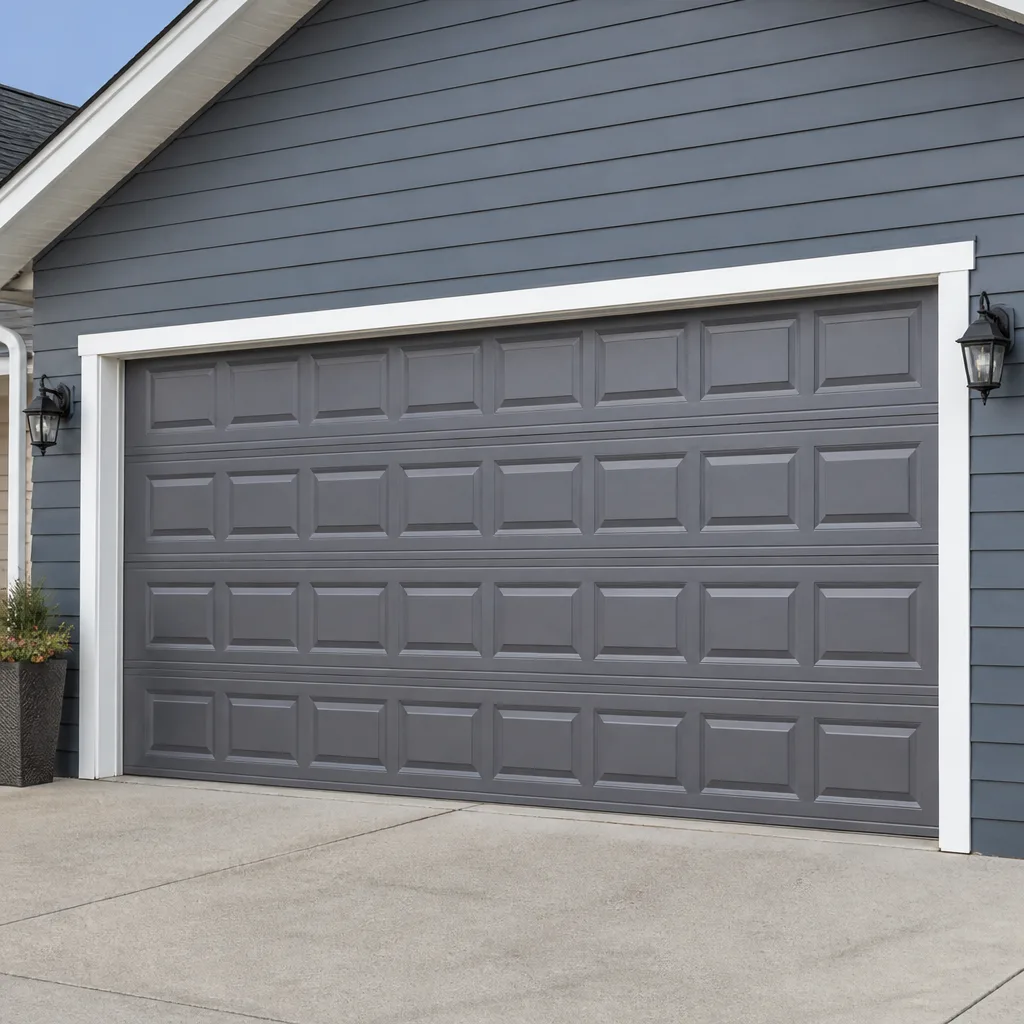 Raised-panel steel
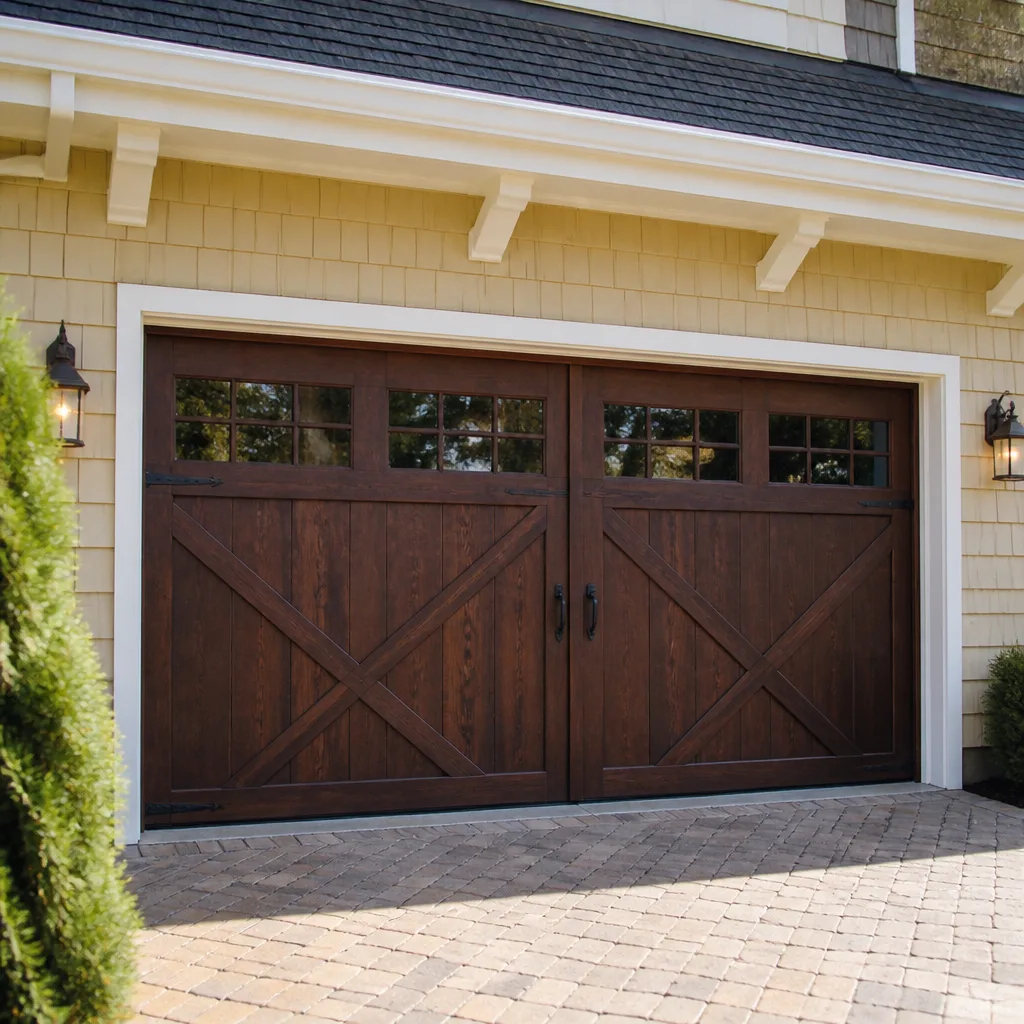 Carriage house
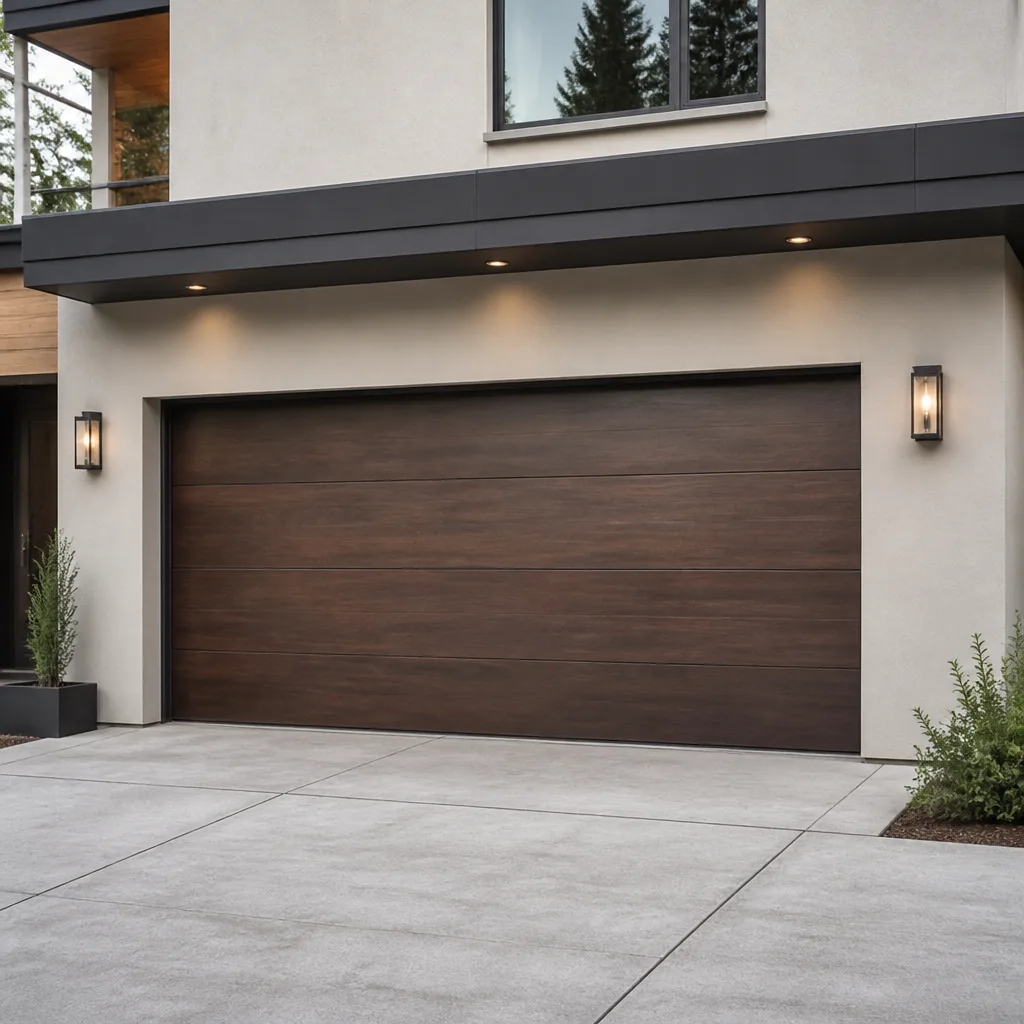 Modern flush
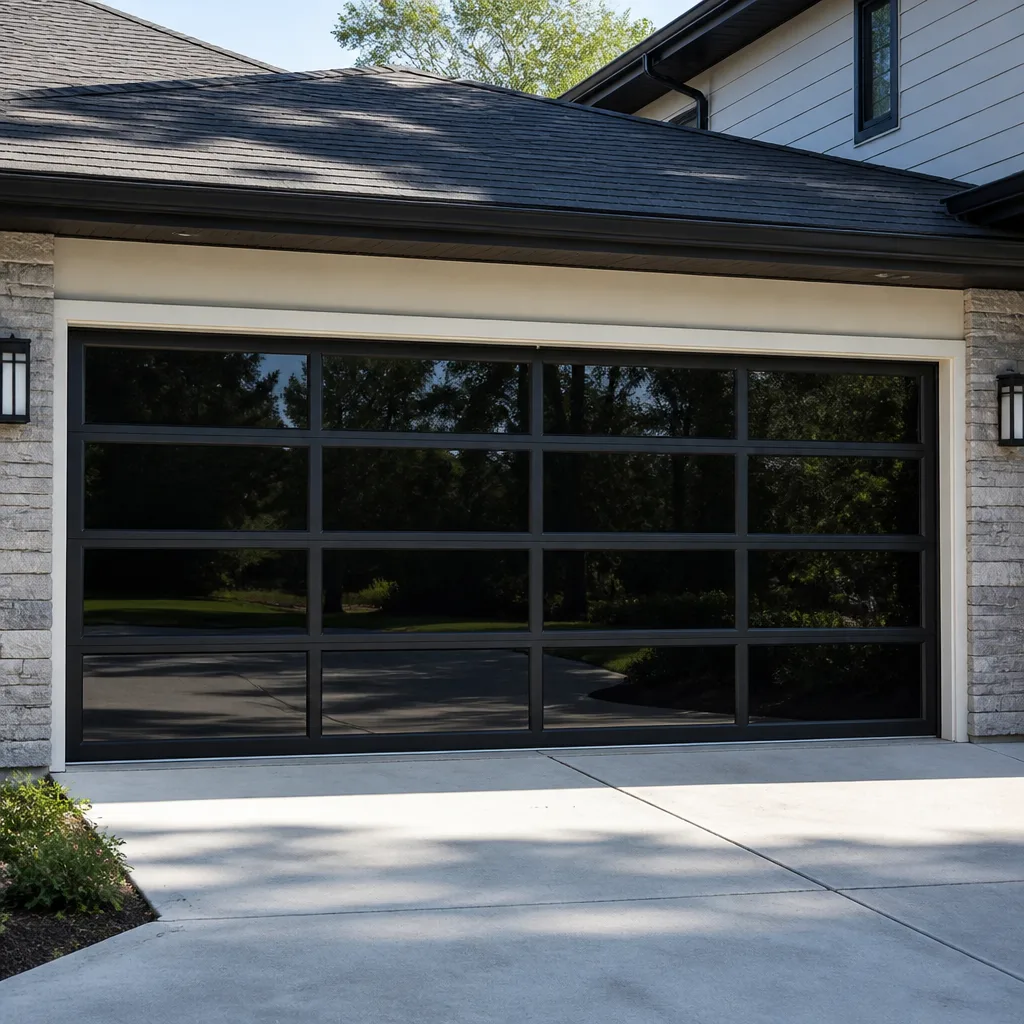 Full-view glass
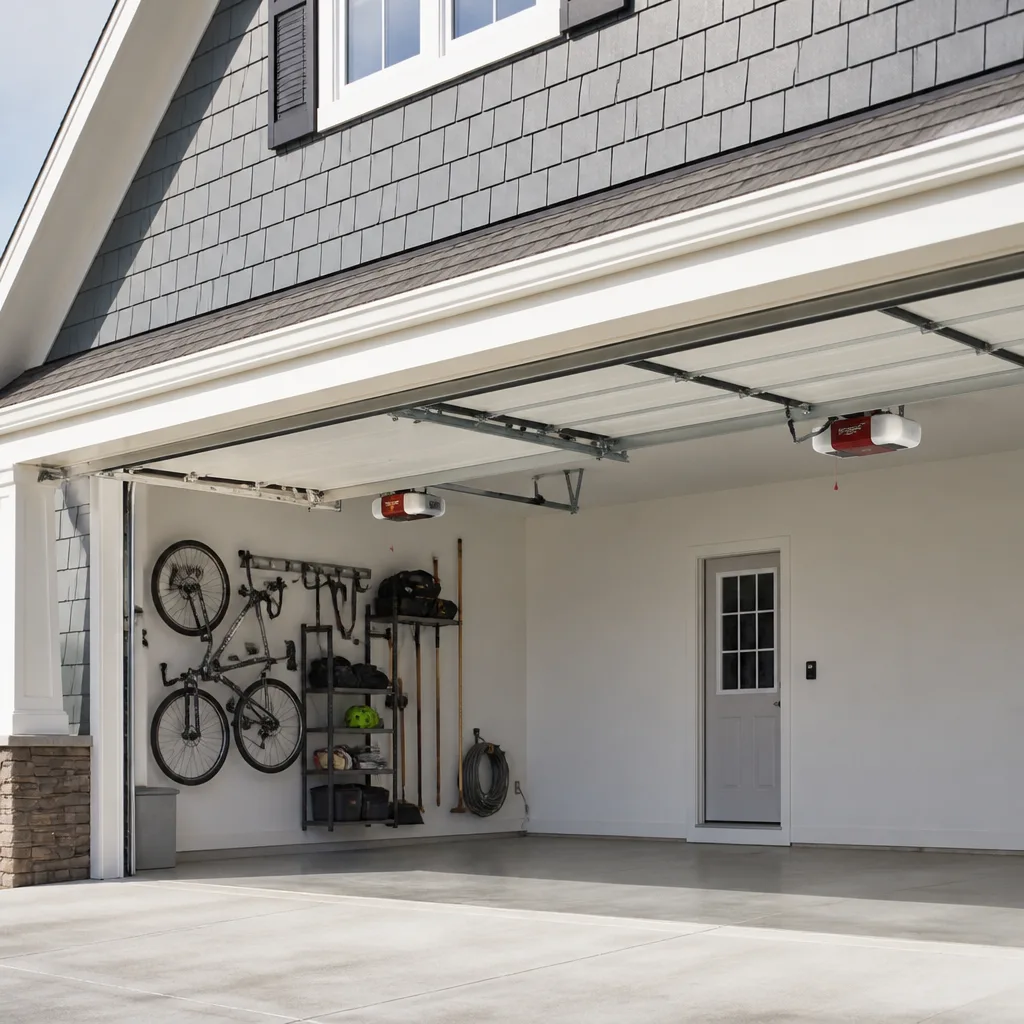 LiftMaster openers
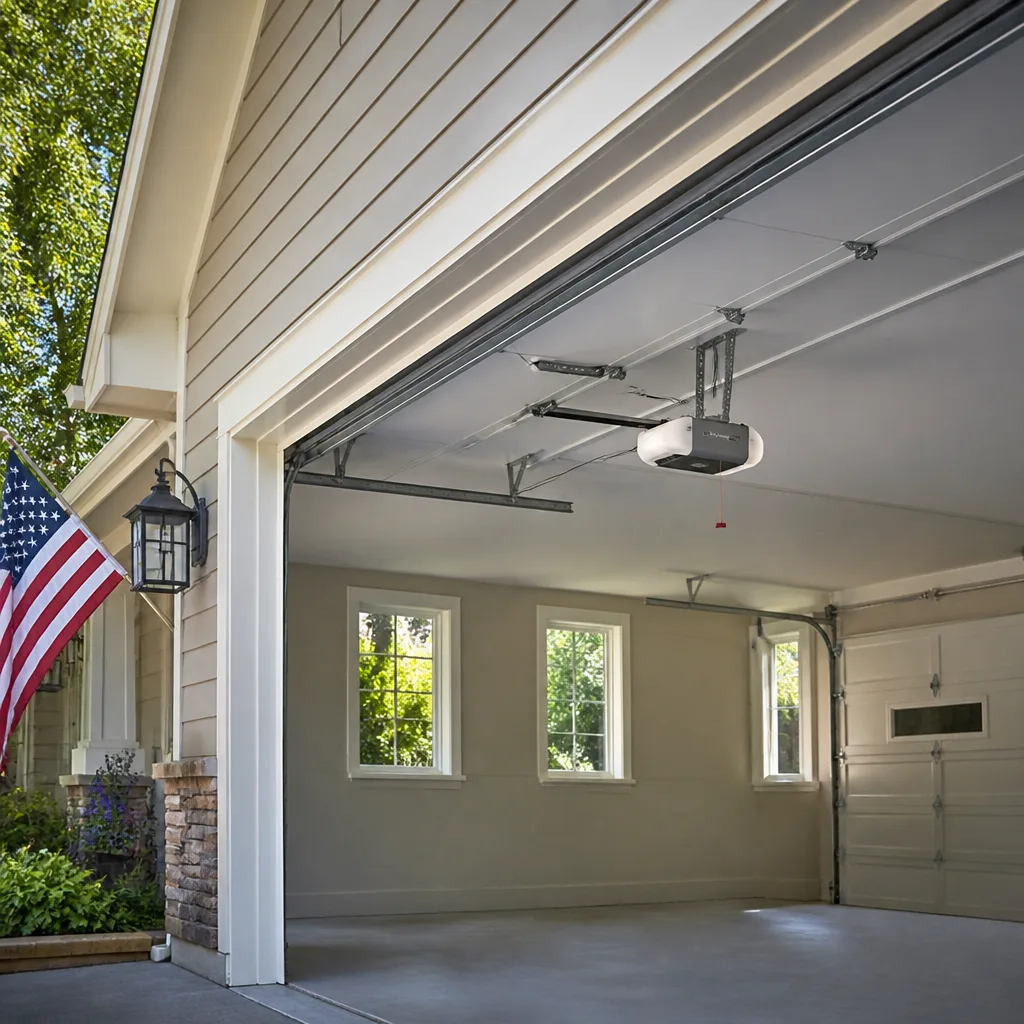 Chamberlain openers
Full 25-point door and opener safety check with every visit - springs, cables, rollers, tracks, and your LiftMaster or Chamberlain opener included
You get a price before we start. It does not change when the pro arrives.
Get your free estimateThe Complete Guide to Garage Doors in Greenwood
Most garage door guides are written for a homeowner in Phoenix or Portland. Greenwood doesn’t work that way. Our humidity swings from sticky July afternoons to dry January air, winter wind chills push steel and wood in opposite directions, and subdivisions like Stones Crossing and Freedom Springs layer HOA style rules on top of everything else. Advice written for a desert climate can be flat wrong here. This guide maps every decision to how a door actually lives in Greenwood, from material choice and freeze-thaw cycles to Johnson County permits, local parts supply, and how to judge a Greenwood company against an Indianapolis one dispatching south.
Quick Answer
A garage door in Greenwood needs a material and finish chosen for freeze-thaw swings, an opener sized to the door’s weight, and a company that can source parts for your specific brand without a week-long wait. Repairs typically get handled quickly, while a full replacement is measured, ordered, and scheduled. The written estimate you agree to before work starts is the price you pay.
Styles & brands we work with
- Raised-panel steel
- Carriage house
- Modern flush
- Full-view glass
- LiftMaster openers
- Chamberlain openers
Table of Contents
- How Greenwood’s Climate Shapes Your Door Choices
- Steel vs. Wood vs. Composite: What Survives Here
- HOA Rules in Greenwood Subdivisions
- Johnson County Permits for Repairs vs. Replacements
- Local Parts Availability on the South Side
- Choosing a Greenwood Company vs. an Indianapolis One
- The Brands Behind Your Door and Opener
- Common Mistakes to Avoid
- When to Call a Professional
How Greenwood’s Climate Shapes Your Door Choices
Greenwood sits in central Indiana, where a single winter can swing from mild, wet days to sub-zero wind chills and back within a week. That freeze-thaw pattern matters more for a garage door than most people realize. Water gets into seams, joints, and the bottom seal, freezes overnight, expands, and works the material loose. Repeat that dozens of times a season and you get the wear that shows up as sticking panels, cracked seals, and a door that no longer sits flush.
The summer side is just as relevant. Greenwood’s humidity is high enough that wood doors swell if they aren’t sealed properly, and steel doors sweat on the inside when the garage stays cooler than the outside air. Both problems are manageable, but they point to different maintenance rhythms and different material choices.
What this means in practice
- Steel doors handle the temperature swings well because the panels move as a unit, but paint and finish need to stay intact to keep moisture out of seams.
- Wood doors look warm and take paint or stain beautifully, but need re-sealing more often in Greenwood’s humidity than in drier climates.
- Composite and faux-wood panels split the difference, resisting moisture better than wood while keeping the look.
- Bottom seals and weatherstripping wear faster here than in mild climates because they flex constantly with the temperature.
None of this is a reason to avoid one material. It’s a reason to match the material to the maintenance you’re willing to do. If you’ll reseal a wood door every couple of years, it holds up fine in Greenwood. If you want to think about it as little as possible, a well-finished steel or composite door is the easier relationship.
Steel vs. Wood vs. Composite: What Survives Here
National guides often push wood for curb appeal and steel for durability, then stop. In Greenwood, the deciding factor is how each material handles moisture and temperature change over a full year, not just how it looks new.
Steel
Steel is the most common choice on Greenwood homes, and for good reason. It’s stable through freeze-thaw cycles, holds its finish, and repairs are straightforward when a panel dents. The insulation layer behind the panel matters more here than the steel itself; a door with a good insulated core keeps the attached garage from swinging as hard with the outside temperature. The catch is that once the paint film breaks, moisture gets into the steel and rust starts at the seams. Touch up chips when you see them.
Wood
Wood is the option that rewards attention. In Greenwood’s humidity, an unsealed wood door swells at the joints in summer and shrinks in winter, and that movement can throw the door out of alignment. A properly sealed wood door with a maintenance coat every couple of years holds up well and looks like nothing else. If you’re not going to keep up with sealing, wood is the wrong pick for this climate.
Composite and faux-wood
Composite panels give you the wood look without the swelling. They’re a strong fit for Greenwood because they shrug off the humidity swings that push wood around, and they don’t rust the way steel can. The trade-off is that composite can be harder to source in specific styles, so lead times on a replacement sometimes run longer than steel.
Insulation is its own decision
If your garage shares a wall with living space or you use it as a workshop, an insulated door is worth the step up. Greenwood winters are cold enough that an uninsulated door lets a lot of heat escape through the panels. If the garage is purely for parking and storage, you can skip the insulation and put the money into hardware and finish instead.
HOA Rules in Greenwood Subdivisions
Greenwood has a lot of newer subdivisions with active homeowner associations, and Stones Crossing and Freedom Springs are good examples of how specific those rules can get. A door replacement that would be perfectly fine on an unincorporated lot can run into an HOA review over panel style, window placement, and color. The good news is you can usually stay compliant without giving up function.
What Greenwood HOAs typically regulate
- Color and finish: Most associations in Greenwood subdivisions keep to a defined palette, often whites, tans, browns, and grays. A custom color usually needs approval.
- Panel style: Raised-panel, carriage-house, and flush styles are the common options, and some associations specify which is allowed on which elevation.
- Window sections: Whether windows are permitted, their shape, and their placement are frequently spelled out.
- Materials: Some associations restrict visible wood or require a particular finish on steel.
- Matching: Many Greenwood HOAs want the replacement to match what the neighborhood already has, which can limit your choices.
How to get compliant without losing function
- Get the current architectural rules from your HOA before you shop, not after. Rules change and the copy you were handed at closing may be out of date.
- Pick your functional upgrades first (insulation, hardware, opener compatibility), then choose the compliant style and color that goes around them.
- Submit the approval request with the exact panel style, color name, and window layout, not a general description.
- Keep the approval in writing. It matters if a future owner or a new board asks questions.
A door that meets the HOA palette can still be insulated, quiet, and built to survive Greenwood’s climate. Compliance limits the look, not the performance.
Johnson County Permits for Repairs vs. Replacements
This is where a lot of Greenwood homeowners get caught off guard. A repair and a full replacement are treated differently, and the line between them isn’t always obvious. The simplest rule: replacing the whole door or changing its structure is the kind of work that usually needs a permit, while swapping a spring, opener, or panel typically does not. Your city’s building department is the authority on the exact requirement for your address, so confirm before the work is scheduled.
Repairs that typically don’t need a permit
- Spring replacement
- Opener repair or replacement
- Panel replacement with a matching size and style
- Roller, hinge, and cable hardware
- Weatherstripping and bottom seals
Work that usually does need a permit
- Full door replacement
- Changing the door’s size or the opening’s framing
- Structural changes to the header or tracks
- Adding a new opening
Permits protect you in two directions. They confirm the work meets current code, and they create a record that matters if you sell the house. A Greenwood company that handles the permit process as part of a replacement estimate is saving you a step you’d otherwise have to sort out yourself. Ask directly whether the permit is included, and get the answer in the written estimate.
If you’re replacing a door and want the repair side explained, our garage door repair page covers what falls on each side of the line.
Local Parts Availability on the South Side
Parts availability is the invisible variable in garage door work. A spring, opener board, or panel that ships in two days turns a one-visit repair into a week of waiting. The Indianapolis south-side corridor, Greenwood included, has decent supply for the most common brands, and knowing which ones have same-day access saves real time.
Brands with reliable local supply
- Amarr: Common on Greenwood homes, and panels and hardware are generally available through the south-side corridor without a long lead time.
- Clopay: Widely stocked, so a Clopay panel or hardware replacement usually moves fast.
- LiftMaster: The most common opener brand we see, and its parts are usually close at hand.
- Chamberlain: Shares much of its platform with LiftMaster, which helps with parts and compatibility.
For less common styles, or for composite doors and carriage-house designs, the lead time stretches. That’s not a reason to avoid them; it’s a reason to plan a replacement around the order window instead of the weekend you hope to have it done.
Why this matters to you
When a technician can source the right part locally, you avoid the “we’ll have to order it” delay and the second visit that comes with it. When the door’s brand isn’t one a company works on regularly, they either source slowly or tell you it’s incompatible. We’re factory-familiar with eight brands, so diagnosis is faster and the part is usually the right one the first time. That range is what lets us handle spring, opener, panel, or full door without sending you to a second company for a different piece of the job.
Choosing a Greenwood Company vs. an Indianapolis One Dispatching South
Both can do good work, but the practical experience differs in ways that matter when your door is stuck open or your car is trapped inside. A Greenwood company knows the local housing stock, the HOA landscape, and the parts supply on the south side. An Indianapolis company dispatching south may be excellent, but you’re at the end of their route, and that changes response time and accountability.
Questions that separate a local fit from a distant one
- How quickly can someone get to Greenwood? Ask how they handle a call from this side of the county, not their general service area.
- Which brands do you regularly work on? If your door is Amarr or Clopay and they hesitate, that’s your answer.
- Who handles the Johnson County permit? A company that knows the process saves you the phone calls.
- Is the estimate written and agreed before work starts? This is the single most important question for any job.
- Can they cover the whole job? A company that handles repair and installation means no second truck for a different scope.
Response time is the obvious difference, and it matters most in an emergency. A garage door that won’t close leaves the house open, and a door that won’t open traps the car. The gap between a company that’s already in the Greenwood area and one driving down from the north side can be the difference between a quick fix and a long wait. Accountability is the quieter difference. A company working regularly in Greenwood has a local reputation to protect and a reason to make the follow-up right.
The Brands Behind Your Door and Opener
Most garage door problems get easier once you know exactly what you’re working with. The door and the opener are separate systems from separate manufacturers, and a mismatch between them causes a surprising share of the trouble we see in Greenwood.
The eight brands we work on
We service products from LiftMaster, Chamberlain, Genie, Clopay, Amarr, Wayne Dalton, Craftsman, and Raynor. Each brand has its own quirks in springs, panels, and opener logic, and knowing those quirks is what turns a guess into a diagnosis. For example, a Genie opener paired with a heavier Clopay door can strain the motor if the spring tension drifts, and a Chamberlain or LiftMaster unit with a failing travel limit behaves differently from a Craftsman of a similar age.
Door brands vs. opener brands
- Door manufacturers: Clopay, Amarr, Wayne Dalton, and Raynor are the names you’ll see on the panels and hardware.
- Opener manufacturers: LiftMaster, Chamberlain, Genie, and Craftsman dominate the openers on Greenwood homes.
- Smart-home compatibility: The popular opener brands are the ones most likely to integrate with a home system, which is worth checking before you replace one.
If your opener brand isn’t on the list, that doesn’t mean it’s unfixable. It means you should ask before you book, so a technician arrives prepared rather than telling you on site that the unit is “incompatible.” That deflection is common, and it usually means the company doesn’t have the parts or the experience for that system.
Common Mistakes to Avoid
- Skipping the HOA check before you order. In Stones Crossing, Freedom Springs, and other Greenwood subdivisions, buying a door before reading the rules can mean paying for a style you can’t install. Get the architectural approval first, then order.
- Choosing a material by looks alone. A wood door that needs resealing every couple of years is a poor fit for a Greenwood homeowner who wants a low-maintenance door. Match the material to the climate and your willingness to maintain it.
- Assuming a repair and a replacement follow the same permit rules. A full door replacement usually needs a permit in Johnson County while a spring swap typically doesn’t; confirm with the building department for your address.
- Ignoring a small dent or a chipped finish. In Greenwood’s freeze-thaw cycles, an exposed steel edge rusts faster than you’d expect. Touch it up before the season turns.
- Letting a company talk you out of your opener brand. Being told your Genie or Chamberlain unit is “incompatible” is usually a sign the company doesn’t carry the parts. Ask which brands they work on before booking.
- Booking a replacement as if it’s a same-day repair. A new door is measured, ordered, and scheduled. Plan around the order window rather than assuming it happens in one visit.
- Not getting the price in writing before work starts. The written estimate you agree to is the price you pay. If a company won’t put it in writing, that’s the answer you need.
When to Call a Professional
Some things are routine maintenance. Others are a hard stop where a professional needs to take over. Call a professional when a spring breaks (a loud snap followed by a door that won’t lift), when the door comes off its tracks or hangs crooked, when the opener runs but the door doesn’t move, when cables are frayed or hanging loose, or when the door won’t close all the way and leaves the house open. A broken spring and a loose cable are both under serious tension, and that’s not a job to take on with hand tools; the tension can release with enough force to cause serious injury. A trained technician has the right tools and the knowledge to release and replace the tension safely.
If you’re weighing a repair against a full replacement, our garage door spring repair and garage door opener repair pages break down what each covers. Greenwood Garage Door Repair Co offers free estimates in Greenwood and can work with your insurer where a claim is involved. Call (855) 773-4548 to set up an estimate, and the price is quoted and agreed before any work starts.
Our technicians have up to 12 years of experience, and emergency service is available because a stuck or broken door is a security and access problem, not a nine-to-five inconvenience.
See the difference
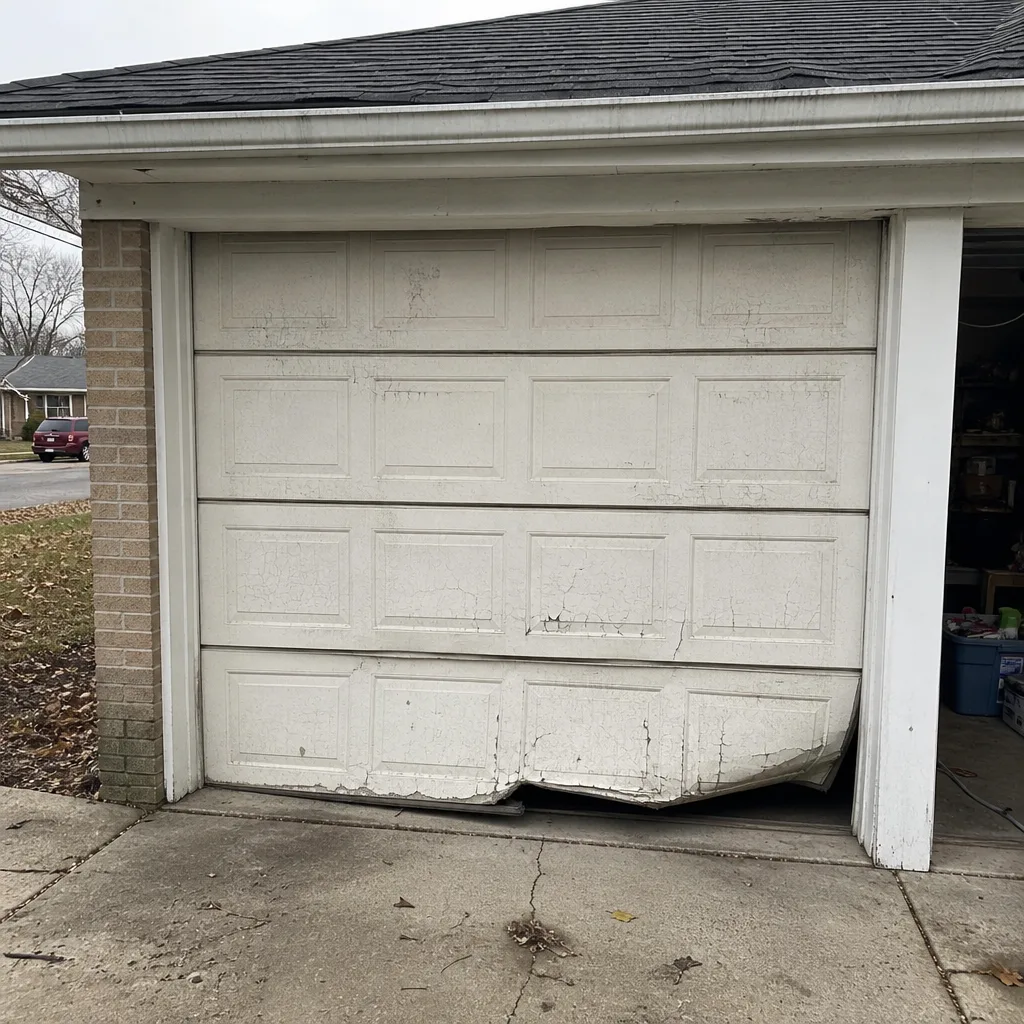 Before
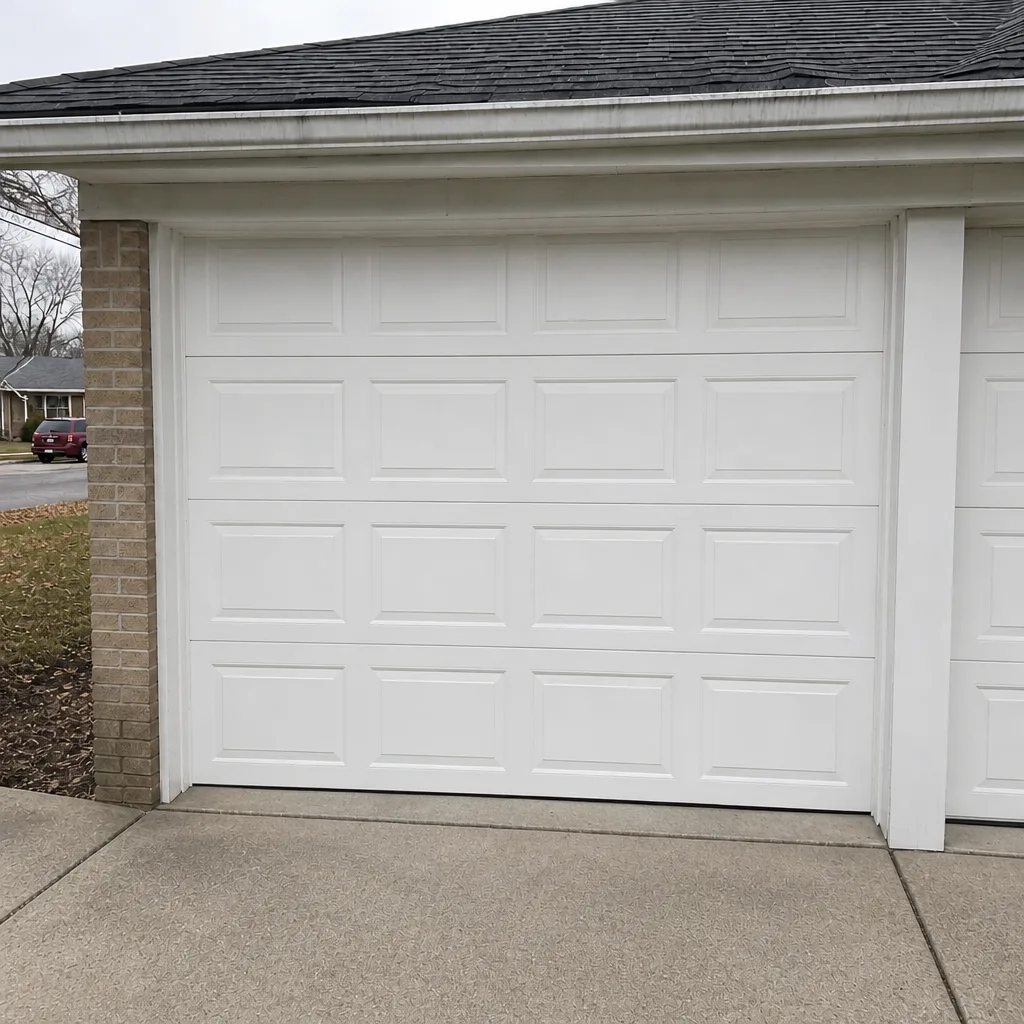 After
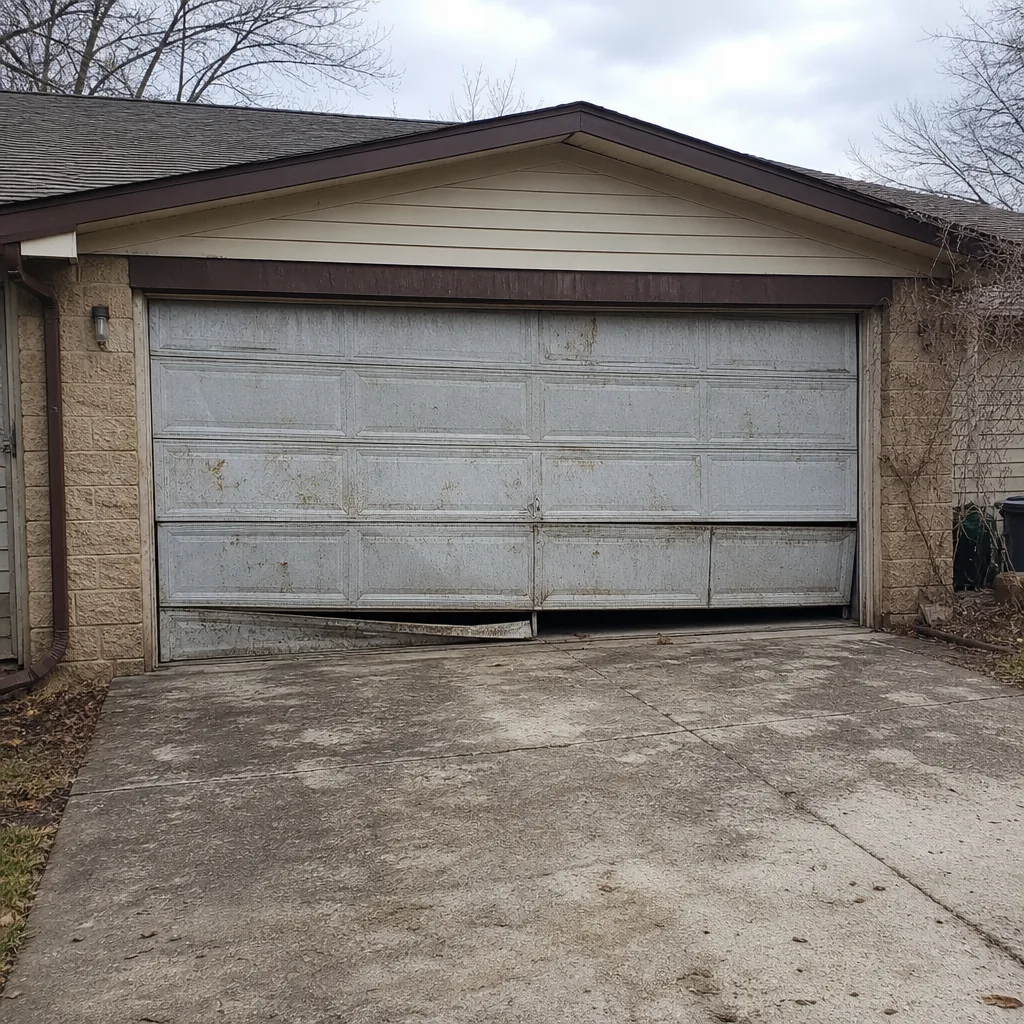 Before
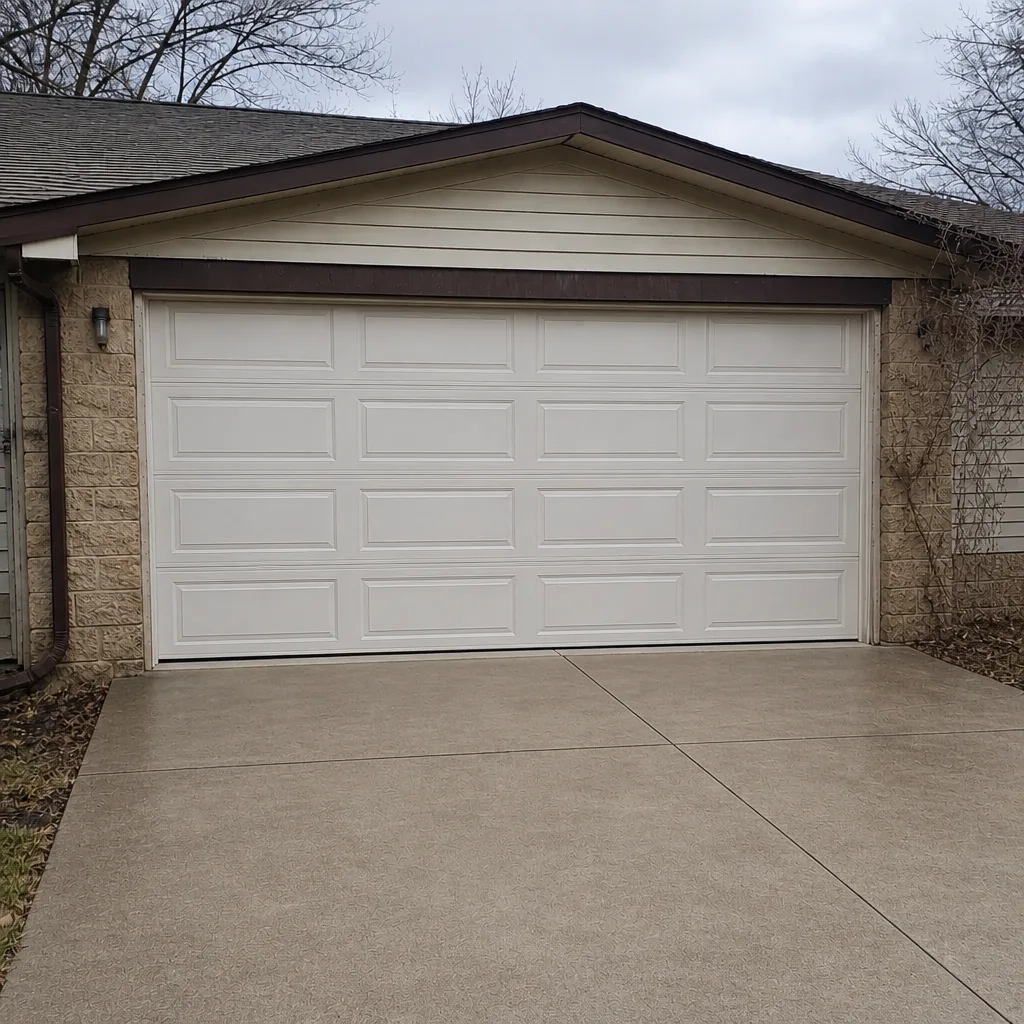 After
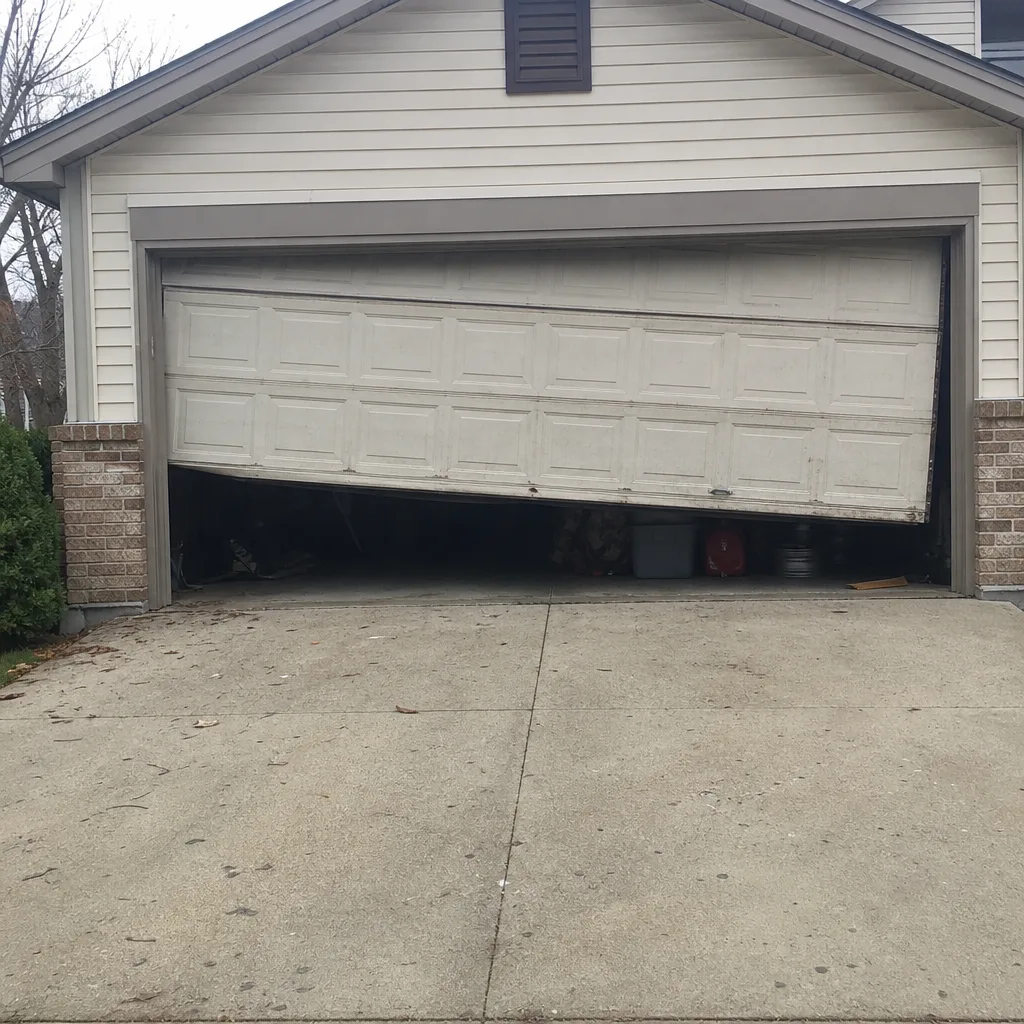 Before
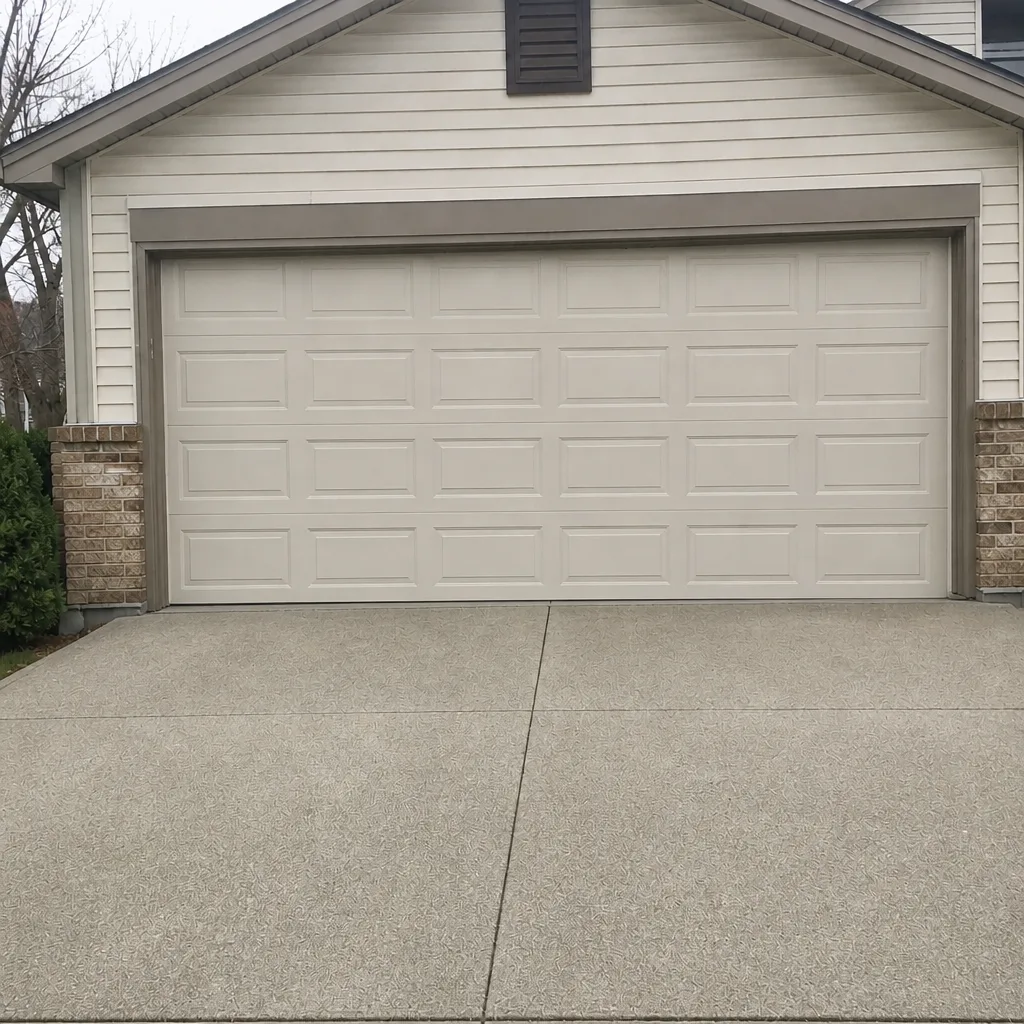 After
Frequently Asked Questions
Spring repair in Greenwood typically runs in the low-to-mid hundreds for a single spring, with a matched pair replaced together costing about twice that. The written estimate you agree to before work starts sets the final price. Call (855) 773-4548 for an exact quote, since estimates are free.
Emergency garage door service is available for situations where a malfunctioning door creates an immediate security or access problem. Call (855) 773-4548 and we’ll get you on the schedule as quickly as we can. A spring, opener, or cable that has failed is exactly the kind of call this covers.
A full door replacement usually requires a permit, while a repair like a spring swap or opener fix typically does not. Your city’s building department is the authority for your specific address, so confirm the requirement before the work is scheduled. A company that includes the permit in the estimate saves you the step.
Often yes. A matching Clopay panel can usually be replaced on its own if the style is still available, which keeps the cost and the lead time down. The panel needs to match size and style, so a technician confirms the exact model before ordering.
No. The price is quoted and agreed before any work starts, so the written estimate is what you pay for the agreed job. If a technician finds additional work during the job, they’ll explain it and get your approval before doing anything that changes the price.
The local professionals we connect you with are licensed and insured as their state requires, and they’re vetted before we send them. If you have a question about insurance or a specific credential, ask when you book. Call (855) 773-4548 for a free estimate.
The Bottom Line
A garage door in Greenwood has to survive freeze-thaw cycles, humid summers, and HOA rules that older guides never mention. Pick the material for this climate (steel and composite are the low-maintenance picks, wood rewards regular sealing). Check your subdivision’s rules before you order, and confirm the Johnson County permit question for a full replacement. Know your door and opener brands so parts get sourced quickly on the south side. And when you choose a company, favor one working regularly in Greenwood over one dispatching down from Indianapolis, especially for an emergency. Get the price in writing, agreed before work starts. Call (855) 773-4548 for a free estimate from Greenwood Garage Door Repair Co.
Written by the team at Greenwood Garage Door Repair Co.