Last updated November 21, 2026
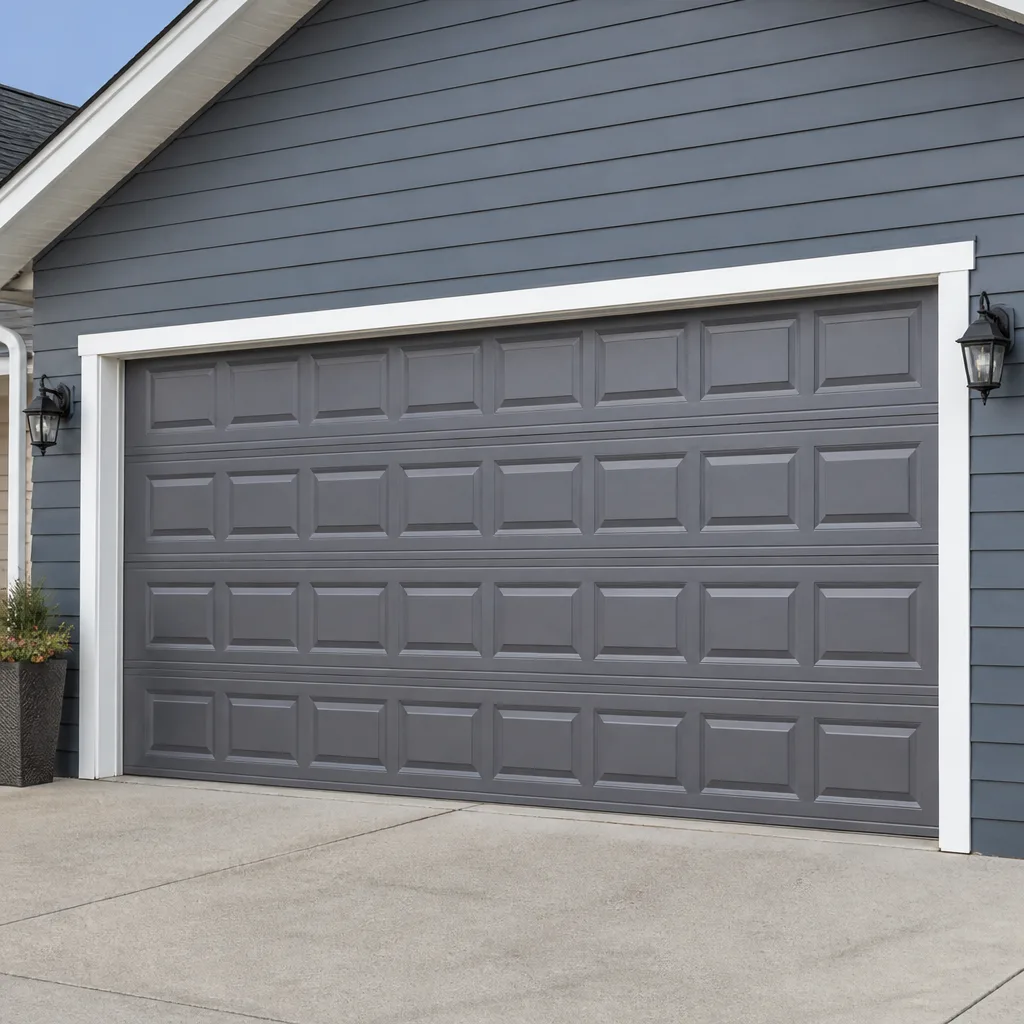 Raised-panel steel
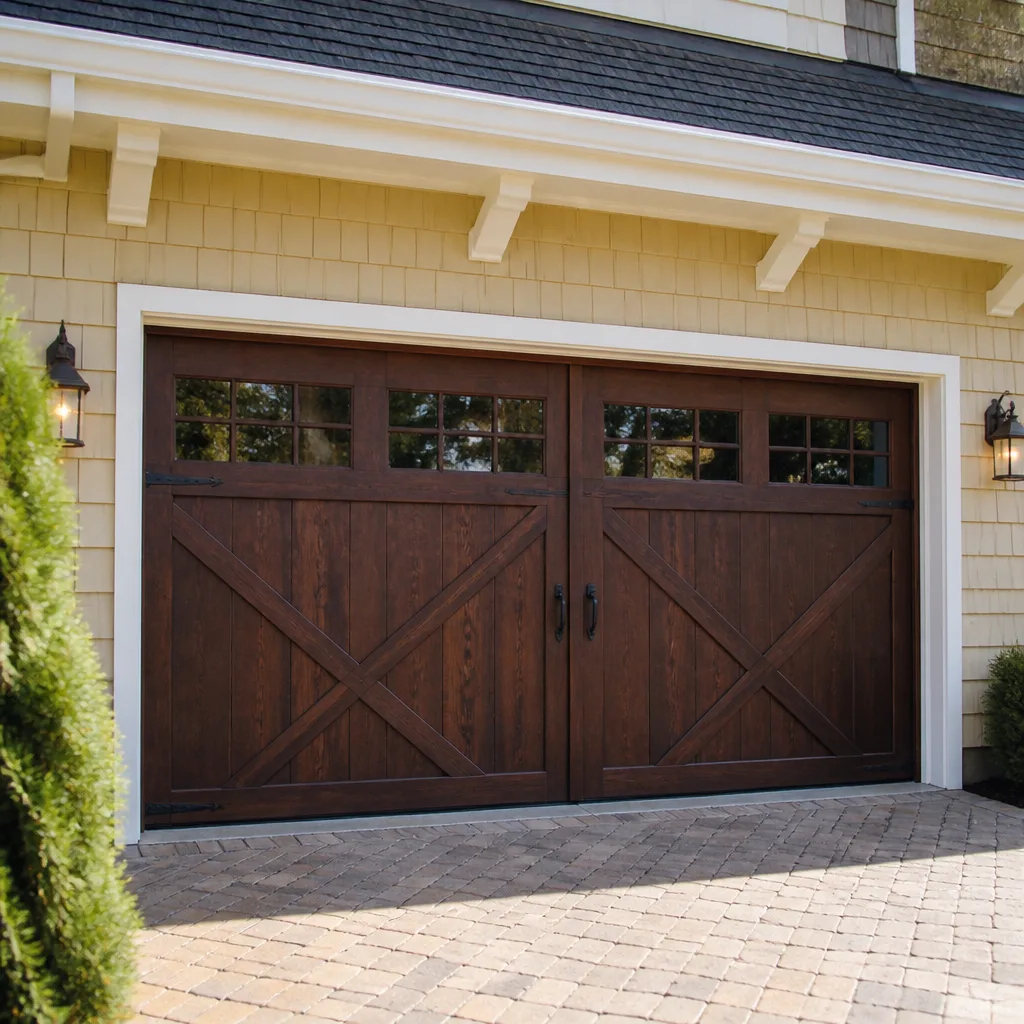 Carriage house
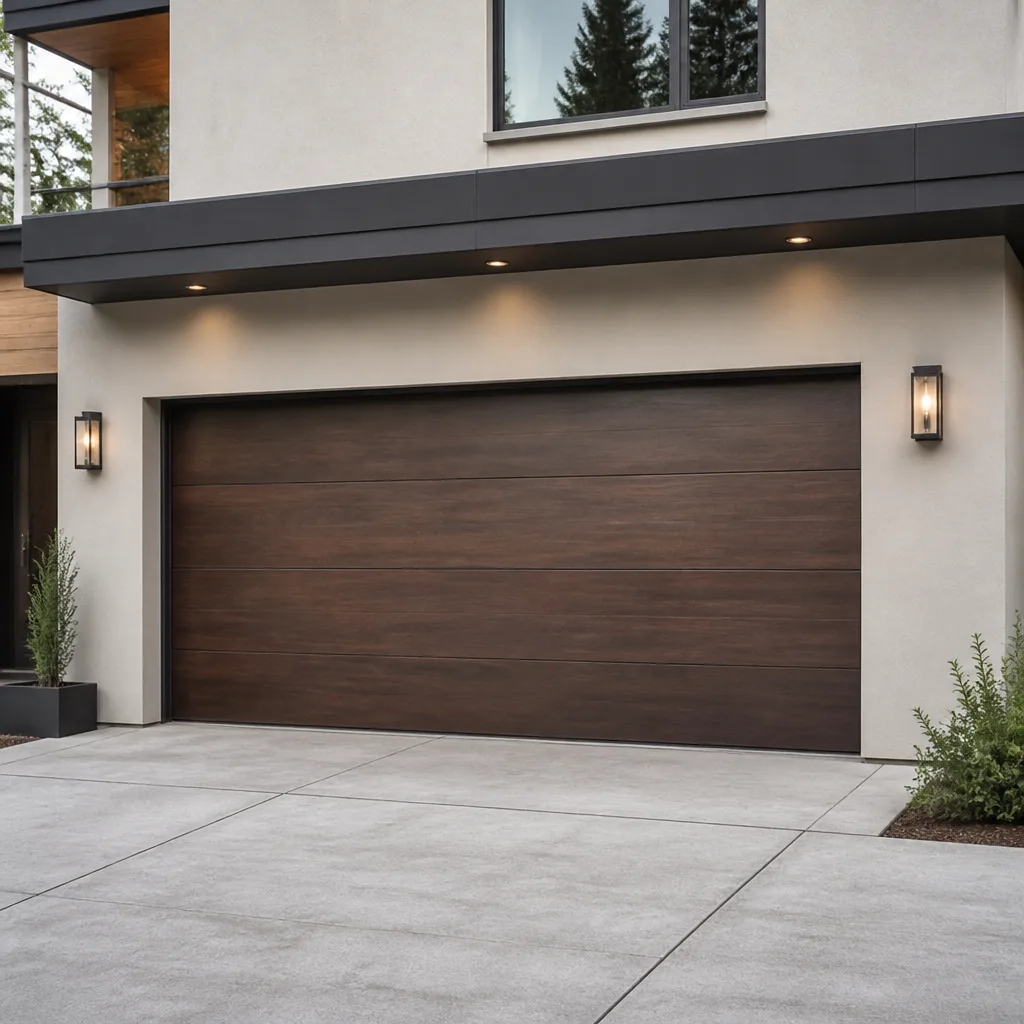 Modern flush
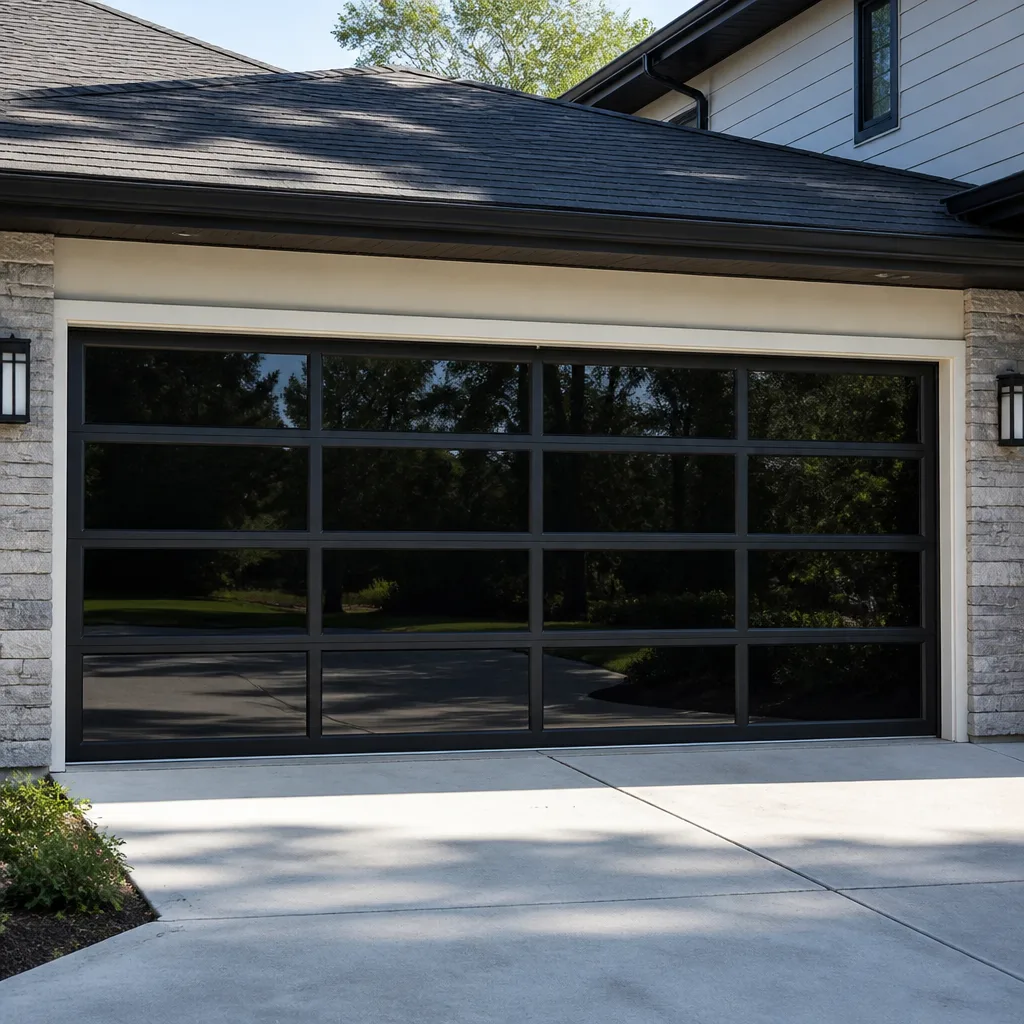 Full-view glass
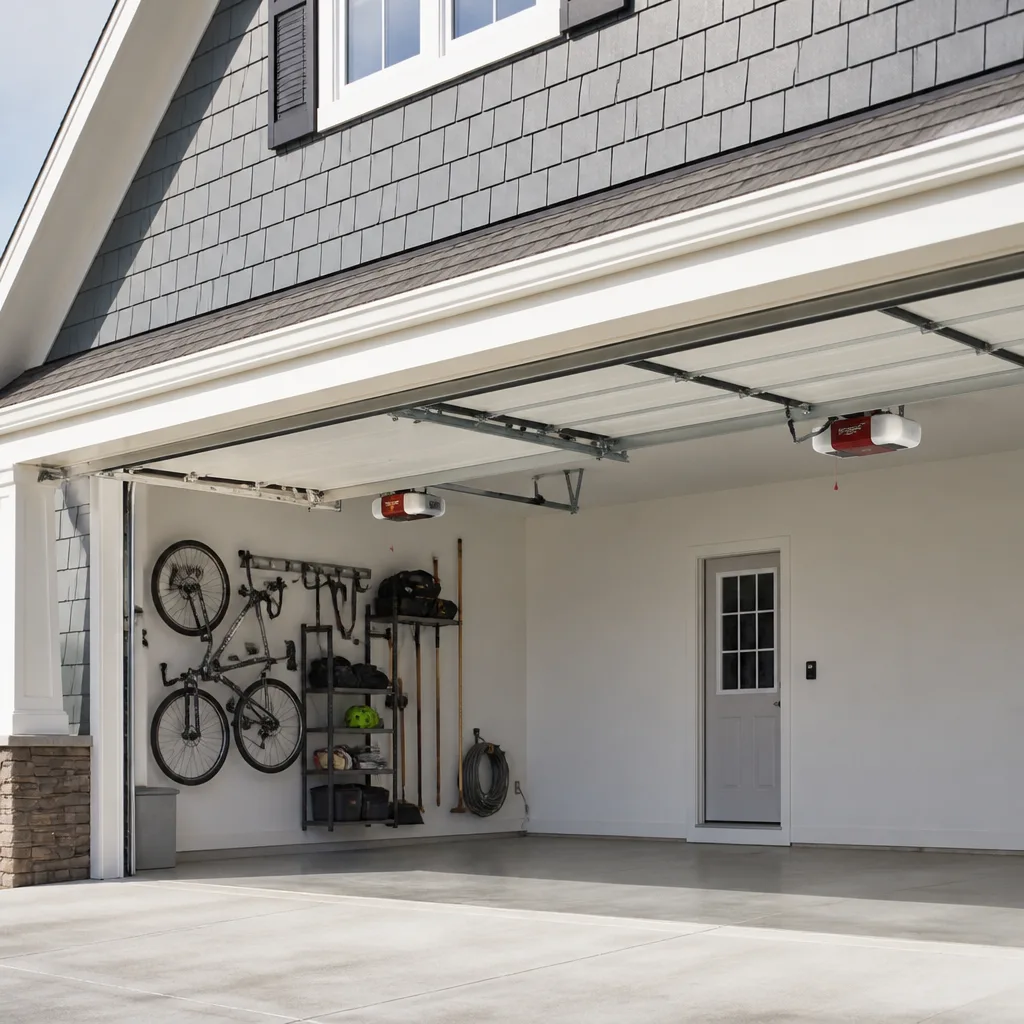 LiftMaster openers
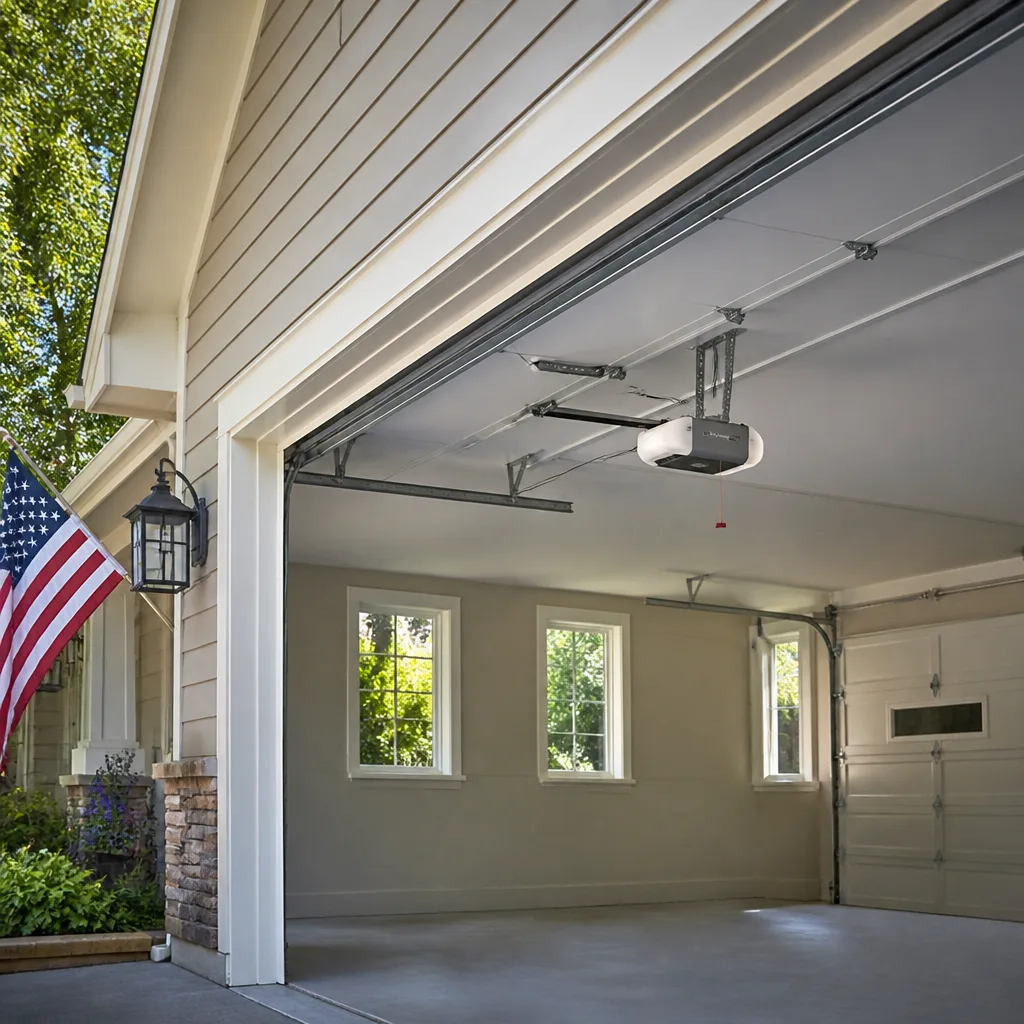 Chamberlain openers
Full 25-point door and opener safety check with every visit - springs, cables, rollers, tracks, and your LiftMaster or Chamberlain opener included
You get a price before we start. It does not change when the pro arrives.
Get your free estimateDIY vs Professional Garage Door: The Greenwood Homeowner’s Decision Guide
Torsion spring replacement hurts and kills people in the United States every year. Not because homeowners are careless, but because a fully wound spring stores enough energy to send a winding bar through a wall, a windshield, or a hand before you register that the tool slipped. That single fact makes the garage door one of the most misunderstood systems in a Greenwood house. People see hinges and rollers and assume it belongs on the same shelf as a squeaky cabinet door. It doesn’t. Some jobs on that door are genuinely suited to a Saturday afternoon with a socket set. Others are a fast way to a hospital visit or a door that drops off its tracks. This guide separates the two with no hedging, so you can decide in minutes instead of reading five pages that all end with “it depends.”
Quick Answer
In Greenwood, two garage door tasks are genuinely safe and worth doing yourself: replacing the bottom weather seal and swapping an exterior handle or lock. Everything else that involves springs, cables, torsion bars, the door itself, or the opener’s internal workings should go to a trained technician. The dividing line isn’t difficulty. It’s stored energy, specialty tooling, and what happens to your homeowner’s coverage if an unpermitted structural change goes wrong later.
Styles & brands we work with
- Raised-panel steel
- Carriage house
- Modern flush
- Full-view glass
- LiftMaster openers
- Chamberlain openers
Table of Contents
- The Direct Answer: A DIY vs. Call-a-Tech Chart
- The Tool Cost Reality Check
- Why Springs and Cables Are Never a DIY Job
- Opener Work: Where DIY Usually Stalls
- Indiana Liability and Your Insurance
- The Two Tasks Worth Doing Yourself
- How to Be a Smart Bystander During a Repair
- How Greenwood Conditions Shape the Decision
The Direct Answer: A DIY vs. Call-a-Tech Chart
Here’s the decision without the usual throat-clearing. If a task appears in the left column, we’re comfortable telling a Greenwood homeowner to handle it. If it’s on the right, we’re not, and no amount of YouTube confidence changes the reasoning behind it.
- Replace the bottom weather seal – DIY. Low energy, no tension, a few hand tools.
- Swap an exterior handle or lock – DIY. Cosmetic and mechanical, nothing under load.
- Lubricate hinges, rollers, and tracks – DIY. Routine upkeep with a can of lubricant.
- Tighten loose hinge and bracket bolts – DIY. Straightforward when the door is fully closed.
- Replace torsion or extension springs – Call a technician. Extreme stored energy, high injury risk.
- Replace lift cables – Call a technician. Cables carry the door’s weight and can whip.
- Adjust or rebalance the torsion system – Call a technician. Wrong tension damages the door or the opener.
- Replace a broken section or panel – Call a technician. Alignment and weight distribution matter.
- Install a new opener or change the rail and drive – Call a technician. Electrical work and spring-to-motor matching.
- Replace a bent track or re-set a door that jumped its track – Call a technician. The door can come down.
- Full door replacement – Call a technician. Measuring, anchoring, and tensioning a whole system.
We’ve seen Greenwood homeowners save real money on the left column and spend a lot more than they budgeted on the right. The reasoning behind each call-out is explained below.
The Tool Cost Reality Check
Some tasks look simple until you price the tool the job actually needs. Winding bars for a torsion spring run well north of $200 as a specialty item, and a good set of winding bars isn’t the same thing as a socket set you already own. A technician carries those tools on the call, so the cost of a spring repair already covers the equipment. On your own, you’d buy the bars, use them once, and then store them for a repair you should never attempt twice.
The tool gap extends further than springs. Torque wrenches sized for door hardware, cable-grip tools, proper ladder staging, and a digital manometer to check tension all add up. None of them are unreasonable purchases individually. Together, they cost more than the labor on the repairs that use them. That’s before counting the time you’d spend learning what a properly tensioned spring even feels like.
There’s a second cost most guides skip: the wrong tool used on the wrong part. A stripping wrench or an undersized bar bends a component that was fine to begin with. Now you’re paying for the part you broke plus the original repair. In our experience, the tool argument usually ends with the homeowner hiring out the job and buying the right tool only for their weatherstripping.
Why Springs and Cables Are Never a DIY Job
A torsion spring is a coiled store of energy held in check by two set screws. When you wind it, you’re loading that energy against your own tool. When you unwind a spring that’s been sitting under load, the tool is the only thing between you and a piece of steel moving fast. That’s the physics behind the injury reports. It’s also why every honest garage door professional treats spring work as a specialized job with its own training and equipment, not a general-purpose repair.
Cables are a lesser-known hazard. They run from the bottom of the door up to a drum and hold the door’s weight on a thin steel strand. When a cable snaps or slips its drum, the door can crash or the cable can whip. A cable replacement usually pairs with a spring repair because both live under the same load, and touching one without addressing the other sets up a repeat failure.
What we can explain without encouraging anyone to try it at home is how a technician approaches the job. Springs are matched to the door’s weight, not to the old spring’s dimensions. Cables are routed, tensioned, and tested under load. The door is run up and down multiple times to confirm it balances before the truck leaves. If a door in a Greenwood home feels heavy on the way up or slams on the way down, that’s a sign the balance is off, and it’s the moment to stop using the door and call for a diagnosis. Our garage door spring repair service exists precisely because so many homeowners start this job themselves and then lose their nerve, which is the right instinct.
Opener Work: Where DIY Usually Stalls
Opener repairs sit in a strange middle ground. Replacing a wall remote or re-pairing a keypad is genuinely easy. Replacing the opener itself, or chasing a logic board fault, is not. The reason is that a modern opener isn’t just a motor. It’s a controller with limit switches, force settings, safety-reversal testing, and often a Wi-Fi or smart-home module that has to be paired with an app. One wrong limit switch adjustment and the door closes on a car or a person.
We work on the biggest names in openers, including Genie, along with LiftMaster, Chamberlain, and Craftsman, so the brand rarely turns into a dead end. A lot of Greenwood homeowners are told by less-prepared companies that a unit is “incompatible” when the real issue is that the technician doesn’t carry the correct board or remote. That problem disappears when repair, opener work, and installation all come from the same source. Our garage door opener repair team can take a stuck or erratic opener from a frustrating guess to a confirmed diagnosis on the same visit.
For a homeowner, the practical rule is this: if the repair involves getting the opener out of its bracket, running new wiring, or testing the safety reverse, hire it out. If it involves a remote or keypad, that’s yours.
Indiana Liability and Your Insurance
Here’s the part most DIY guides never mention. Homeowner’s insurance covers sudden accidental damage, not a claim you created by modifying a structural system without a permit or a record of doing it correctly. Garage door installation and structural repair in most Indiana municipalities require a permit, and a homeowner who skips it is left holding a door that the code officer never signed off on. That becomes a problem when a future claim touches the same system. The insurer’s question won’t be whether you’re a handy person. It will be whether the work was permitted and inspected.
There’s also a liability side. If a door falls and damages a vehicle, or if a future buyer is injured on a door that was never put back together correctly, the trail leads back to whoever did the work. That’s a reason to keep a paper trail for any repair that touches the door’s structural parts, and a reason not to skip a professional install on a full replacement. When a licensed pro handles the job, the paperwork is theirs. You get a clean record and a warranty behind the work. If you want to check what your own city’s building department requires for garage door work, that’s a five-minute phone call and worth making before you start any structural project.
We’ve watched this play out more than once, and the pattern is consistent: a DIY spring job that seemed to go fine doesn’t get documented, and the homeowner’s insurance question arrives years later. On a new door in a Greenwood home, the safest route is the boring one. Get the permit, get the paperwork, keep the receipt.
The Two Tasks Worth Doing Yourself
Here’s where we come out in favor of the homeowner. Two jobs are genuinely worth taking on, and both are jobs a person with ordinary tools can finish without a special purchase.
1. Bottom Weather Seal Replacement
- Open the door and look at the underside of the bottom section. There’s a rubber or vinyl seal tracked onto it, usually held in a groove or clipped on.
- Measure the door’s width so you buy the right length. For a standard single door that’s an easy measurement, and a roll of replacement seal is inexpensive.
- Pull the old seal out of its track and clean the channel with a shop rag and a little soapy water.
- Feed the new seal across the bottom, working from one end to the other, so it seats fully without bunching.
- Close the door and check the seal against the concrete. A small, even gap in Greenwood is expected as the slab settles; a large gap means the seal isn’t seated properly.
A Clopay or Amarr bottom section will take a universal replacement seal fine, and the job takes under an hour. It’s the single best DIY repair on a garage door because you’re only touching a flexible strip under no load.
2. Exterior Handle and Lock Swap
Replacing a pull handle or lock on a manual door is a screwdriver job. The lock mechanism sits in the door face and connects to a cable or rod that lifts the inside latch. When you replace it, take a photo of the connection points before you take the old one off, then match the new hardware’s throw to the old hardware’s throw so the latch engages fully. For a door with a Wayne Dalton or similar traditional handle, this is a 20-minute swap. If your door has an automatic opener, an exterior handle is decorative and doesn’t need to be replaced for function.
That’s the DIY list. Everything else on the door belongs to a technician who’s set up for it.
How to Be a Smart Bystander During a Repair
The most useful thing you can do when a technician is at your Greenwood home isn’t to hand them tools. It’s to watch and ask, because the next small repair on that door is probably yours. A good technician will happily narrate what they’re doing if you ask. Treat it as a crash course, not a supervised lesson.
- Ask what the problem actually is. “The door won’t open” describes a symptom. The technician can tell you the cause, and that knowledge saves you a future call.
- Watch where they test the door. Balance checks and safety-reverse tests are the two most important steps in any repair, and seeing them done once makes them recognizable.
- Ask what you can maintain yourself. Lubrication, weatherstripping, and tightening visible bolts are all within reach. Ask for the short list on your specific door.
- Request the part names in writing. If a spring, cable, or opener component is replaced, the make and model on the invoice helps you match parts next time.
- Stay out of the danger zone. When the technician is winding a spring or working overhead, stand back and don’t try to help. The tools are theirs and the risk is theirs.
By the end of one visit, most Greenwood homeowners can handle their own lubrication and weather seal and know exactly when to call for the rest. That’s a better long-term outcome than a door that sits half-fixed because the owner is afraid to touch it.
How Greenwood Conditions Shape the Decision
The specific weather and lot conditions in Greenwood shift a few of these decisions. Our area sees real seasonal swings: wet springs that swell and soften wood, humid summers, and cold stretches that stiffen rubber and make an out-of-balance door more noticeable. The practical effect is that weather seals wear faster here than in a dry climate, which is why we rank the bottom seal so highly as a DIY job. Doing it yourself is cheaper and easier than paying for a call when the only issue is a worn strip.
Second factor: a lot of Greenwood homes have detached or attached single-bay garages where the door is the main entry. When that door fails, the house is effectively locked from the vehicle side. That raises the stakes on the repairs that need a technician, because you can’t put them off. If you’re in a situation like that, our garage door repair team can diagnose the door and get you back to a working entry.
Third, neighborhoods with older housing stock tend to have doors that were installed decades ago and have been repaired a few times. Springs and openers on those doors are more likely to be mismatched or half-replaced. A technician who knows the manufacturer can spot that faster, which matters more in an older garage than a newer one. If any repair turns into a full replacement, our Greenwood Garage Door Repair Co team handles measure, quote, and install, so there’s no second company to call. That’s the single-company span from a broken spring to a brand-new door in one place.
Common Mistakes to Avoid
- Winding a torsion spring without winding bars. Screwdrivers and pliers slip. The gap between “it seemed fine” and a serious injury is a fraction of an inch on this job.
- Replacing one spring when the pair is matched. Springs are manufactured as a matched pair on a two-spring door. Replacing one and leaving the other leaves the door unbalanced, and it will wear the new spring out early.
- Buying the cheapest weather seal. A thin vinyl strip will crack within a season in Indiana’s humidity and cold, and you’ll be back under the door again. Spend a few dollars more on a rubber seal.
- Skipping the permit on a new door. Most Indiana municipalities require a permit for structural garage door work. A Greenwood homeowner who skips it has an unpermitted system if the house is ever inspected or sold.
- Adjusting the opener’s force setting to “fix” a sticky door. Troubleshooting by cranking the force limit hides the real problem and stresses the opener. If the door feels heavy, the door needs attention, not more force.
- Storing tools or fuel in the door’s path. A safety-reverse test that catches a broom works. A test with a car in the door’s path doesn’t, and owners who don’t clear the path never catch a failing safety sensor.
- Treating a bent track as a cosmetic issue. A bent vertical track looks minor, but the door rides on it every cycle, and a wheel can pop out with the door up. That’s a technician call, not a hammer fix.
See the difference
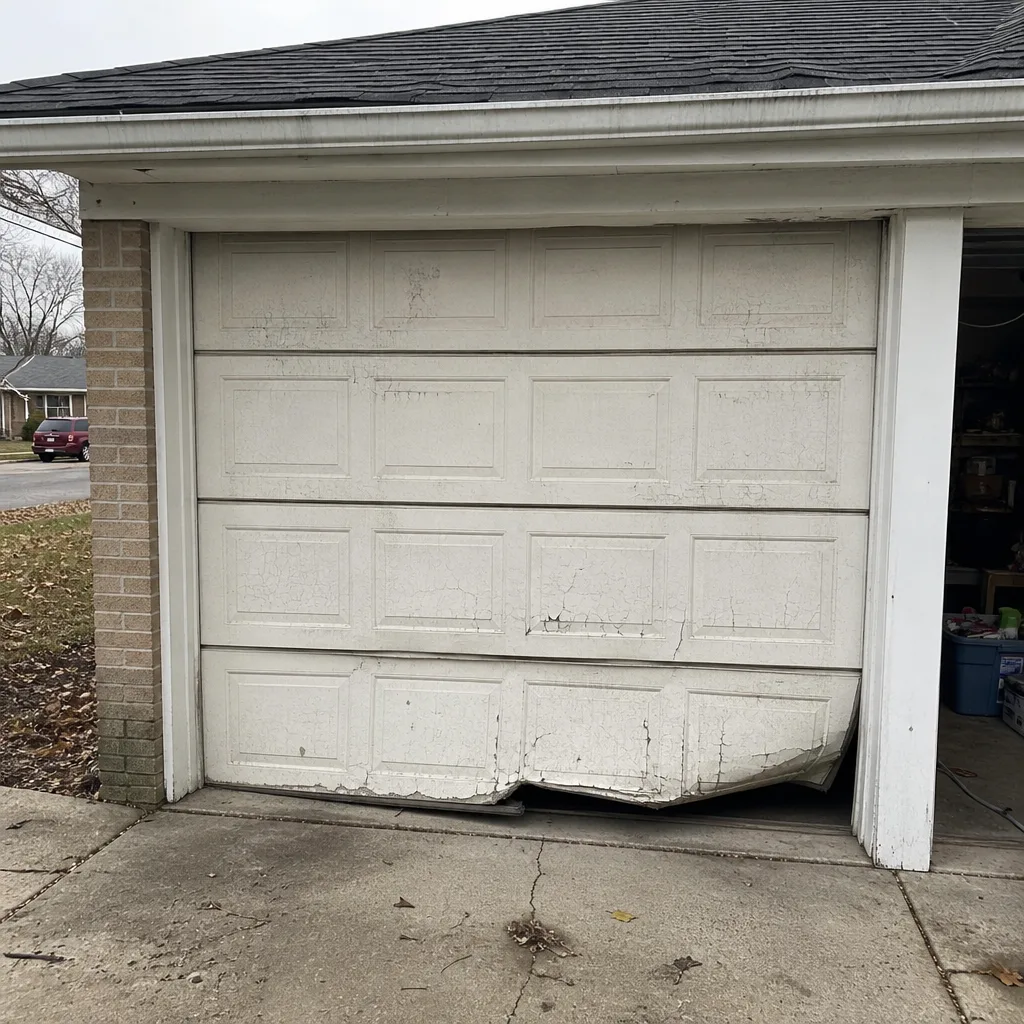 Before
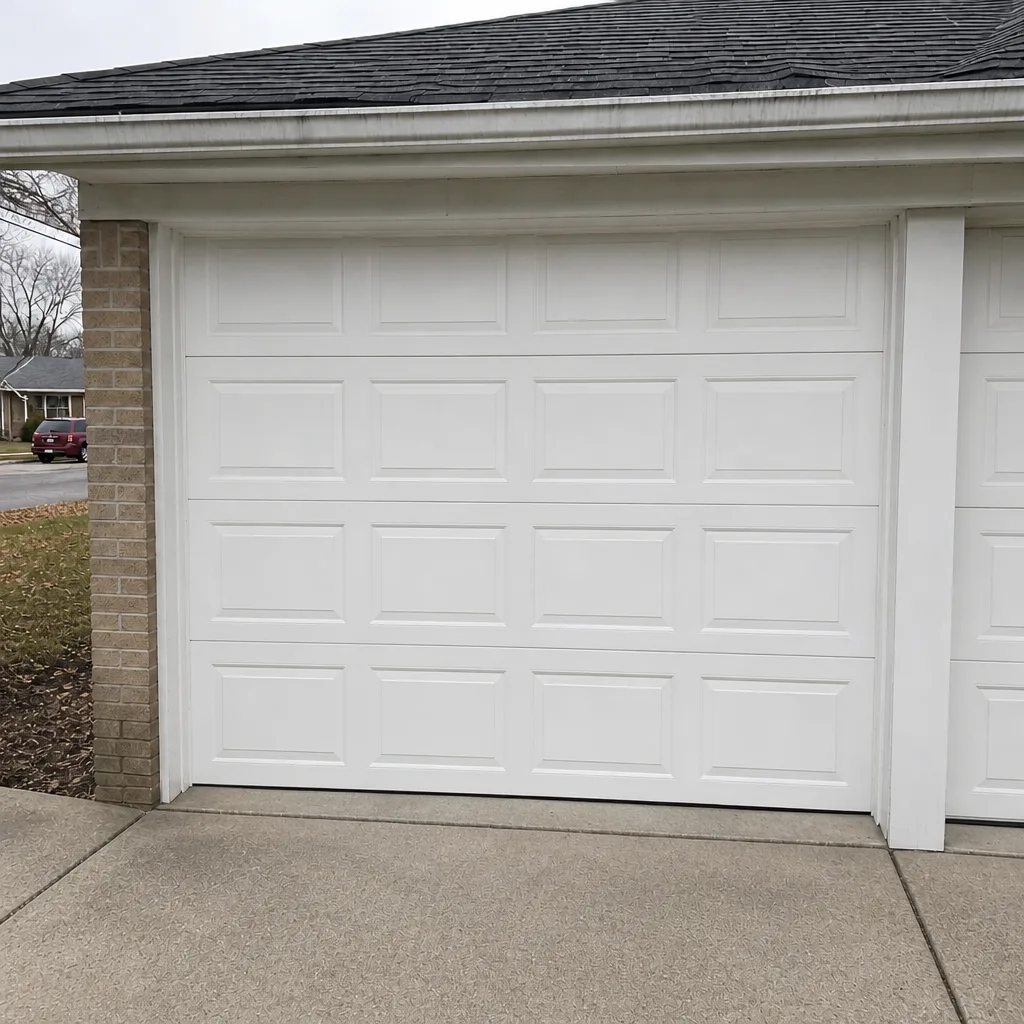 After
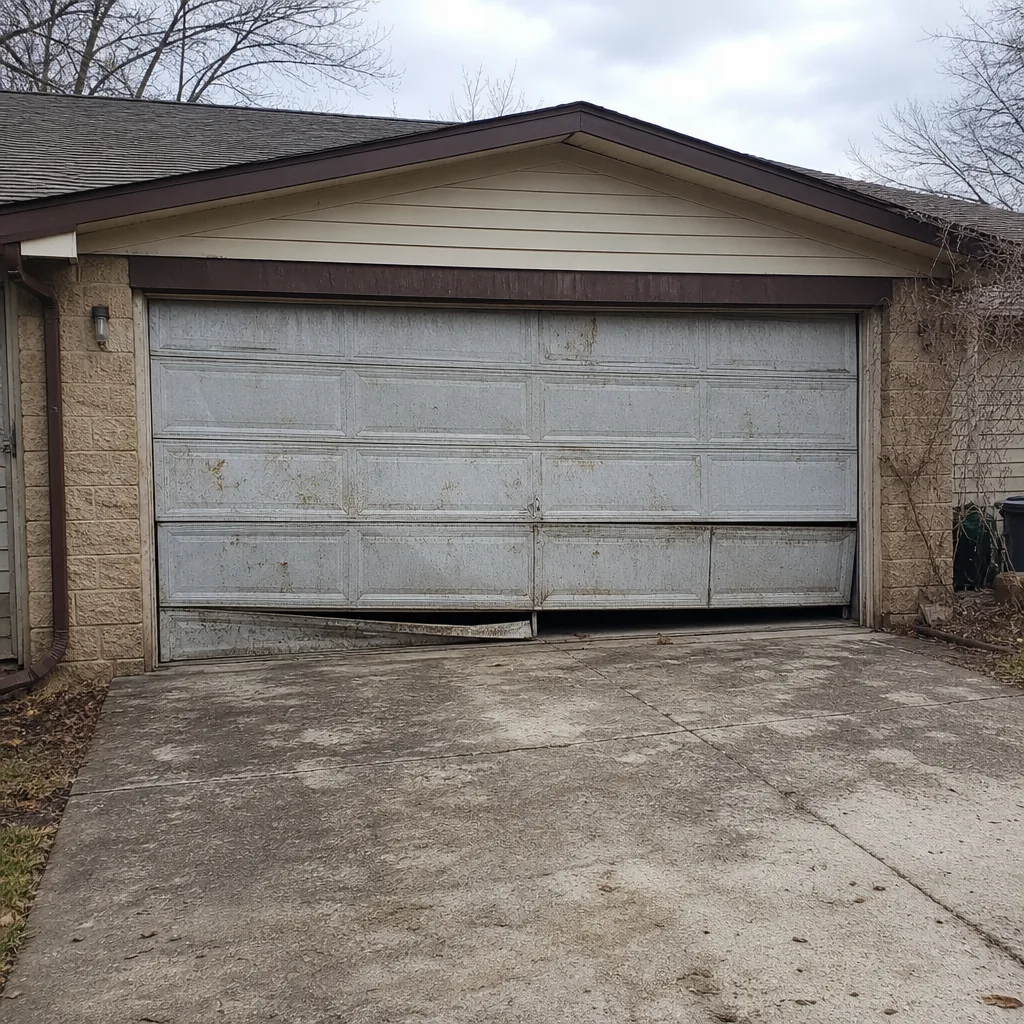 Before
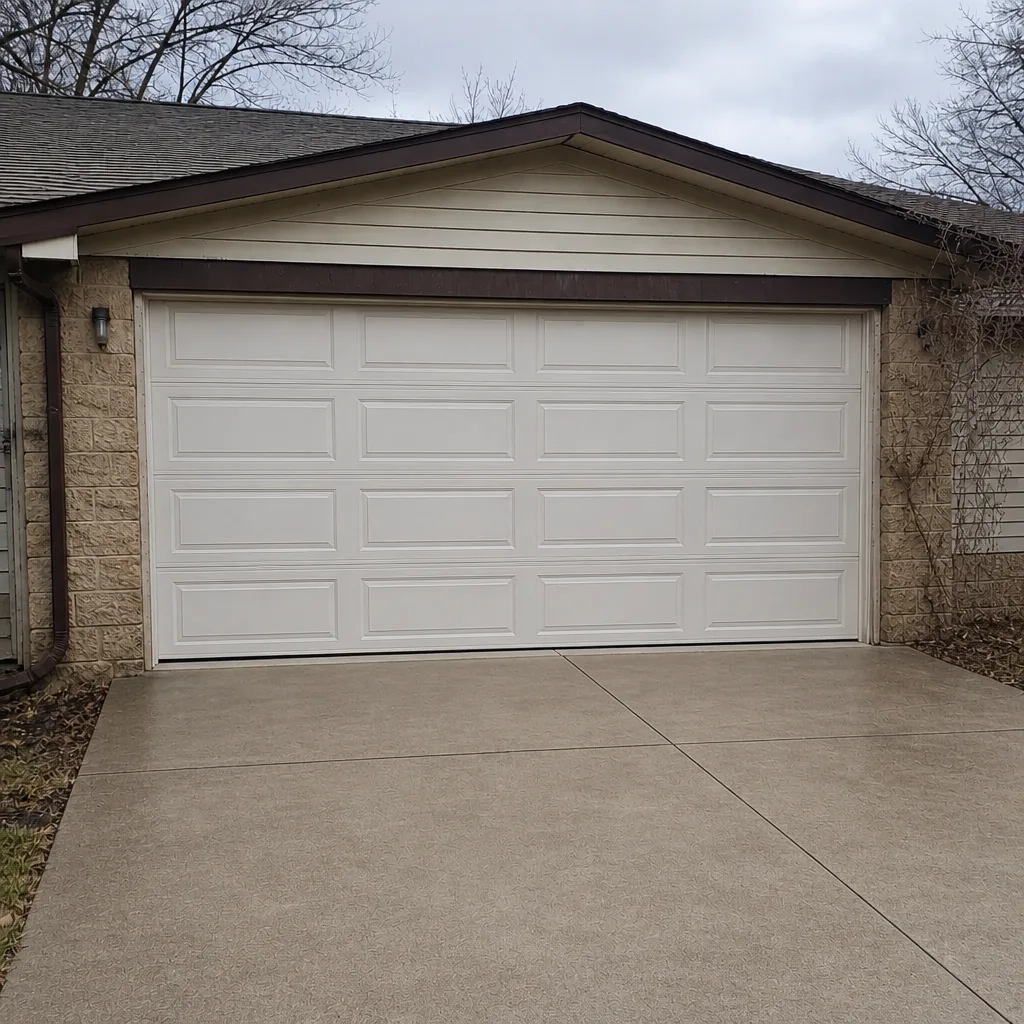 After
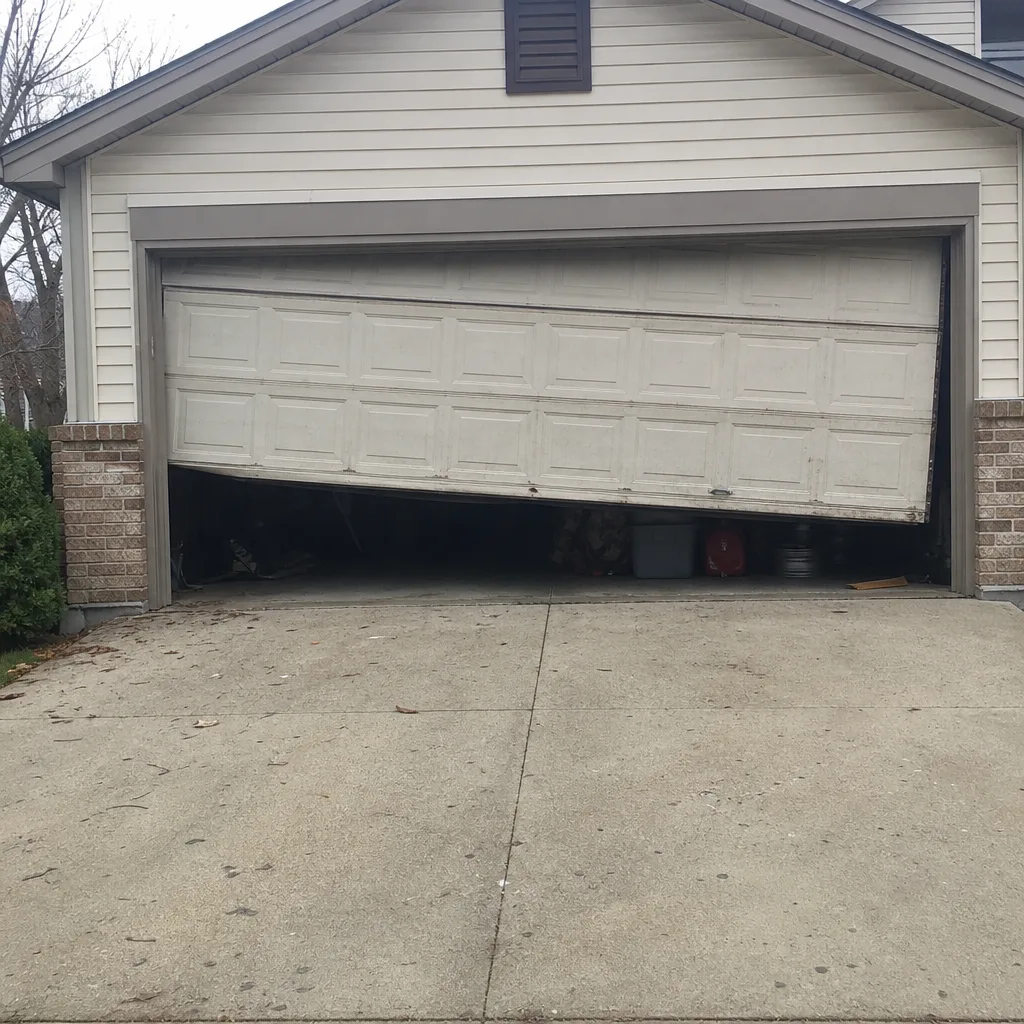 Before
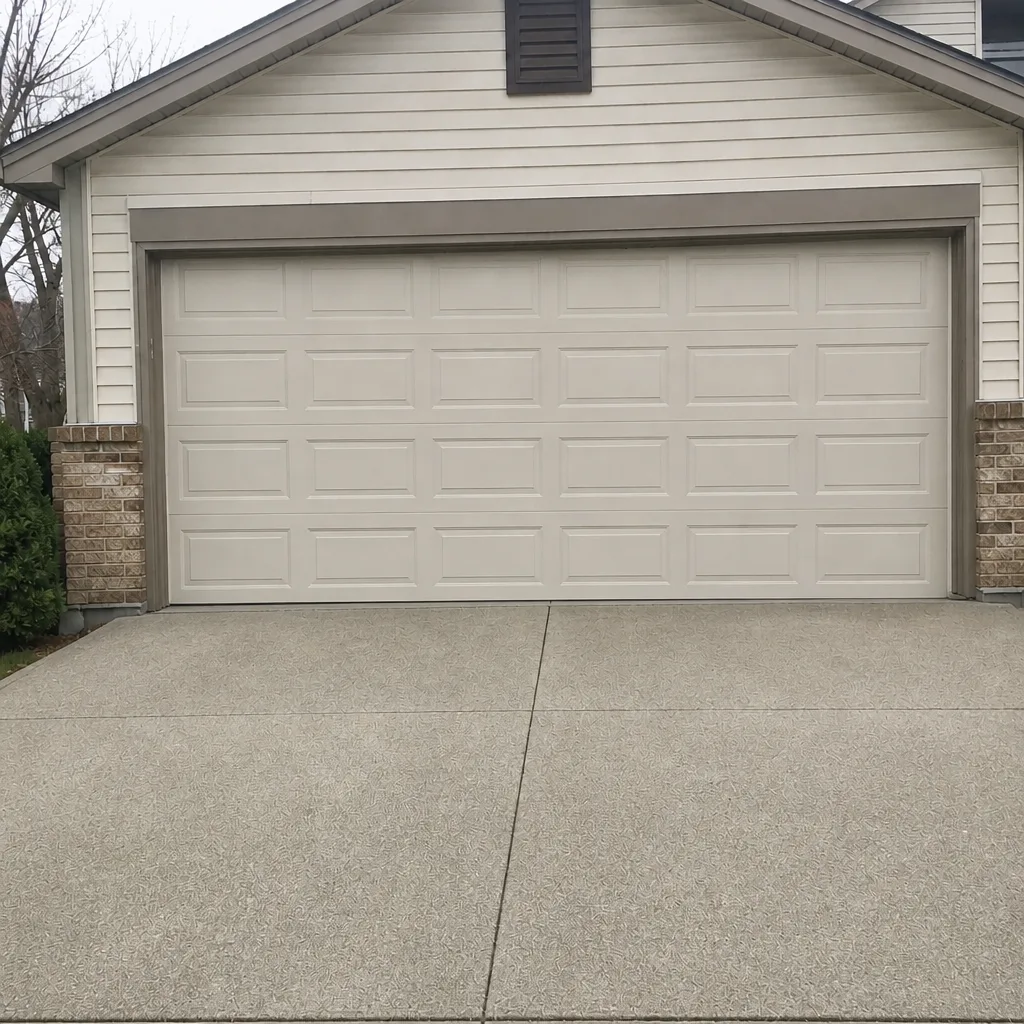 After
When to Call a Professional
Call a professional for any repair that involves springs, cables, the torsion bar, track alignment, panel replacement, or the opener’s internal parts. Also call if the door is out of balance, if it slams or reverses on its own, or if a safety sensor is failing. Those are the jobs where a trained technician with the right tools changes the outcome from risky to routine. If you’re unsure, describe what the door is doing over the phone and we can tell you whether it needs a visit.
Greenwood Garage Door Repair Co offers free estimates in Greenwood – call (855) 773-4548. We work on LiftMaster, Chamberlain, Genie, Clopay, Amarr, Wayne Dalton, Craftsman, and Raynor systems, and our technicians have up to 12 years of experience. The price is quoted and agreed before any work starts, and you’ll have the written estimate in hand before a wrench touches the door.
Frequently Asked Questions
No. Torsion and extension springs store enough energy to cause serious injury, and the job requires specialty winding tools plus a proper match to your door’s weight. It’s one of the few repairs we actively discourage homeowners from attempting. Call for a quote; estimates are free.
Spring replacement in Greenwood typically runs $180 – $340 for one spring, with a matched pair costing roughly twice that because the two springs on a two-spring door are normally replaced together. Prices depend on door size and spring type, and the written estimate sets the final number. Call (855) 773-4548 for an exact quote.
Yes, and it’s the best one on your garage door. The seal sits under no load, replacement rolls are inexpensive, and the job takes under an hour with a screwdriver. It’s the repair we most often tell Greenwood homeowners to handle themselves.
Usually not if the damage results from your own unpermitted structural work, and it depends on your specific policy. Most Indiana cities require a permit for structural garage door work, so a technician’s paper trail is often more important than the labor cost. Ask your own city’s building department if you’re unsure.
No. Cranking the force setting masks the underlying problem and stresses the opener. A door that won’t close usually has a spring, balance, or sensor issue that needs a diagnosis. Call (855) 773-4548 and describe what the door is doing.
Watch the balance check and the safety-reverse test, ask which part failed and why, and request the part names in writing. You don’t need to help with the work. You need to understand the door so you can handle the small jobs yourself next time.
The Bottom Line
Two garage door jobs in Greenwood are genuinely DIY-appropriate: the bottom weather seal and an exterior handle or lock. Everything else that involves springs, cables, tracks, panels, or the opener’s guts belongs to a technician. The reason isn’t that homeowners aren’t capable. It’s that the physics of a wound spring, the tool cost for tasks that look simple, and Indiana’s permit and insurance reality all stack against the DIY attempt. If you’re uncertain which side of the line your repair falls on, get a free estimate and skip the guesswork. The written price is the price, and the quote comes before any work begins.
Ready for a straight answer on your own door? Call (855) 773-4548 for a free estimate. We’ll tell you what’s actually wrong, what we can do about it, and what it costs before anything starts. Our technicians have up to 12 years of experience, and we handle everything from a broken spring to a brand-new door, including the manufacturers homeowners ask about most: Genie, Clopay, Amarr, and Wayne Dalton, along with the rest of the eight brands we service.
Written by the team at Greenwood Garage Door Repair Co.