Last updated November 21, 2026
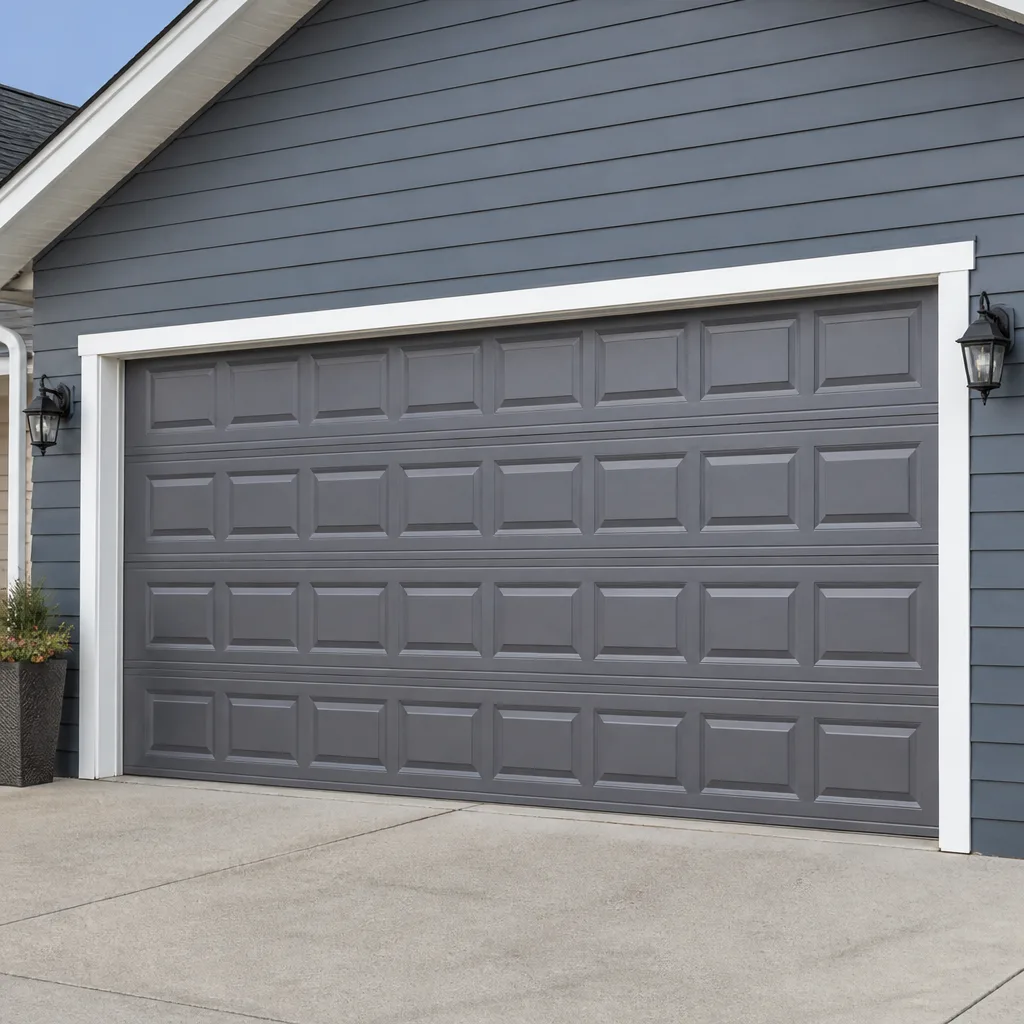 Raised-panel steel
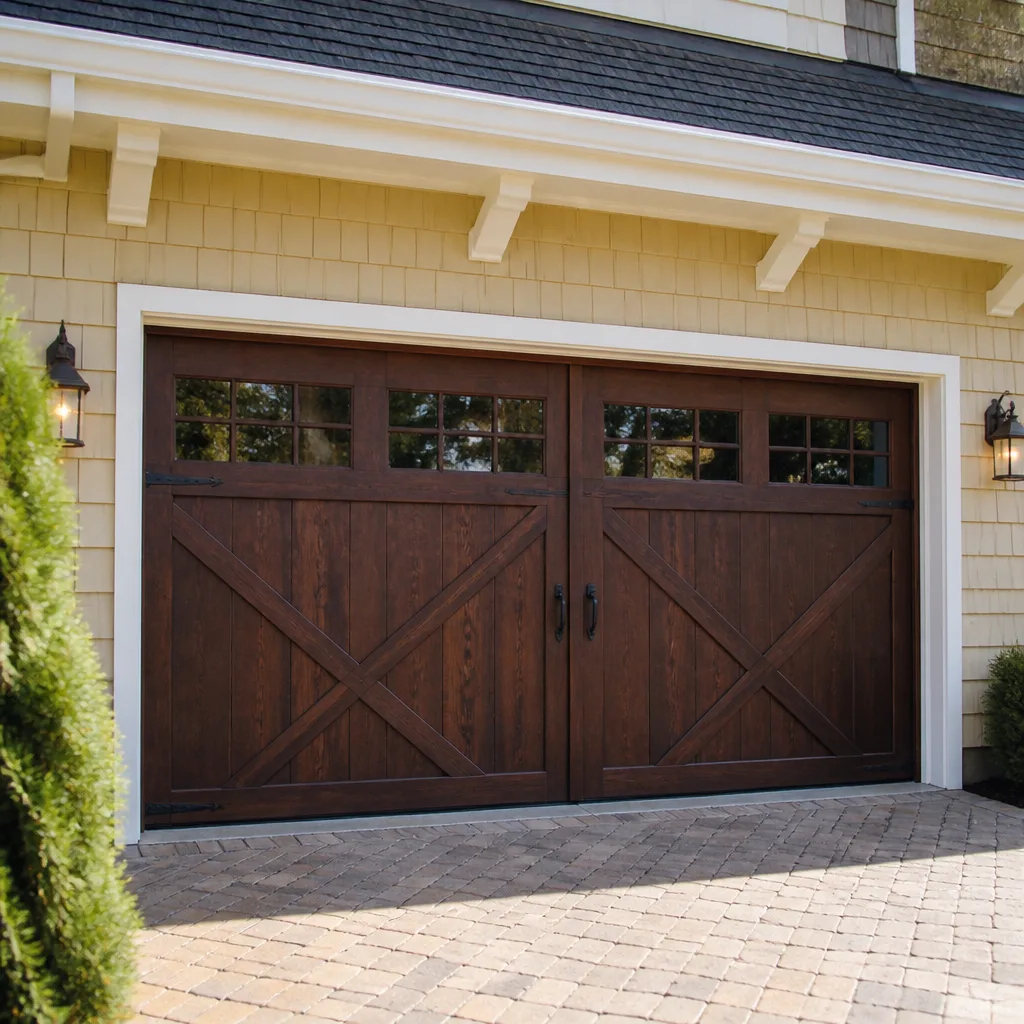 Carriage house
 Modern flush
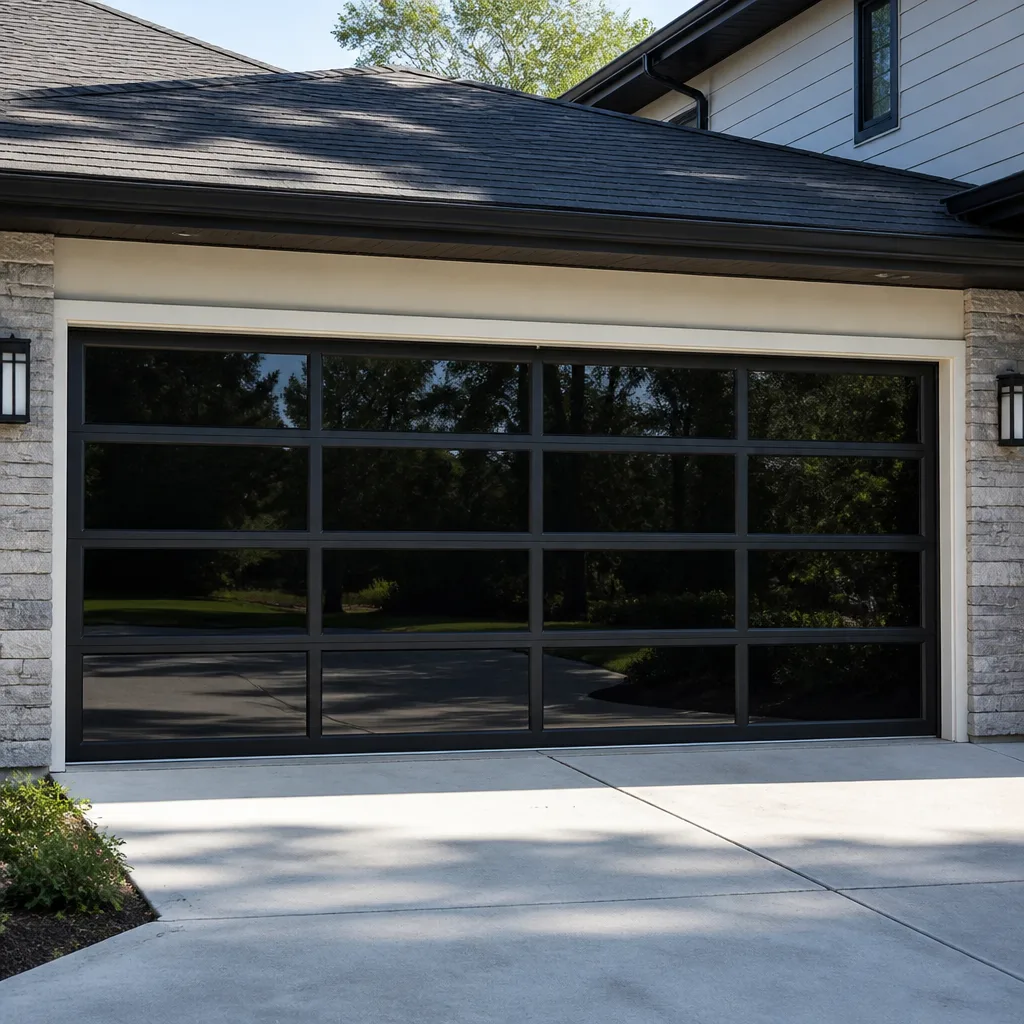 Full-view glass
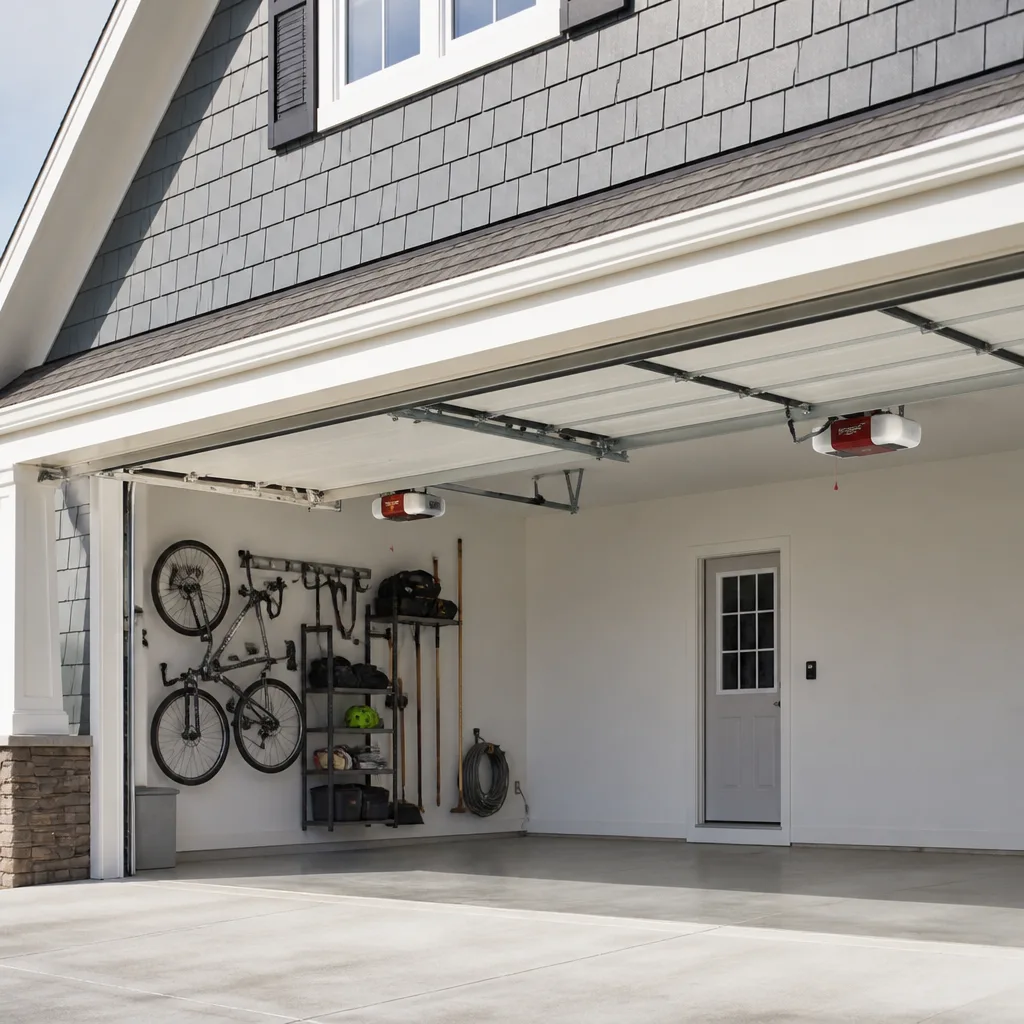 LiftMaster openers
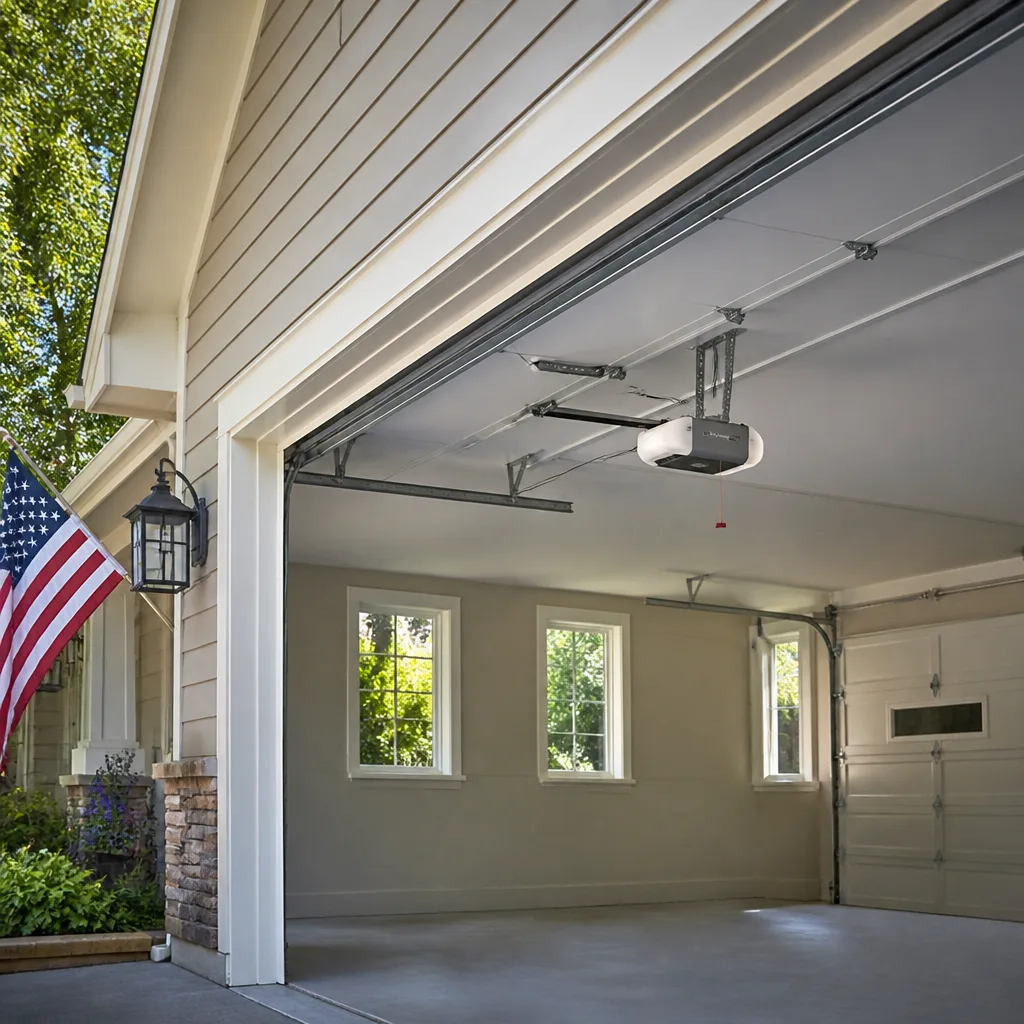 Chamberlain openers
Full 25-point door and opener safety check with every visit - springs, cables, rollers, tracks, and your LiftMaster or Chamberlain opener included
You get a price before we start. It does not change when the pro arrives.
Get your free estimateGarage Door Permits, Codes & Inspections in Greenwood, IN: What You Need to Know
Most homeowners in Greenwood assume a garage door never needs a permit. It’s a door, after all, not an addition or a new roof. That assumption is the source of most of the trouble. The line between a repair and a replacement isn’t drawn where people think it is, and once a project crosses it, the work becomes a permitted structural and safety item. Our technicians have up to 12 years of experience, and one of the things they’ve learned is that permits come up long after the door is hung – usually at a home inspection. This guide walks through when Greenwood and Johnson County rules call for a permit, what the code actually asks of a garage door, how the application works, and why the paperwork protects you more than it protects the city.
Quick Answer
In Greenwood and across Johnson County, a permit is generally required when you replace a garage door, install a new one, or make structural changes to the opening, tracks, or header. Like-for-like repairs – a spring, an opener, a roller, a single damaged panel – usually don’t need one. Because Greenwood’s rules and unincorporated Johnson County’s rules are administered differently, and because requirements can shift, the reliable move is to confirm with the City of Greenwood building department or Johnson County before work begins. Ask the question first; the answer is free.
Styles & brands we work with
- Raised-panel steel
- Carriage house
- Modern flush
- Full-view glass
- LiftMaster openers
- Chamberlain openers
Table of Contents
- Where repair ends and replacement begins
- What Indiana’s adopted residential code says about garage doors
- Why a permit protects you, not just the city
- How the permit process works in Greenwood
- HOA approval vs. city permit: getting the order right
- What an inspection actually looks at
- Common mistakes to avoid
- Frequently asked questions
Where Repair Ends and Replacement Begins
This is the question that trips up the most people, and the honest answer is that it’s less about the part and more about the opening. Swapping a torsion spring, replacing an opener, changing rollers, or hanging one new panel on a damaged door is repair work. The structure of the opening doesn’t change, the door doesn’t leave the tracks, and the load path stays exactly as it was. That’s the world where a permit usually isn’t part of the conversation.
A replacement is different, and it’s broader than homeowners expect. A few of the situations that cross the line:
- The entire door comes off and a new door goes into the same opening.
- The door is swapped for a different size, weight, or material.
- The tracks, springs, or header brackets are re-engineered to carry a heavier door.
- The opening itself is modified – widened, raised, or reframed.
- A new opening is cut into a wall that didn’t have one.
Notice that “same size, same opening” is still on that list. Replacing a Clopay door with another Clopay door of the same dimensions is still a replacement, because the spring system, the track anchoring, and the door’s connection to the wall all get re-established. That re-anchoring is the part inspectors care about, and it’s the reason the permit exists. In Greenwood, the practical test is simple: if the door is leaving the opening, ask the building department whether a permit is required before you order anything. A single panel replacement on a door that stays in place is the clearest case where the answer is usually no.
What Indiana’s Adopted Residential Code Says About Garage Doors
Indiana adopts the International Residential Code, and that code treats a garage door as part of the building’s envelope and its structural system – not as an appliance. Two provisions matter most for Greenwood homeowners, and both come up during a permitted project.
Wind-load resistance. The IRC assigns wind design requirements by region, and Johnson County sits in an inland wind zone where a garage door has to meet a rated wind-load value for its size and location on the house. That rating isn’t a marketing number on the box; it’s a tested value tied to the specific door model and the opening it fills. Builders and door manufacturers publish it. When a permit is pulled, the inspector wants to see that the door installed actually carries the rating for the zone. This is one of the strongest arguments for a permitted installation – a rated door installed unpermitted still might meet the standard, but nobody can prove it later if the paperwork isn’t there.
Safety devices. The code requires that a motorized garage door reverse or stop when it meets an obstruction in its path. That’s the photoelectric sensor pair at the bottom of the opening, plus the opener’s built-in force reversing feature. This isn’t a custom rule for Greenwood; it’s a baseline safety requirement for any powered door, and inspectors check it on new installs and on replacements where the opener is reconnected.
Attached garage separation. Where a garage is attached to the house, the code cares about the separation between the garage and the living space – the door between them, the fire separation of the wall, and the sealing of the opening. A garage door replacement doesn’t usually touch that, but it becomes relevant on projects that alter the opening or the wall around it. If your project touches the wall, ask.
None of this is meant to make a door replacement sound like a zoning hearing. It’s the reverse. A permitted job is a documented job, and the documentation is specific facts about your door that travel with your house.
Why a Permit Protects You, Not Just the City
Homeowners tend to read a permit as a tax or a hurdle. It’s neither. It’s a third-party record that the work was done to the adopted code, and that record does specific things for you years down the line.
- It protects a home sale. A buyer’s inspector will look at a garage door, and an inspector who sees a door that’s clearly newer than the rest of the house will ask for the permit. If there isn’t one, the deal can stall while the buyer and their lender work out what to do. A retrofit inspection isn’t a fine – it’s a process, and the process can require undoing finished work to expose what the inspector needs to see. That’s the part that costs the most.
- It supports a warranty claim. A door manufacturer’s warranty covers defects in the product, but a warranty department can ask whether the door was installed correctly. Without a permit and inspection record, the answer rests on the installer’s word alone. With one, the installation is documented.
- It matters on an insurance claim. Insurers look at whether the work that failed was done to code. A door that failed a wind-load check after a storm is a very different claim from a door that was rated and installed to the standard. When a claim is denied or reduced, the permit record is one of the first things a claims adjuster asks for.
- It protects the next owner. A garage door is one of the heaviest moving parts of a home. Every unpermitted installation is a spring under unknown tension, anchored to a wall by fasteners nobody verified.
The short version: the permit is a form of insurance you buy once and cash in ten years later. When we talk to Greenwood homeowners about a new door, the paperwork conversation comes before the model pick, not after. It’s easier to plan for a permit than to retrofit for one.
How the Permit Process Works in Greenwood
Where you apply depends on where your house sits. Greenwood has a city building department that handles permits inside the city limits, and Johnson County handles permitted work in unincorporated areas outside the city. The process is similar in both, but you want the right office, and the address determines which one you’re dealing with.
Here’s the sequence for a garage door replacement:
- Confirm the requirement. Call the City of Greenwood building department (or Johnson County if you’re outside the city limits) and describe the project: full door replacement, same opening. Ask whether a permit is required and what documents they want with the application.
- Gather the project details. The door manufacturer, model, size, wind-load rating, and the installer’s information. Some applications ask for a short plan or a product data sheet; some don’t. Ask before you assemble a packet.
- Submit the application. Many jurisdictions accept these online now, and some accept them in person. The city will tell you which.
- Pay the fee and get the card. Permit fees are typically set by the jurisdiction, not by the door size. They’re modest compared to the project, and the exact number is best confirmed directly with the office that issues it.
- Complete the installation. The permit usually has a window in which the work needs to be done, and the card goes in the window or on the wall so the inspector can find it.
- Schedule the inspection. Once the door is in and the opener is reconnected with the safety reversal working, you call for the inspection. The inspector checks the installation, the ratings, and the safety devices, and closes the permit.
Timing varies. Smaller jobs can move quickly; anything that needs a plan review may take longer. What matters is the order: permit first, installation second, inspection third. A door installed before the permit is issued becomes a conversation about a retrofit inspection instead of a routine one, and that’s a much slower path. If you’re scheduling a full replacement with us, we’ll walk through the permit requirement as part of the plan and help you get the right details to the right office before the door ships.
HOA Approval vs. City Permit: Getting the Order Right
In Greenwood subdivisions, a lot of homeowners face two approval processes at once, and the most common error is treating them as one. They’re not. An HOA approval is a neighborhood covenant; a city permit is a code requirement. Neither one substitutes for the other.
The order matters, and this is where projects get held up:
- Read your HOA’s architectural guidelines first. Most associations restrict door style, color, panel layout, and sometimes window configuration. If the door you’ve picked doesn’t fit the guideline, the HOA can require you to change it after it’s ordered, which is an expensive place to learn that lesson.
- Submit the HOA architectural request. Most require a product spec sheet, a rendering or photo of the door, the color, and the proposed installation. Get the approval in writing before you order.
- Then apply for the city or county permit. The permit office isn’t checking against your HOA guidelines, and the HOA isn’t checking against the wind-load rating – they’re separate reviews, and both need to be complete before installation.
- Keep both approvals together. When the inspection comes or the house goes on the market, having the HOA approval and the permit in one folder saves a phone call.
Some Greenwood associations only regulate the visible parts, so an opener replacement or a spring repair inside the garage doesn’t require an architectural request. A full door swap almost always does. That’s the pattern to check against. A door that’s already ordered and sitting in a warehouse while the HOA reviews the color is a door that’s waiting on paperwork, not on manufacturing.
What an Inspection Actually Looks At
The inspection isn’t a redesign of your project. It’s a check that the installed door matches what was permitted and meets the code baseline. Knowing what the inspector looks at helps you spot problems before they do.
- Door model and rating. The installed door should match the permit application, including wind-load rating for the opening.
- Track and anchor integrity. Tracks should be plumb, level, and anchored into structural material, not just drywall.
- Spring and counterbalance. The spring system should balance the door – the door should stay open at roughly mid-height without rising or falling on its own, and lift with a reasonable amount of force.
- Safe-T-Beam sensors. The sensor pair should be aligned, working, and installed at the correct height per the opener manufacturer’s instructions. Genie and Chamberlain openers each publish their own requirements, and the inspector is checking for working obstruction reversal, not for compliance with a particular brand’s app features.
- Manual release. The emergency release should be present and functional.
- Door-to-wall separation where the project touches it. Where the wall or opening was modified, the separation between garage and living space gets a look.
If something fails, most inspectors will tell you what failed and give you the path to a re-inspection. Springs and tracks are the two common fix-it items, and both are repair work, not a re-permit. A quick note on the spring part: torsion springs are under extreme tension and can cause serious injury if handled without the right tools and technique. We don’t recommend adjusting or replacing a spring yourself. That’s a trained professional job, and it’s one of the services we handle most often in Greenwood – you can read more about it on our garage door spring repair page.
Common Mistakes to Avoid
- Assuming a replacement isn’t “structural.” The door is anchored to the wall and carries rated loads. In Greenwood, that’s the trigger, regardless of the door’s size.
- Pulling the permit after the door is installed. The sequence matters. A permit pulled after the work is done usually becomes a retrofit inspection, and that can mean exposing finished parts of the job.
- Handling the HOA after the city. Neighborhood architectural guidelines should be the first review, not the last. If the door color breaks the covenant, the permit doesn’t fix it.
- Applying to the wrong office. City limits of Greenwood and unincorporated Johnson County are handled by different offices. Check the address before you file.
- Not keeping the paperwork. Permits, inspection cards, and HOA approvals should be stored with the home’s records. Home inspectors will ask for them.
- Treating a permit as cover for a self-install. A permit is not a license to do the work. Some installations require the work to be performed in a way the inspector can verify – including the spring system and the door’s connection to the wall – and most homeowners don’t have the tools to install a torsion spring safely. Replacing a torsion spring is one of the most dangerous jobs in this trade, and it’s not a DIY project.
- Ignoring the opener’s safety devices. Sensors out of alignment, a reversed sensor polarity, or a pressure override on the opener are all things an inspector will catch. So will a homeowner with a child in the driveway. The sensor isn’t decoration; it’s the code requirement that stops a door from closing on someone.
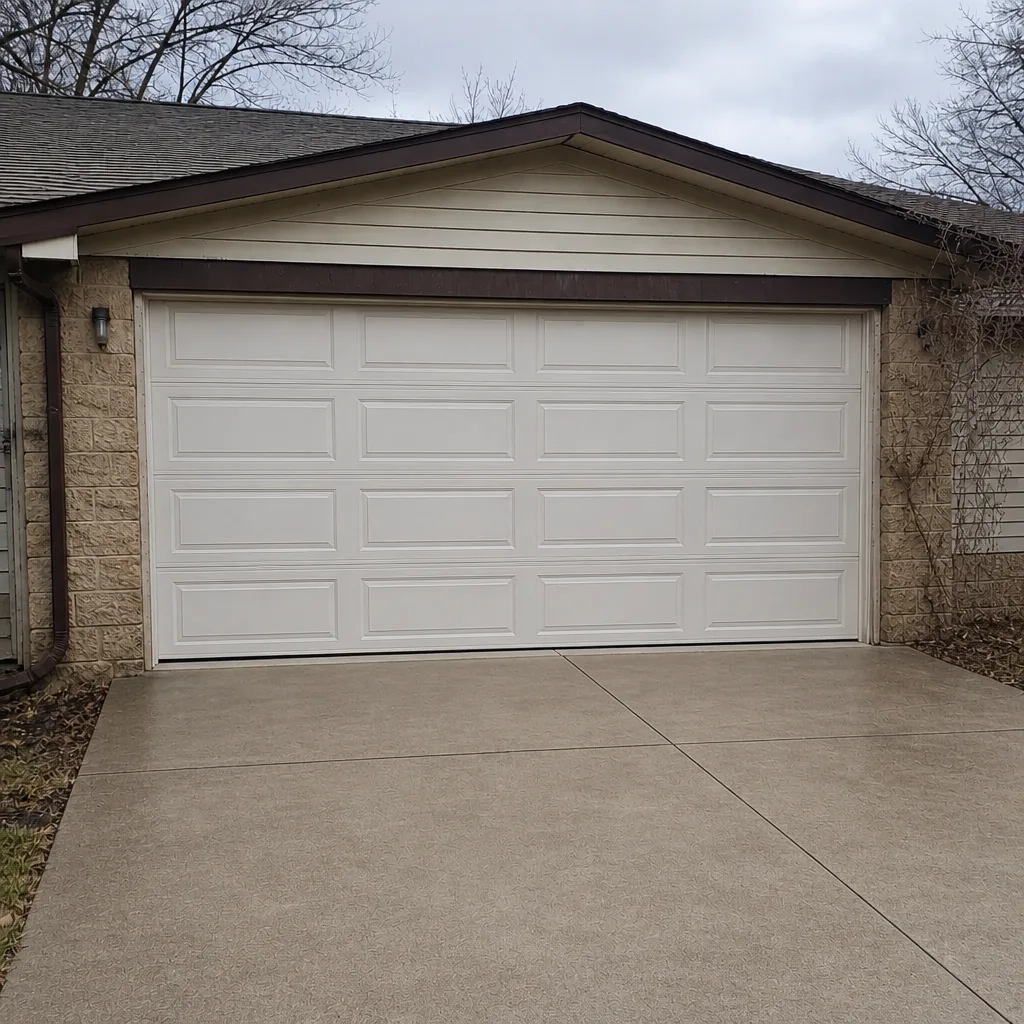
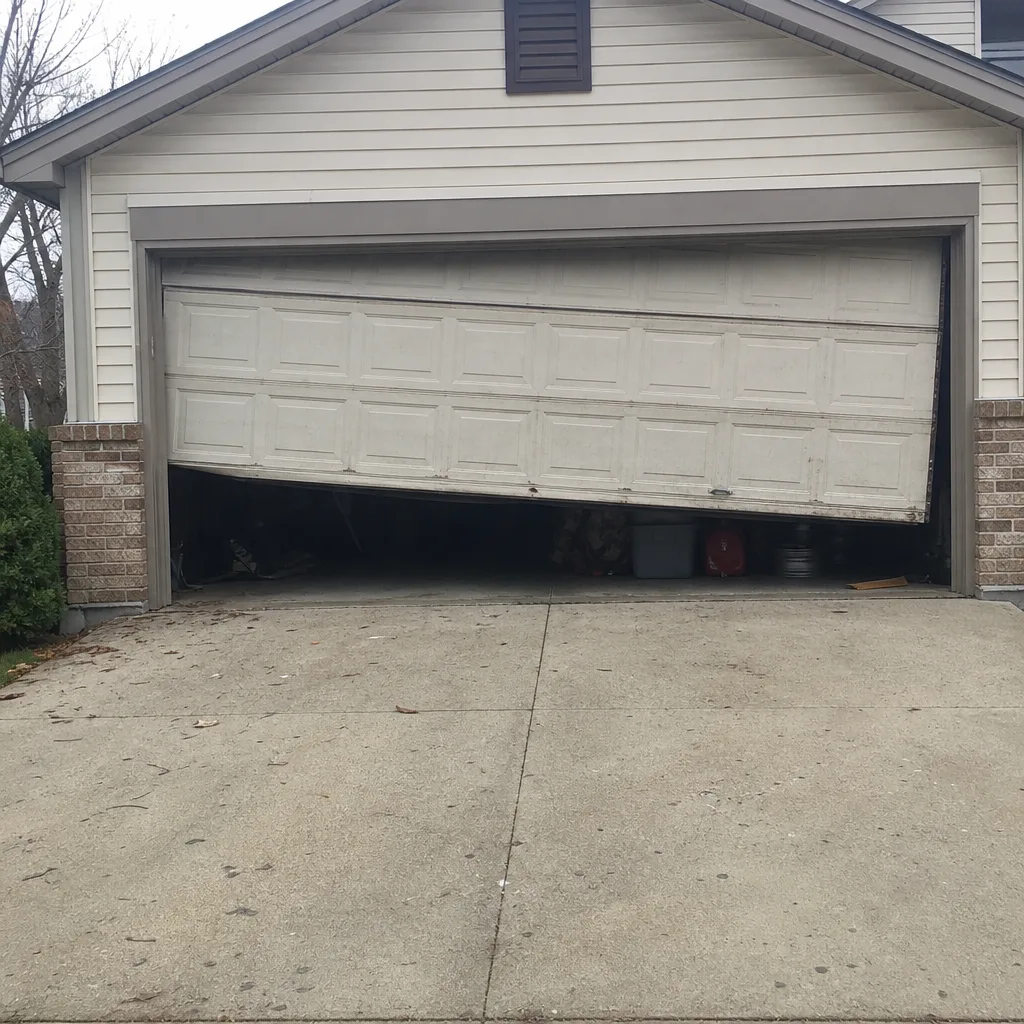
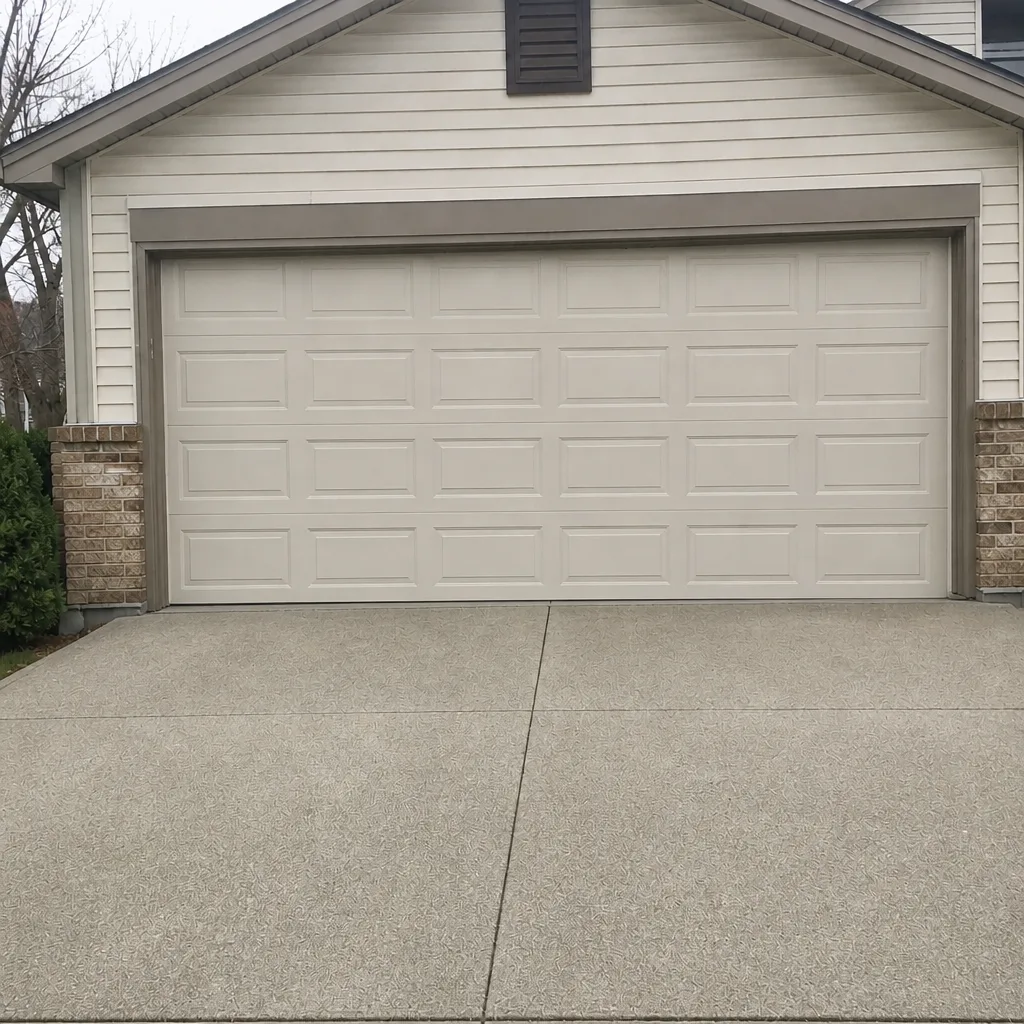
See the difference
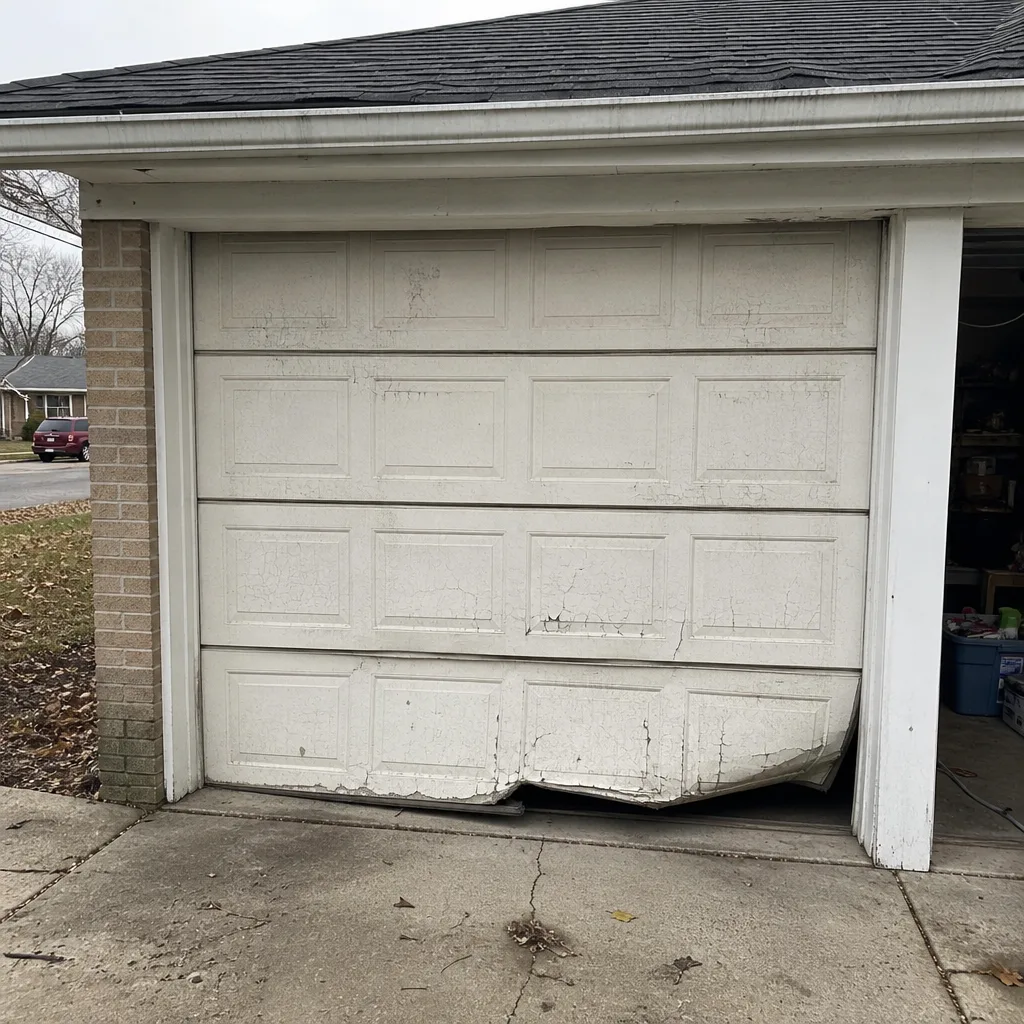 Before
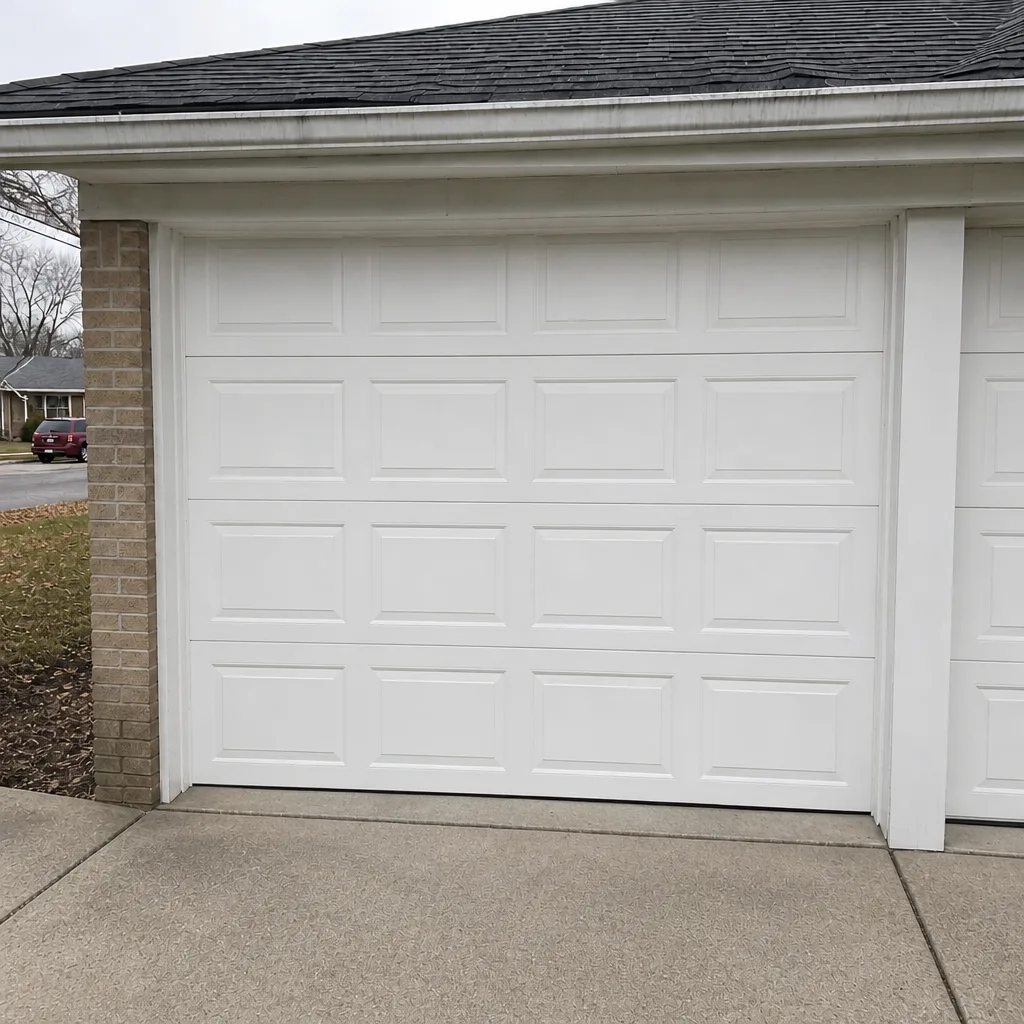 After
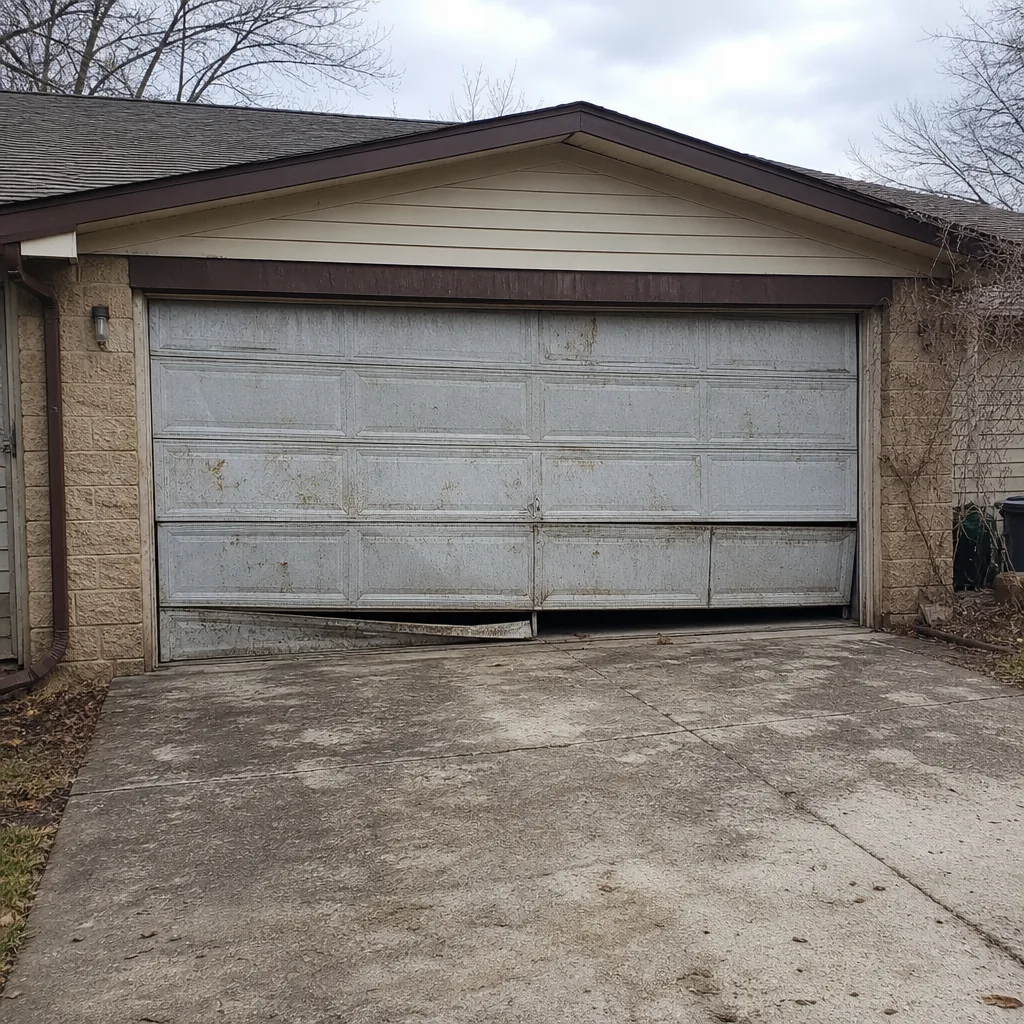 Before
 After
 Before
 After
When to Call a Professional
Three situations call for a technician. The first is any replacement or new installation: it’s a structural, rated job, and the permit and inspection work best when the installation is done by someone who can hand over the ratings and the fastener spec without guessing. The second is a torsion spring failure – the door is stuck, the car may be trapped, and the spring is the most dangerous component on the door. The third is a brand-specific opener that’s gone down and needs someone familiar with it. Our technicians work with Chamberlain, Genie, Clopay, and Amarr doors and systems every week, and we cover the full brand list we’re factory-familiar with: LiftMaster, Chamberlain, Genie, Clopay, Amarr, Wayne Dalton, Craftsman, and Raynor. If your door is stuck and needs immediate attention, our emergency response is real. Greenwood Garage Door Repair Co offers free estimates in Greenwood. Call (855) 773-4548 and we’ll help you sort out what the job needs.
Frequently Asked Questions
In most cases, yes. A full door replacement in Greenwood or unincorporated Johnson County generally requires a permit because the door is a rated, anchored component of the structure. Confirm the requirement with the City of Greenwood building department or Johnson County before ordering. If you’re not sure whether your project crosses the line, call us at (855) 773-4548 and we’ll help you frame the question for the permit office.
Usually not. Spring and opener replacements are repair work on an existing door and don’t change the structure of the opening or the door’s rating. That said, springs are a high-risk job. A torsion spring under tension can cause serious injury, and we recommend a trained technician. Call (855) 773-4548 for a free estimate on spring or opener work.
The fix is a retrofit inspection, not a fine. You can’t retroactively pull a permit for work already done, but most jurisdictions allow a homeowner to request an inspection of existing work and bring it into compliance, which may require exposing parts of the installation the inspector needs to see. The earlier you start that process, the less it costs. Call (855) 773-4548 if you’d like help understanding what a retrofit inspection might look at.
Fees are set by the issuing jurisdiction, not by the door size or model, and they’re usually modest compared to the cost of the door itself. The exact number is best confirmed with the City of Greenwood building department or Johnson County at the time you apply, since fee schedules change. What we can tell you is that the cost of skipping the permit is much higher than the fee. For a written estimate on the installation itself, call (855) 773-4548.
Yes – HOA approval should come first. Your association’s architectural guidelines usually control the door style, color, and panel layout, and a city permit doesn’t override those restrictions. Get the HOA approval in writing, then submit the city or county permit application. If your project is in a Greenwood subdivision with an HOA, double-check the architectural request before you order the door. Call (855) 773-4548 if you’d like us to provide the product spec sheet you’ll need for the request.
The local pros we connect you with are licensed and insured as their state requires, and the work on a permitted job is documented to the code the inspector checks against. We’re happy to provide the installer and product details your permit office or HOA needs. For a free estimate in Greenwood, call (855) 773-4548.
The Bottom Line
A garage door permit in Greenwood isn’t a bureaucratic sidestep – it’s a record that the biggest moving component of your home was installed to the code that protects it. Repairs like springs, openers, and single panels usually don’t require one. Full replacements, new openings, and any change to the tracks or the door’s anchoring usually do. The order matters: HOA approval first, then the city or county permit, then installation, then the inspection. Keep the paperwork. If you’re planning a door project in Greenwood, whether it’s a spring, an opener, a panel, or a full door, we can help you get the details right before the work starts. Call Greenwood Garage Door Repair Co at (855) 773-4548 for a free estimate.
Written by the team at Greenwood Garage Door Repair Co.