Last updated November 21, 2026
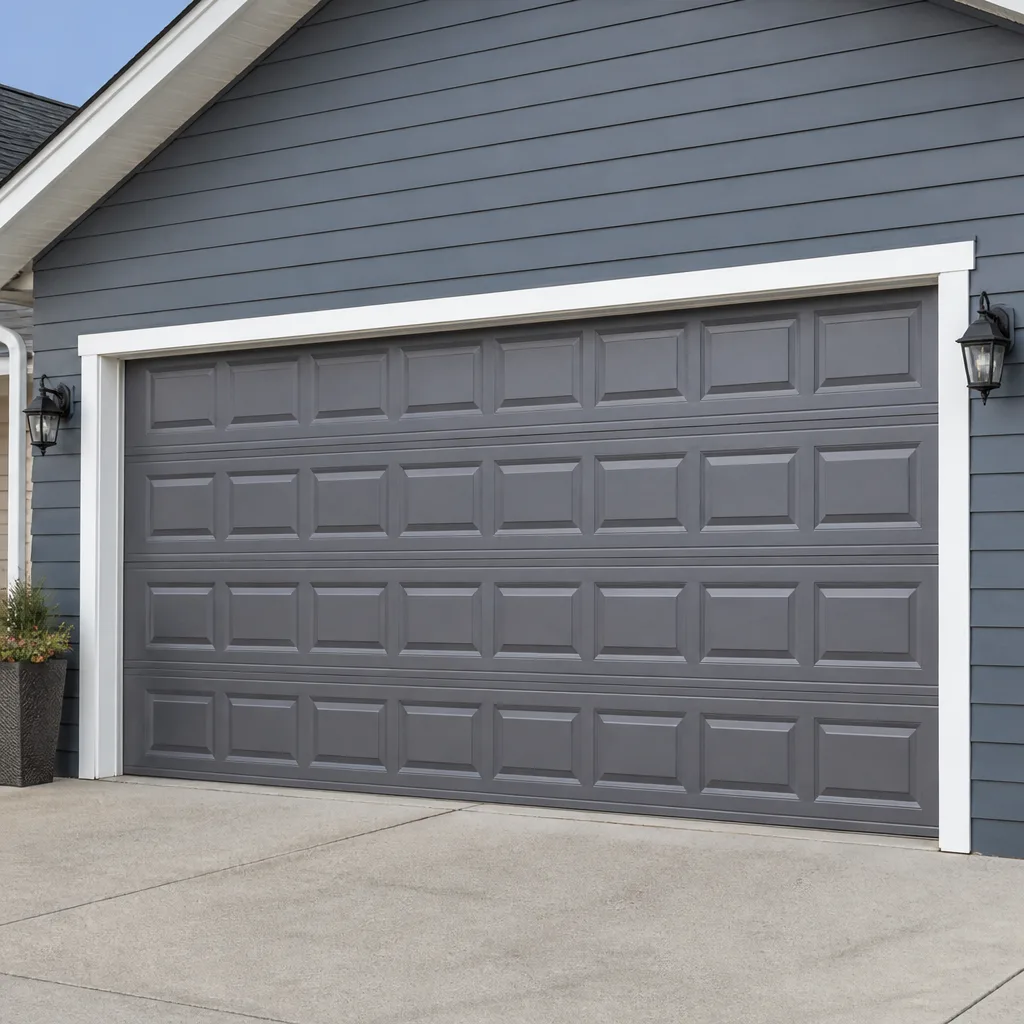 Raised-panel steel
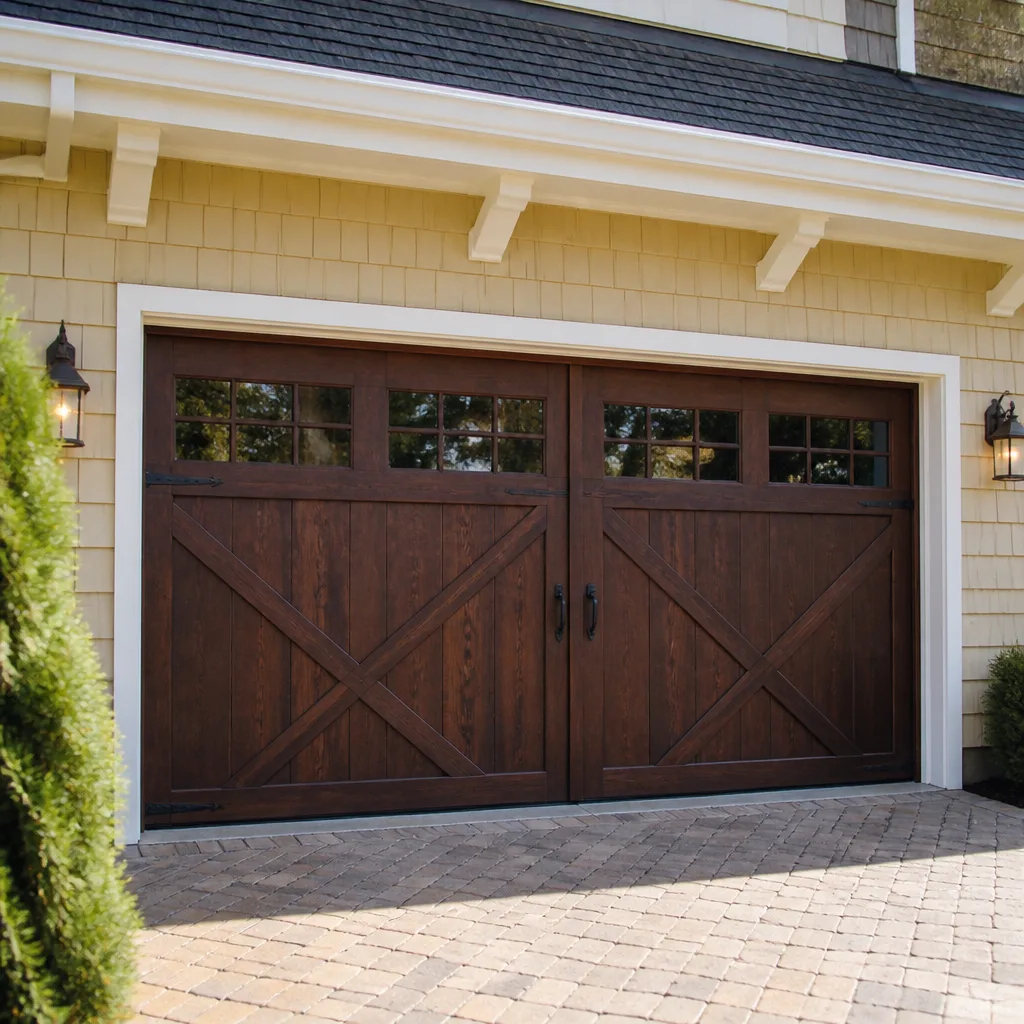 Carriage house
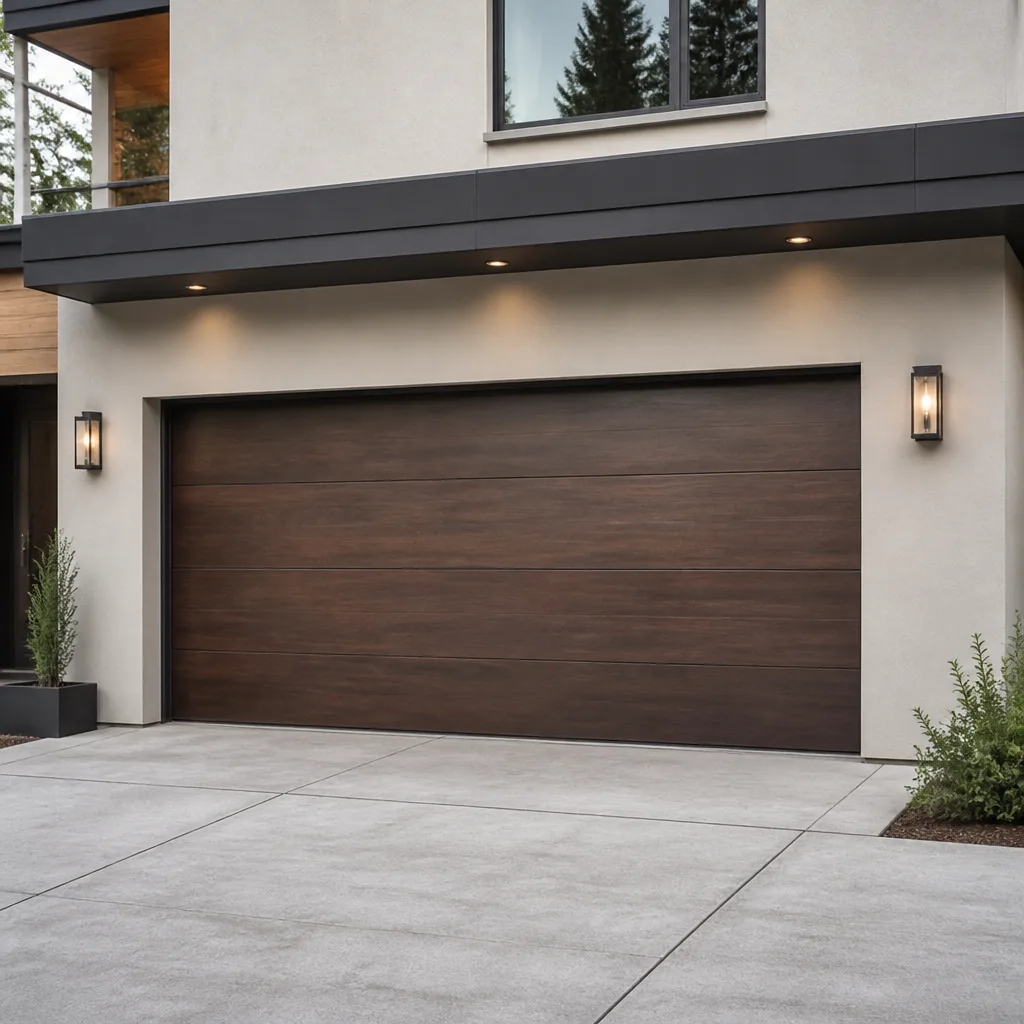 Modern flush
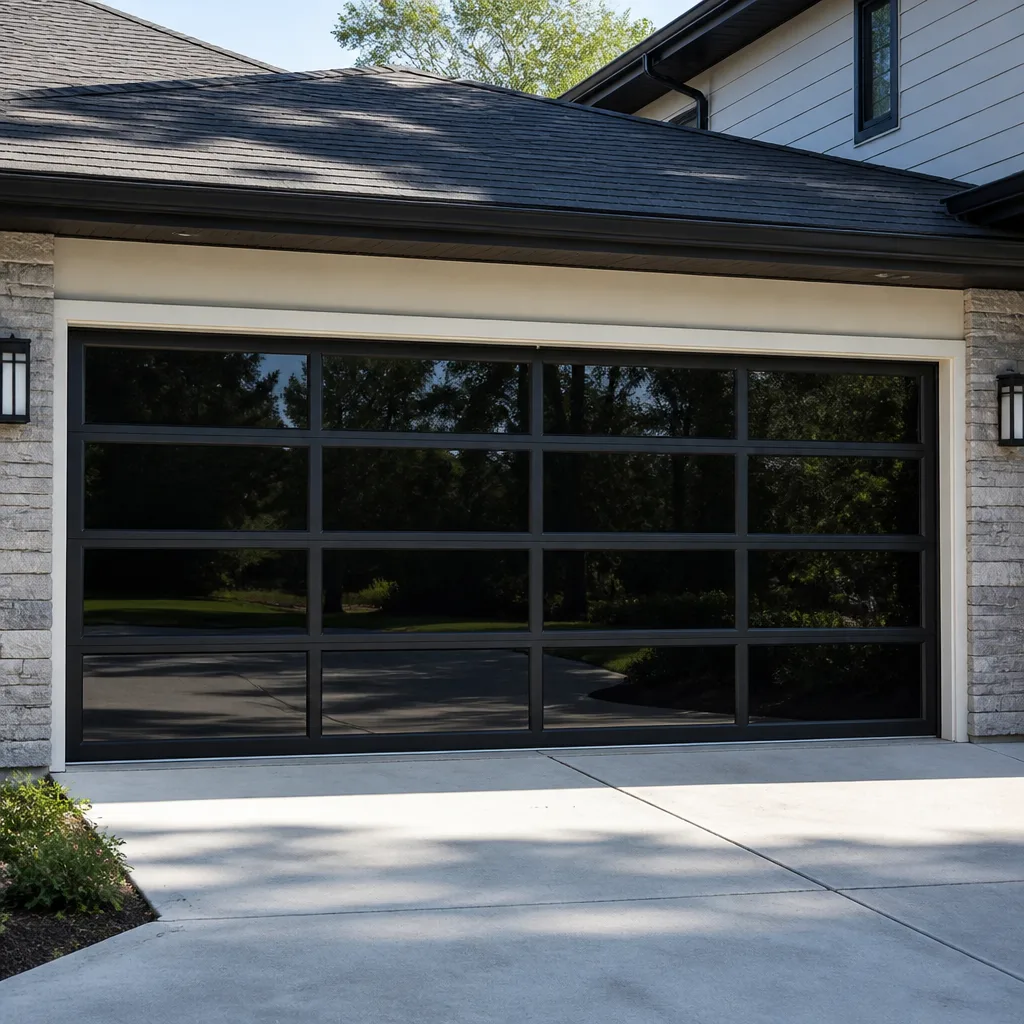 Full-view glass
 LiftMaster openers
 Chamberlain openers
Full 25-point door and opener safety check with every visit - springs, cables, rollers, tracks, and your LiftMaster or Chamberlain opener included
You get a price before we start. It does not change when the pro arrives.
Get your free estimateGarage Door Warning Signs: A Greenwood Homeowner’s Reference Guide
A garage door doesn’t just fail. It broadcasts what’s about to break for weeks beforehand in sounds, speeds, and gaps that most homeowners have learned to tune out. Here’s how to listen. A door that shudders once and settles, an opener that hesitates on cold mornings, a half-inch gap at the bottom you’ve stepped over a hundred times: these are the early warnings that, caught in time, cost a fraction of what they cost after a component lets go. In this guide, we’ll walk through the subtle signs Greenwood homeowners dismiss for months, explain what each one actually means, and lay out the cost escalation that comes with waiting.
Quick Answer
The most common early warning signs of garage door failure are unusual sounds (grinding, popping, scraping), asymmetric or jerky movement, a door that drifts more than a few inches during a balance test, and intermittent opener failure. Caught early, most of these signal an inexpensive adjustment or part replacement. Left for months, they often escalate into spring, cable, or opener failures that cost several times more to repair.
Styles & brands we work with
- Raised-panel steel
- Carriage house
- Modern flush
- Full-view glass
- LiftMaster openers
- Chamberlain openers
Table of Contents
- The Sound Profile: Spring, Roller, or Opener Gear?
- Asymmetric Movement: The Cable and Spring Clue Most Homeowners Miss
- How to Read Your Balance Test Result
- Intermittent Opener Failure: Why “It Usually Works Fine” Is a Red Flag
- Visual Tells: Cables, Hinges, Panels, and Gaps
- The Cost Escalation Timeline: 30 Days, 90 Days, 6 Months
- What Greenwood Weather and Homes Do to Your Door
- A Simple Monthly Check You Can Do in Five Minutes
The Sound Profile: Spring, Roller, or Opener Gear?
You don’t need a technician’s ear to tell these three apart. Each failing component has a distinct sound signature, and once you know what to listen for, you’ll hear it before any visible symptom appears. The trick is that most homeowners hear the noise, register it as “normal wear,” and move on. In our experience across Greenwood, that gap between hearing and acting is where repair bills grow.
Spring under stress
A torsion spring that’s beginning to fatigue doesn’t usually snap without warning. It talks first: a sharp metallic pop, often once, sometimes twice, followed by weeks of silence before it happens again. You might hear a short twang when the door reaches a certain height. The door may feel suddenly heavier when you lift it manually. That pop is the torsion spring loading unevenly as coils fatigue. It’s not a loose bolt and it’s not the track expanding in the heat. If you hear it more than once or twice in a season, have the spring inspected before it breaks.
Roller going bad
A worn roller makes a grinding or rumbling sound as it rolls through the track, and it usually gets worse the further up the door travels. Unlike spring noise, roller noise is constant and increases with speed. A single bad roller is one of the least expensive parts on the whole system. Press your fingertips near the hinges (door in the down position, opener disconnected) and rock the door gently side to side. If you hear or feel a rattle at one hinge, that roller is the culprit.
Worn opener gear
Opener gear noise is different again: a rhythmic clicking or a low growl from the motor unit itself, not from the door. It’s often loudest during the first inch of travel, or right at the end of the close cycle. On a belt-drive opener, a worn gear can sound almost like a grinding transmission. On chain-drive units, it’s more of a skip-and-jerk. If the door movement is smooth but the head unit complains, the problem is in the opener, not the door. Opener brands like LiftMaster and Craftsman use different gear assemblies, which is why diagnosis matters before you start pricing replacement.
Asymmetric Movement: The Cable and Spring Clue Most Homeowners Miss
Watch the top panel of your door as it goes up. It should travel level, both sides rising at the same rate. When one side lags or leads, even by an inch, the cause is almost never wind or cold, even though that’s what most people assume. It’s a cable or spring that’s out of balance. This is the single most-missed early warning sign we see on Greenwood doors.
What asymmetric movement actually means
- One side lags going up: usually a stretched or slipping cable on that side. Cables stretch over time, and a stretched cable lets the drum on that side release fewer wraps, so the door rises crooked.
- One side leads going up: often a torsion spring winding count that’s slightly off, so the torque isn’t balanced left to right.
- Door cocks visibly near the top: more serious, usually a drum that’s slipping on the shaft or a cable that’s jumped a groove.
- Door jerks at the same spot every cycle: a cable binding at a specific track point, or a roller that’s flat-spotted.
Why it gets worse in cold weather
Cables contract in cold air. A cable that’s already near its stretch limit tightens further on a cold Greenwood morning, and the asymmetry becomes obvious. Homeowners often notice the problem only in winter and blame the weather, then forget about it in spring. That’s exactly the pattern that leads to a snapped cable in the middle of a busy week. A cable failure on a residential door is genuinely dangerous: the door can drop or rack violently. If you see asymmetric movement, stop using the door and have a professional look at it. This is not a DIY adjustment.
How to Read Your Balance Test Result
The balance test tells you whether the door’s springs are still doing their job. It’s easy to run, it takes about a minute, and it catches spring fatigue long before a break.
How to run it
- Close the door fully. Disconnect the opener by pulling the manual release (the red cord), so the door moves freely on its tracks only.
- Lift the door by hand to about halfway open. Stop and let go.
- Watch how far it drifts from where you released it.
- Repeat 12 inches above the fully closed position and 12 inches below fully open.
How to interpret the result
- Zero to 4 inches of drift: normal. The spring is still doing most of the lifting.
- 4 to 8 inches of drift: borderline. Have the springs inspected within a few weeks. This is the sweet spot for catching fatigue before it becomes a break.
- More than 8 inches, or the door falls in a hurry: the spring has lost significant torque. Don’t keep running the opener on it. The motor is now doing work the spring should be doing, and both will suffer.
- Door won’t hold at all and crashes down: stop. A door in that state can drop on a person or a vehicle. Have it inspected before using it again.
One more thing to note: a door that’s balanced but still noisy means the problem is in the rollers, hinges, or track, not the spring. The balance test tells you where in the system to look.
Intermittent Opener Failure: Why “It Usually Works Fine” Is a Red Flag
When an opener fails one time out of ten, most homeowners shrug it off. That’s backwards. Intermittent failure is not a sign of a healthy unit that had a bad day. It’s the clearest signal that one of the opener’s three vulnerable systems is degrading: the motor, the logic board, or the safety sensors. Which one matters, because the repair cost and the failure mode are different.
Motor
A motor that fails intermittently usually gets hot first. It runs a couple of cycles, then refuses until it cools. If your door opens fine in the morning but won’t move after you’ve been in and out a few times, the motor is overheating. This is often a symptom of the door itself being out of balance and forcing the motor to work harder than it should. Fix the balance, and the motor recovers. Ignore it, and the motor burns out.
Logic board
Logic board failure shows up as random behavior: the door stops mid-travel, reverses without obstruction, or the remote only works from up close. On brands like LiftMaster and Chamberlain, a failing logic board often gives a pattern of beeps or a light flash code. Those codes are the fastest way to a diagnosis. A Craftsman or Genie with intermittent remote response is often a logic board issue, not a remote battery.
Safety sensors
Sensor faults are the most common cause of “it worked yesterday” complaints. A sensor that’s slightly misaligned, dusty, or catching direct sun will trip intermittently. The door reverses, or won’t close at all. Sensor diagnosis is quick if you know the unit’s LED indicators. It’s easy to rule out a sensor before assuming the motor is dying.
Why “usually fine” is expensive
A motor or logic board that’s failing intermittently is still failing. The ten-out-of-ten failure is usually just the last cycle, and it tends to happen at an inconvenient time, often when a car is trapped in the garage. Call it early. A diagnostic visit on an intermittent opener usually resolves to a sensor alignment, a balance adjustment, or a specific part, and you avoid guessing at replacement. If the unit does need replacing, the technicians here work with LiftMaster, Chamberlain, Genie, and Craftsman openers, so you’re not told your unit is “incompatible” and steered toward a new one.
Visual Tells: Cables, Hinges, Panels, and Gaps
Sounds and movement get the attention. Visual signs are just as important, and a quick scan tells you a lot about what’s coming. Do this with the door closed and the opener disconnected.
- Cables: look for fraying, broken strands, or a cable that’s jumped out of its drum groove. A cable with broken wires is a stop-using-the-door situation. Don’t attempt to adjust it yourself.
- Hinges: loose hinges cause the door to swing, chatter, and wear the rollers faster. A hinge that’s backed out of the panel is a five-minute fix.
- Panels: a small dent in a steel panel, especially near a hinge, can crack the paint and start rust. On a Clopay or Amarr door, catching a dent early often means panel repair rather than replacement.
- Bottom seal: a half-inch gap under the door lets in cold air, water, and pests. In Greenwood, that gap is also a direct air leak into the garage. New bottom seal is inexpensive.
- Tracks: look for dents, kinks, or sections out of parallel. A kinked track is a sign the door is being driven out of alignment.
- Weatherstripping: a thin or brittle strip along the sides and top lets water in behind the door frame. Common in homes with older doors that see full sun on the south-facing side.
Wayne Dalton and Raynor doors in particular tend to develop visible panel dents before their mechanism fails, so the visual scan is often your first warning on those brands.
The Cost Escalation Timeline: 30 Days, 90 Days, 6 Months
Every warning sign has a cost curve. Caught early, most are an adjustment or a single part. Caught late, they take out the component’s neighbors. Here’s how we see that play out across Greenwood. All ranges are typical estimates; a written quote sets the final price.
Spring noise or balance drift
- At first sign: balance adjustment and lubrication, if caught before fatigue sets in.
- 30 days ignored: the spring is doing less work, the motor is doing more. Expect a spring repair range that starts at the simpler end and a possible opener inspection.
- 90 days ignored: the spring may break outright. A single torsion spring repair typically costs somewhere in the $180 to $340 range. A matched pair usually gets replaced together, so a pair runs roughly twice the single-spring price.
- 6 months ignored: a snapped spring can damage cables, the drum, and sometimes the opener’s drive assembly. The repair bill moves into the upper end of the spring and cable range, plus anything the fall took with it. A broken spring is also genuinely dangerous: it can snap without warning while you’re standing near the door.
Roller or hinge noise
- At first sign: a single roller or hinge replacement, usually one of the least expensive service calls.
- 30 days ignored: a seized roller flat-spots and starts wearing the track.
- 90 days ignored: track wear and uneven panel loading. Now you’re in track adjustment and multiple roller replacement territory.
- 6 months ignored: the track can warp, the panel can crack at the hinge seam, and you’re facing panel repair or partial door replacement.
Intermittent opener failure
- At first sign: diagnosis usually finds the actual fault quickly. Expect an opener repair in the lower range once the fault is isolated.
- 30 days ignored: if it’s balance-related, the motor is now degrading. Motor replacement costs more than a balance fix.
- 90 days ignored: the motor or logic board fails outright. On LiftMaster and Chamberlain units, replacing a logic board is often half the cost of a new opener, so the economics start to shift.
- 6 months ignored: you’re now comparing a full opener replacement against a repair, and you may be facing the door being stranded in the up position (leaving the home unsecured) or down (trapping a vehicle).
The direction of every timeline is the same: the earlier you act, the smaller the fix. If you’d rather have someone look, garage door repair appointments can be scheduled for a free estimate, and pricing is quoted and agreed before any work starts.
What Greenwood Weather and Homes Do to Your Door
Garage doors wear based on where they live. Greenwood’s freeze-thaw cycle is the main driver. Winters bring enough hard freezes to contract the steel tracks and cables, then enough thawing to let them shift back. Each cycle works the fasteners loose a little more. That’s why most cable-related warning signs show up in January and February, and why a door that felt fine in October can start lagging on the left side by December.
Summers bring the opposite problem. Steel panels expand in full sun, and a south-facing door in Greenwood can drop a fraction of an inch as it heats up in the afternoon. That change is often the reason a door closes “funny” in July but fine in November. It’s also why a bottom seal that looked tight in spring starts showing a gap in summer.
Greenwood’s mix of older homes and newer subdivisions matters too. Homes from earlier decades often have 7-foot doors with heavier steel panels and original springs, which are more prone to fatigue noise and balance drift. Newer builds tend to have insulated doors and belt-drive openers, where the sound profile is different and the balance issue is more about opener capacity. If you’re in a newer home and the opener struggles on a heavy insulated door, the door might be working fine and the opener might be undersized.
If the noise or movement has already crossed from “warning” to “broken,” a call for emergency service makes sense: a door stuck open leaves the home unsecured, and a car trapped inside is a real problem. That’s a genuine availability, not a marketing phrase.
A Simple Monthly Check You Can Do in Five Minutes
You don’t need to be a technician to catch most of the warning signs in this guide. Run through these six steps once a month and you’ll notice changes while they’re still small.
- Listen as the door runs. Note the sound. Any new grind, pop, or click is worth investigating.
- Watch the top panel for level travel. Even an inch of lag is a sign.
- Run the balance test. Anything over 4 inches of drift is a yellow flag; over 8 inches is a red flag.
- Look at the cables with the door closed. Fraying or broken strands mean stop using the door.
- Check the bottom seal for daylight or water marks. A gap that grows over a month is a hinge or panel issue, not just a seal issue.
- Test the safety sensors by waving an object in front of them. The door should reverse. If it doesn’t, or does so inconsistently, get it checked.
If you find something and want a second set of eyes, a professional inspection is inexpensive and often prevents the bigger repair. For opener-specific concerns (remote range, sensor codes, intermittent behavior), garage door opener repair is the right first stop. For spring or balance concerns, garage door spring repair covers the specific mechanical issues those signs point to. If the door has started visibly failing, garage door repair will sort out whether it’s a mechanism fix or a panel replacement.
Common Mistakes to Avoid
- Assuming a cold-weather change is just the weather. Every winter we see doors that developed a genuine cable or spring issue in October, and the homeowner assumed it was seasonal. Cold amplifies a real problem rather than creating one, and by spring the damage is done.
- Waiting for a break before servicing a noisy spring. A spring that’s started to pop is already fatigued. Every cycle after that first pop shortens its remaining life. In Greenwood’s freeze-thaw climate, that window closes faster than homeowners expect.
- Lubricating the wrong part. A noisy door gets greased at the hinges, but the actual problem is the torsion spring. Grease on a fatigued spring does nothing and can attract grit. If the door is noisy, find the actual source before reaching for the can.
- Bumping the opener’s force setting to force the door through. Turning up the sensitivity to overpower a door that’s binding is a common shortcut. It hides the symptom and shortens the motor’s life, and it defeats the safety reverse system.
- Using a stretched cable. A cable with broken strands can snap under load. This is not a part to “get another season out of.” Have it replaced.
- Skipping the balance test because the door “seems fine.” A door can be 6 inches out of balance and still open and close. The test takes one minute and catches spring fatigue months before anything breaks.
- Calling only when the door stops working. A stuck door is usually the last stop on a cost curve that started with a warning sign. A cheaper call earlier in the curve is almost always available.
See the difference
 Before
 After
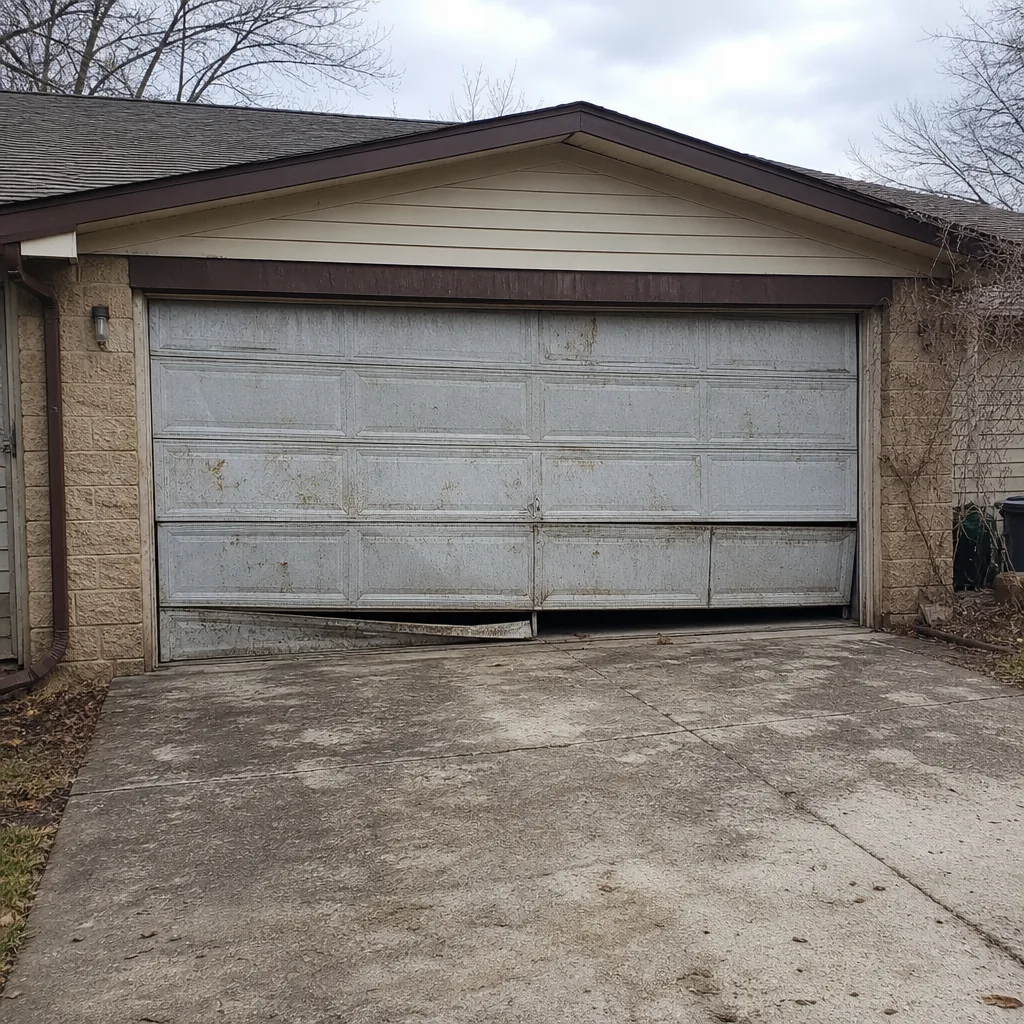 Before
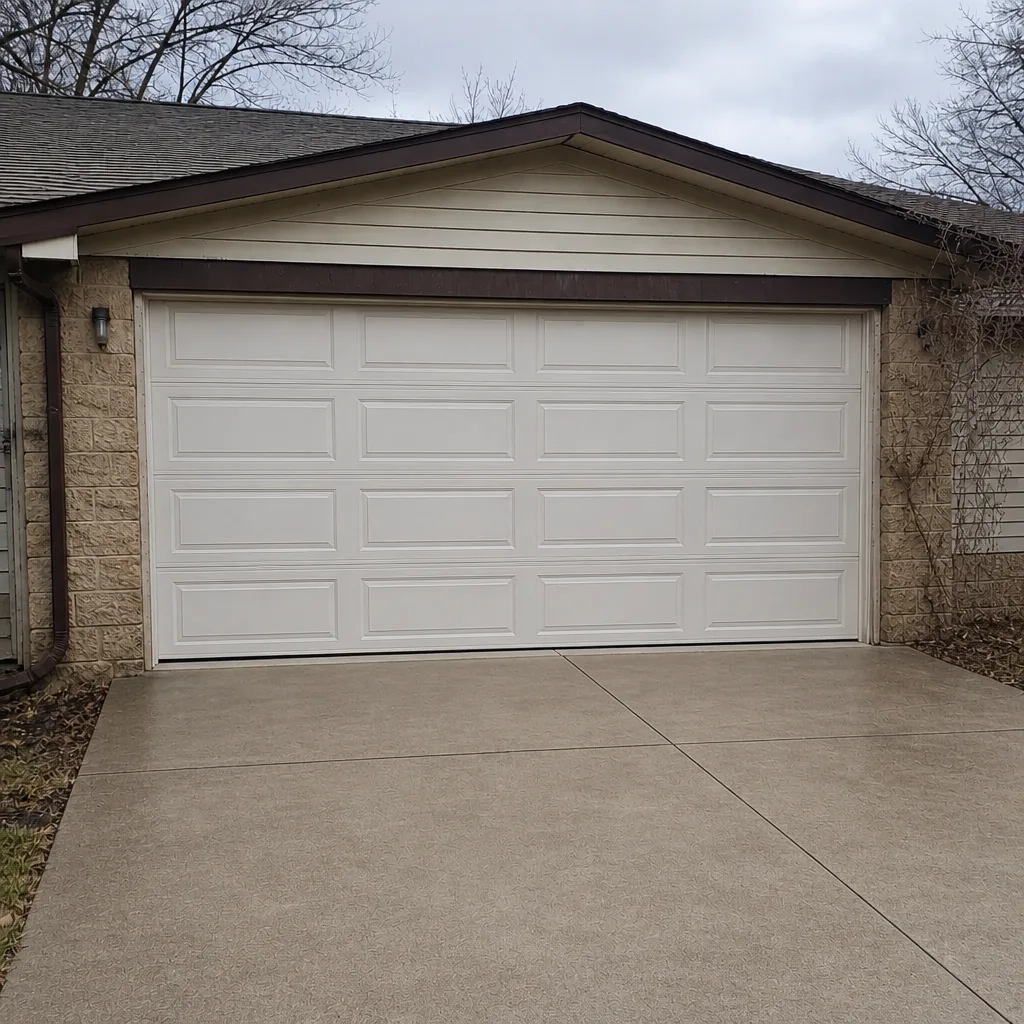 After
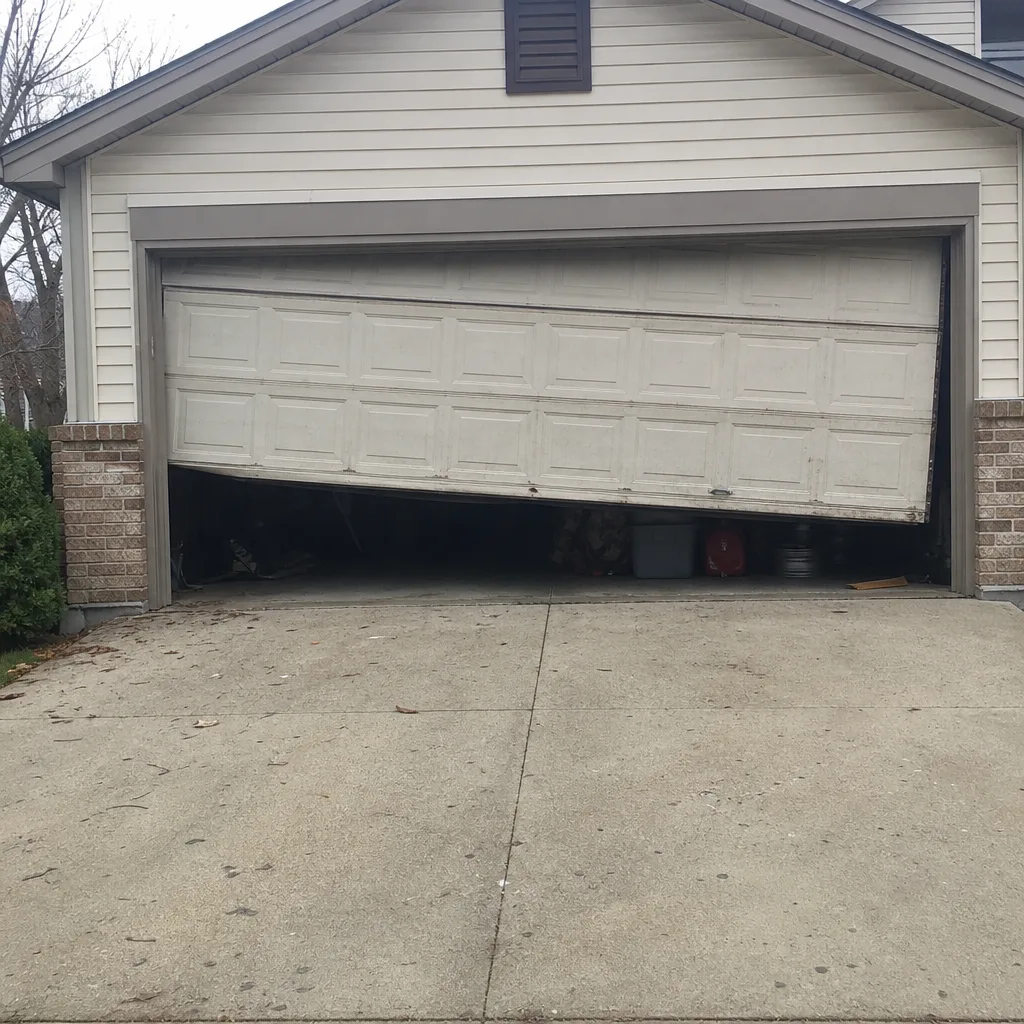 Before
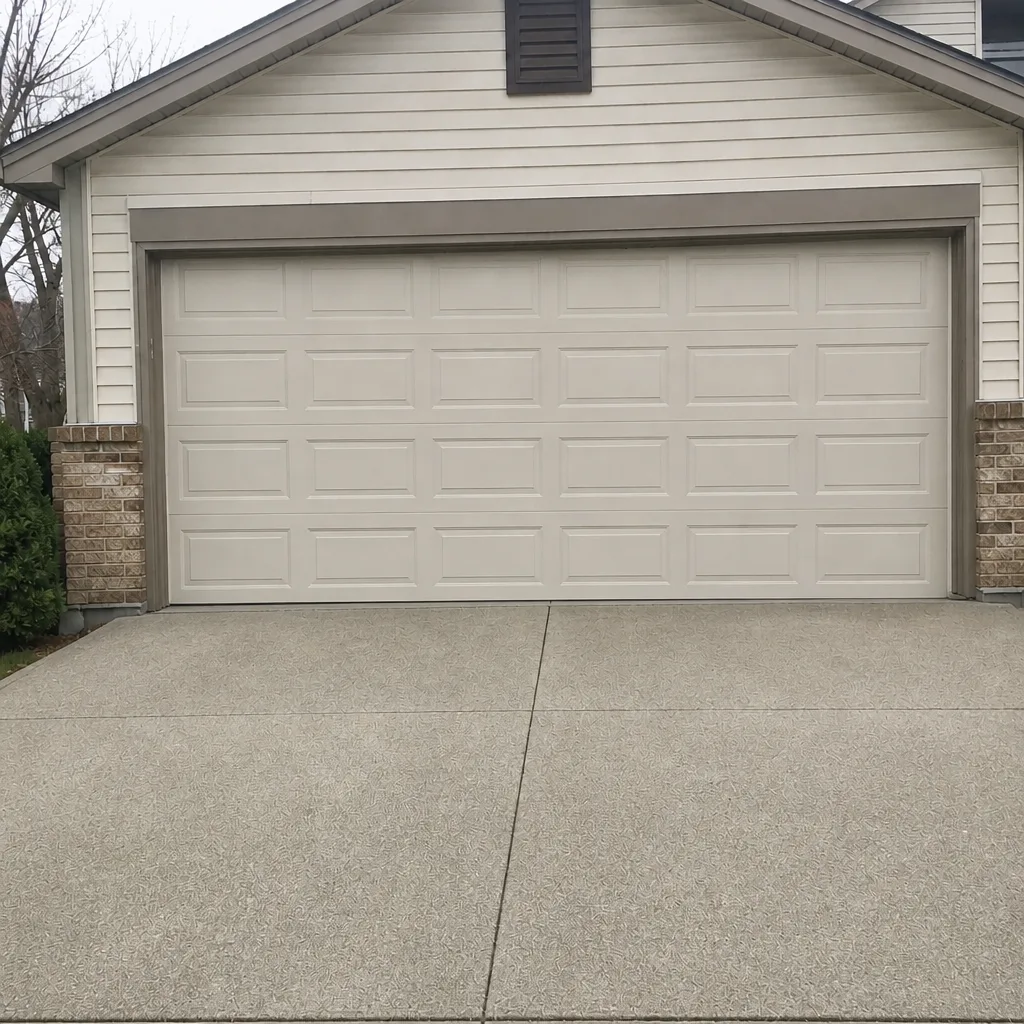 After
When to Call a Professional
Some things you can sort out yourself. Others carry real risk, and knowing which is which is the point of this guide. Call a professional if you notice any of the following:
- A spring pops, twangs, or the door feels suddenly heavy to lift.
- A cable looks frayed, broken, or jumps its drum groove.
- The door moves asymmetrically, binds at the same spot, or drops faster than it should.
- The balance test shows more than 8 inches of drift.
- An opener fails intermittently, overheat-shuts down, or shows a fault code you can’t clear.
- The door reverses on its own, or the safety sensors trip inconsistently.
- A panel is cracked at a hinge seam, or a track is visibly kinked.
Springs and cables in particular are high-tension components. Adjusted or replaced without the right tools, they can cause serious injury. That’s not a job to take on. Greenwood Garage Door Repair Co offers free estimates in Greenwood – call (855) 773-4548 and we’ll book an inspection. Our technicians have up to 12 years of experience, and we work on LiftMaster, Chamberlain, Genie, Clopay, Amarr, Wayne Dalton, Craftsman, and Raynor doors and openers, so we’re familiar with your brand before we arrive.
Frequently Asked Questions
The first warning sign is usually a new or unusual sound: a pop, twang, grind, or click as the door travels. Sounds appear before movement changes and before anything breaks, so they’re the earliest signal you’ll get. If a new sound sticks around for more than a week, have the door inspected.
A single torsion spring repair in Greenwood typically costs somewhere in the $180 to $340 range. If both springs are replaced as a matched pair (which most doors with two springs need), expect roughly twice the single-spring price. A written estimate sets the final price, and that price is agreed before any work starts. Call (855) 773-4548 for an exact quote – estimates are free.
Some warning signs are safe DIY territory: tightening a loose hinge, replacing a bottom seal, cleaning the safety sensors, or lubricating the rollers. Spring and cable issues are not. A torsion spring holds enough tension to cause serious injury when it releases unexpectedly, and a frayed cable can snap. If the warning sign is in either of those components, call a professional.
Cold weather contracts steel cables and stiffens the grease in rollers, which makes existing wear more obvious. In Greenwood’s freeze-thaw climate, a cable that’s near its stretch limit will lag visibly in January even though it behaved in November. Cold amplifies real problems. It doesn’t create them, so treat cold-weather symptoms as warnings, not quirks.
No. We quote the work in writing before we start, and the quote is what you pay. If we find something during a closer look that changes the scope, we come back to you with a revised quote before doing the extra work. You’re never handed a bigger invoice than the one you agreed to. The written quote is the price.
The local professionals we connect you with are licensed and insured as their state requires. If you’d like to see credentials before the work starts, ask when you book. Call (855) 773-4548 for a free estimate and we’ll answer any credential questions up front.
The Bottom Line
Garage doors tell you what’s coming. Sounds shift before parts fail, movement drifts before springs break, and openers hesitate before they give out. The homeowners who catch those signs early pay for adjustments. The ones who wait pay for spring and cable repairs, opener replacements, and sometimes the whole door. Run the five-minute monthly check, take the balance test seriously, and treat a persistent new sound as a reason to call, not a reason to turn up the radio. If you spot any of the warning signs in this guide, Greenwood Garage Door Repair Co is ready to take a look, whether it’s a spring, opener, panel, or full door.
Contact Us
Call (855) 773-4548 for a free estimate on any garage door issue in Greenwood. We’ll book an inspection, explain what we find in plain language, and quote the work in writing before anything starts.
Written by the team at Greenwood Garage Door Repair Co.