Last updated November 21, 2026
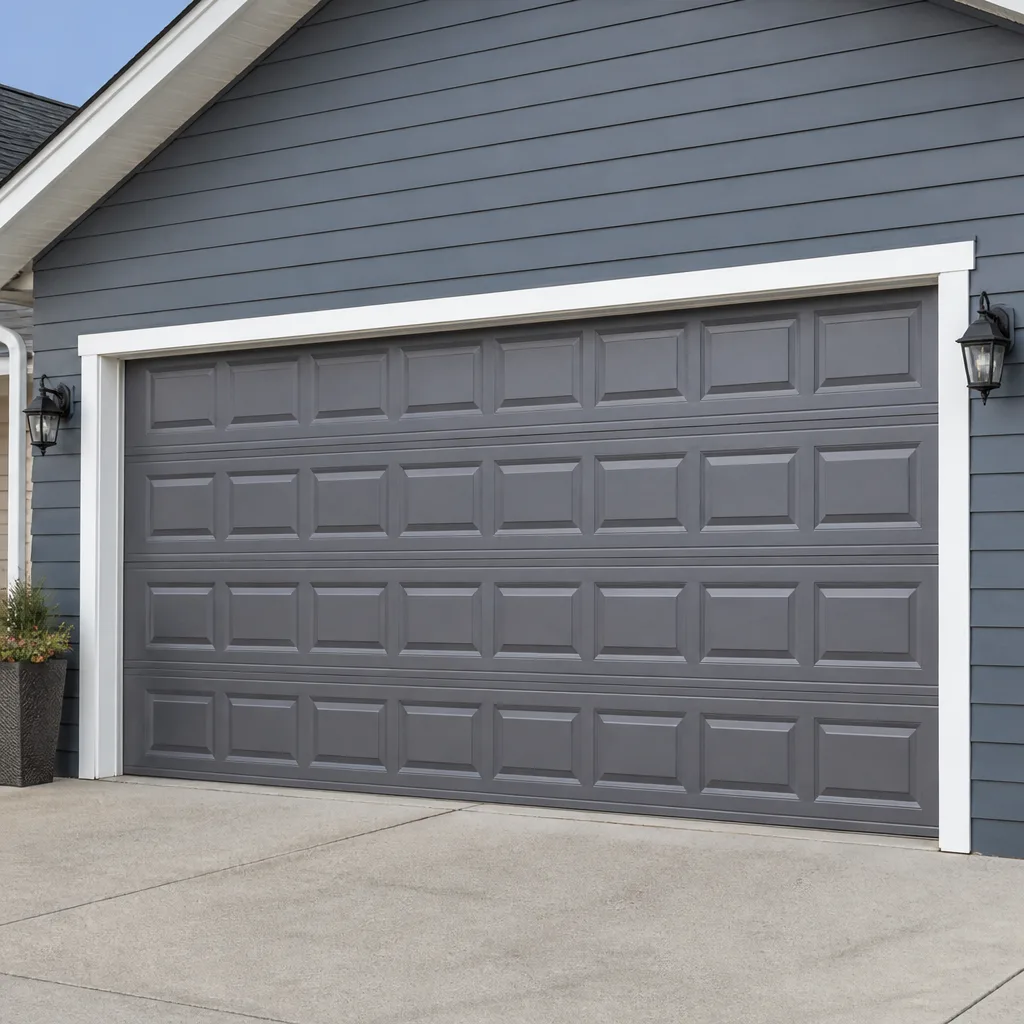 Raised-panel steel
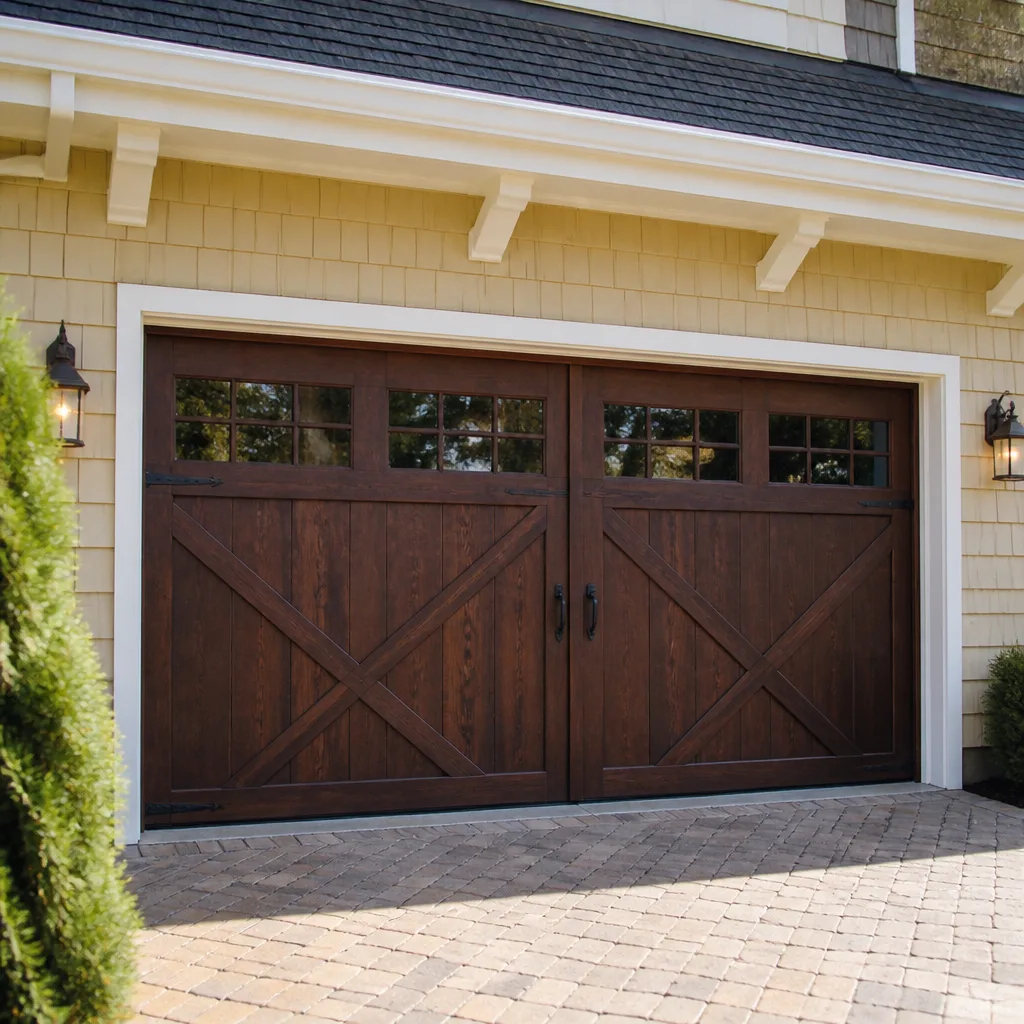 Carriage house
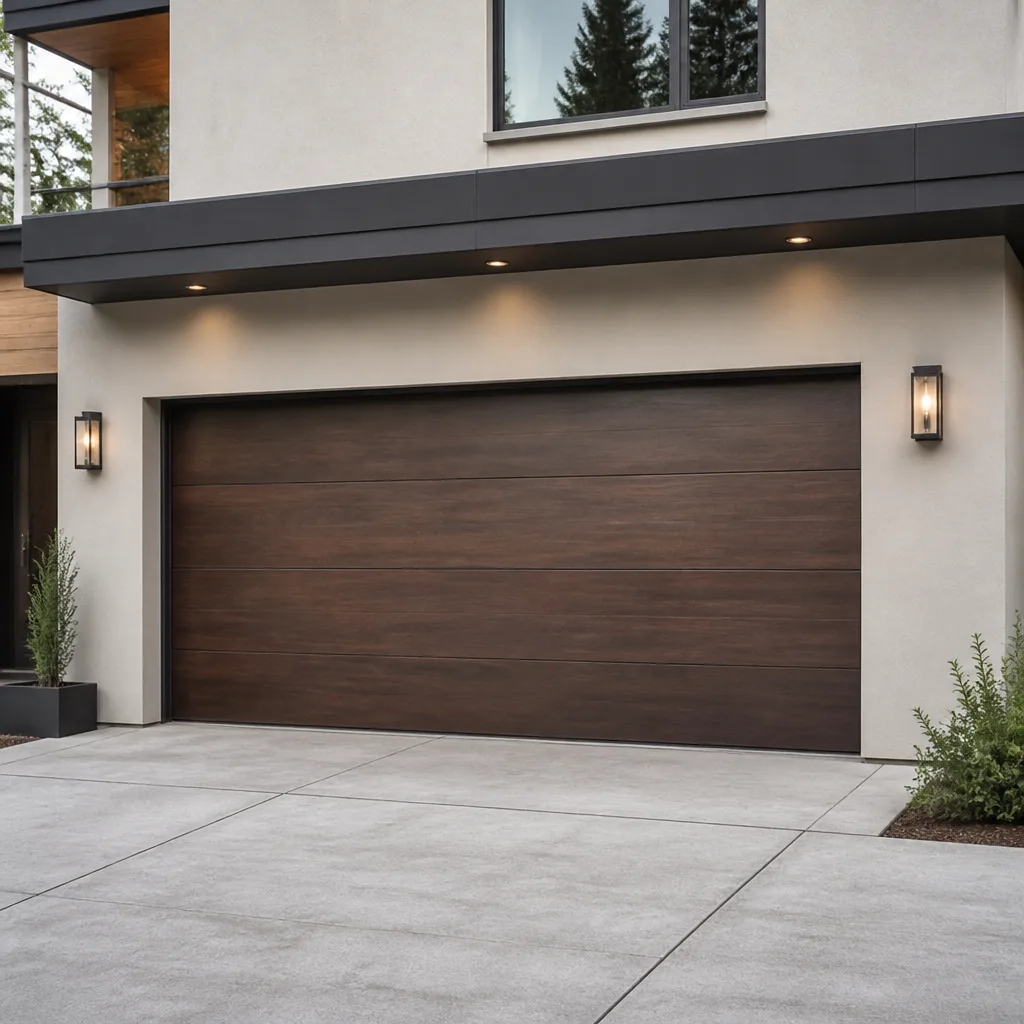 Modern flush
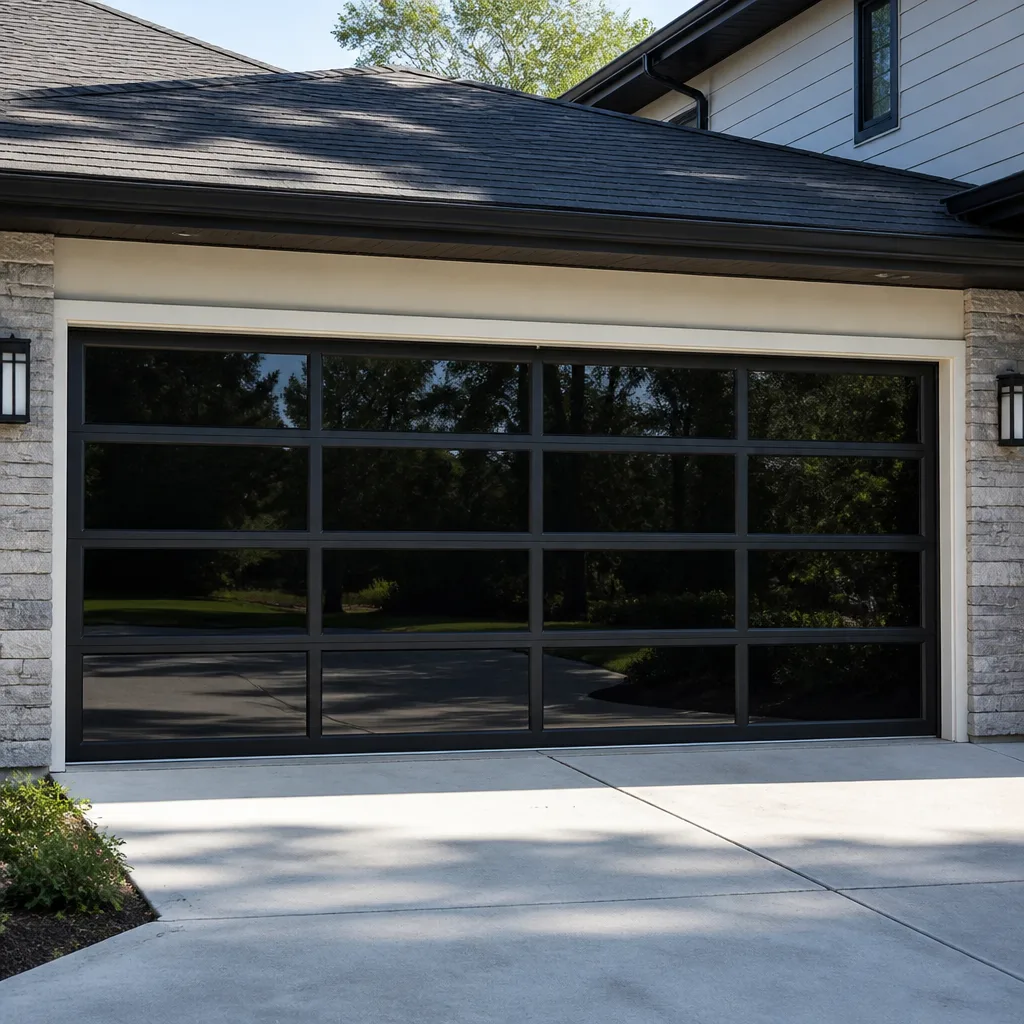 Full-view glass
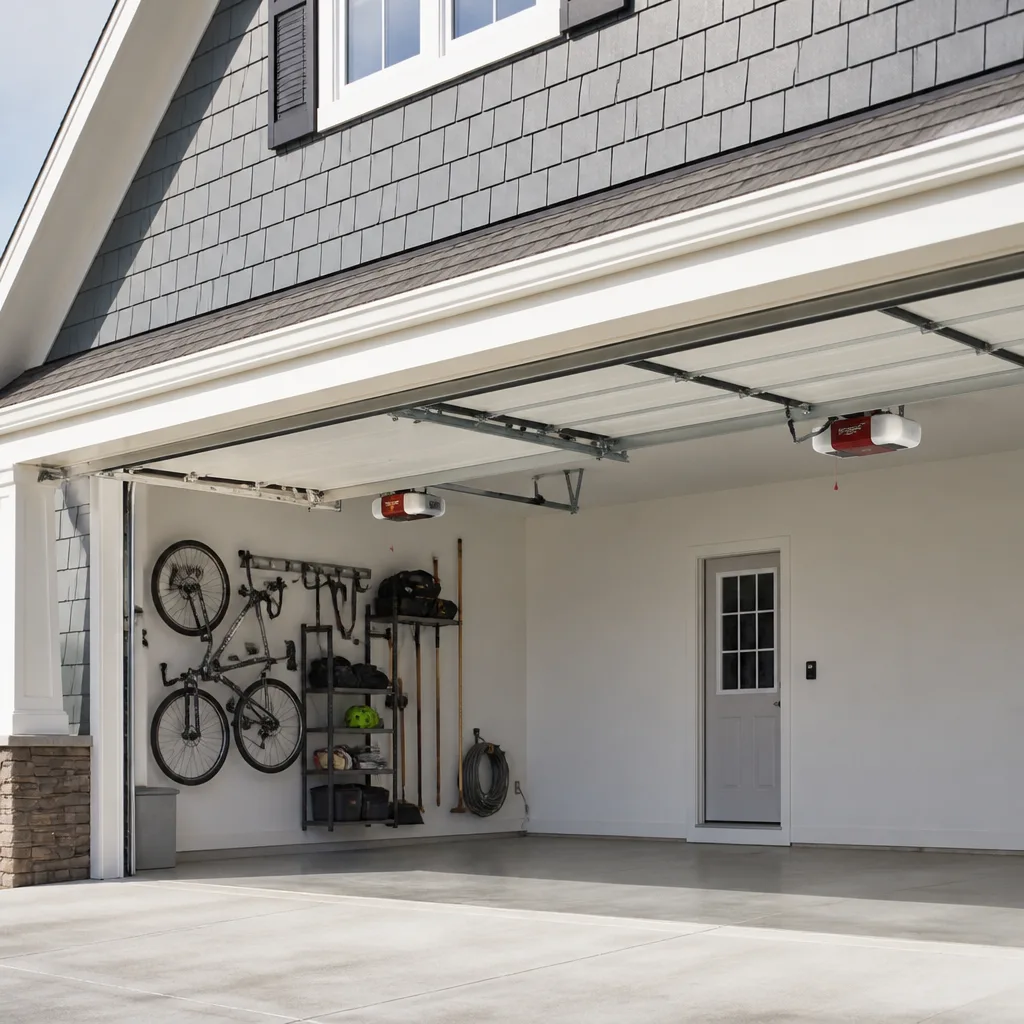 LiftMaster openers
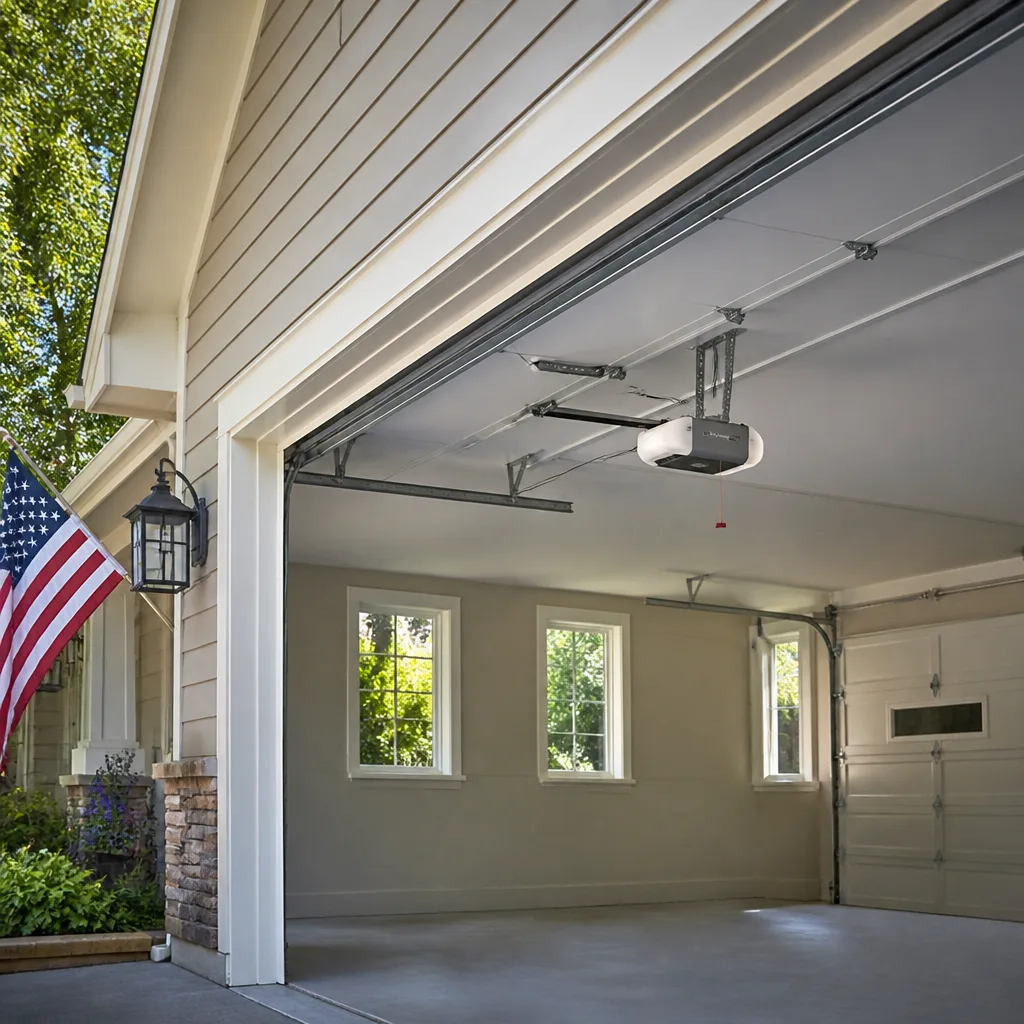 Chamberlain openers
Full 25-point door and opener safety check with every visit - springs, cables, rollers, tracks, and your LiftMaster or Chamberlain opener included
You get a price before we start. It does not change when the pro arrives.
Get your free estimateSeasonal Garage Door Care for Greenwood: Year-Round Homeowner’s Guide
October in Greenwood is when most of the garage door calls that happen in January are created. The door that grinds and stalls on a 15-degree morning was usually showing symptoms back in the 45-degree nights two months earlier, when nothing seemed urgent and nobody looked. That’s the thing about garage doors in central Indiana: they don’t fail in the season everyone worries about. They fail because of it, months after the damage started. Cold nights and hot, humid summers all leave marks on the springs, seals, tracks and hardware of a Greenwood garage door, and the work you put in at the two transition points, fall and spring, is what keeps the door opening smoothly the rest of the year. This guide walks through both, month by month.
Quick Answer
Seasonal garage door care in Greenwood comes down to two high-leverage transition points: the fall temperature drop and the spring thaw. Before the first freeze, lubricate moving parts, test the balance and safety reverse, and inspect bottom weatherstripping so cold weather doesn’t find a weak spot. After a Johnson County winter, check for rust under snow cover, clear the tracks, and re-test the opener. Summer and winter are maintenance windows for tightening and adjusting, not the seasons that do the damage.
Styles & brands we work with
- Raised-panel steel
- Carriage house
- Modern flush
- Full-view glass
- LiftMaster openers
- Chamberlain openers
Table of Contents
- Why Fall Is the Highest-Leverage Season in Greenwood
- Your Pre-Freeze Fall Checklist
- Freeze-Thaw Cycles and Your Bottom Seal
- The Spring Thaw Checklist
- Summer Humidity: Wood Panels and Opener Sensitivity
- Winter as a Maintenance Window
- A Month-by-Month Calendar for Greenwood
- Common Mistakes to Avoid
- When to Call a Professional
Why Fall Is the Highest-Leverage Season in Greenwood
Most homeowners think of winter as the season that breaks a garage door. In practice, it’s the fall transition that sets the door up to fail or hold. Greenwood sits in a climate where autumn temperatures drop steadily from the 70s into the 30s over a couple of months, and that steady decline is a slow test. Metal contracts, seals harden, and grease that flowed freely in September turns stiff and thick by November. A door with a worn roller, a slightly out-of-balance spring or a stiff hinge doesn’t announce itself in October. It waits until the first real cold snap, when the extra strain finally wins.
The reason fall matters more than winter in this part of Indiana is timing. Winter weather arrives before most people have touched their door since summer, and once the mercury drops, problems compound. A bottom seal that’s already cracking gets frozen into a hard strip that no longer meets the floor, letting cold air and moisture in. A hinge that needed a shot of lubricant seizes. Catch these in the fall and you’re doing a few minutes of work on a 50-degree afternoon. Miss them and you’re booking a technician in January with a car trapped inside.
Fall is also the last comfortable window to notice the small stuff. In Greenwood, once the leaves are down and the nights drop into the 40s, we start hearing about doors that sound different than they did in August. That’s the cue. If your door sounds louder, slower, or rougher in October than it did in June, the door is telling you exactly what it’ll fail at in the cold.
Your Pre-Freeze Fall Checklist
Complete these tasks before the first hard freeze, ideally by mid-October in Greenwood. It’s the single most useful block of maintenance you’ll do all year.
- Lubricate every moving part. Rollers, hinges, tracks and the opener’s rail should get a garage-door-specific lubricant, not WD-40, which attracts dust. A 5-minute pass keeps parts supple as the temperature falls.
- Test the balance. Disconnect the opener with the manual release, lift the door to about halfway, and let go. A balanced door stays put. One that slams down or drifts up has a spring problem.
- Test the safety reverse. Place a roll of paper towels under the closing door and watch whether it reverses on contact. Modern openers from LiftMaster, Chamberlain and Genie rely on this; a door that ignores the obstruction is a hazard.
- Inspect the bottom weatherstripping. Look for cracks, gaps, or a flap that no longer flexes. A stiff seal won’t press against a cold concrete floor.
- Tighten the hardware. Brackets, hinges and track bolts loosen over the summer. Snug them, don’t overtighten, and use the fall pass to catch anything rattling.
- Clear the tracks. Wipe out grit and leaves so nothing binds when the door gets heavier in the cold.
- Look at the springs. A visible gap in a torsion spring or a stretched, gappy extension spring is a warning. Don’t touch the springs themselves. Note them for a professional.
Springs are the one part of this list you should never work on yourself. High-tension springs and the cables they drive are under extreme load and can cause serious injury if handled without the right tools and training. If your fall inspection turns up a balance problem, that’s a job for a trained technician, and our garage door spring repair service exists for exactly that.
Freeze-Thaw Cycles and Your Bottom Seal
Greenwood’s freeze-thaw pattern is different from a northern climate that simply stays cold all winter. Instead of one long freeze, our winters swing between days above 32 degrees and nights below it, often for weeks at a time. That cycle is what wears out a bottom seal fastest, and it’s a distinction many generic garage door guides miss. A door in a place that freezes and stays frozen mostly has to handle cold. A door in Johnson County has to handle repeated melt-and-refreeze.
Here’s what that means in practice. Snow and ice melt during the day, run under the door’s bottom edge, and then freeze into a hard ridge overnight. When the door comes down in the morning, the rubber seal hits that ridge and either gets compressed permanently or tears. Over a season, the seal loses its ability to press flat against the floor, and you get a gap. That gap is where cold air, meltwater and sometimes a mouse find their way in.
- Inspect monthly in winter: Look at the bottom edge of your door for flat spots, cracking or a flap that no longer touches the floor evenly.
- Clear standing water: If meltwater pools at the threshold, sweep or push it off before the evening freeze.
- Check for a frozen strip: A door that’s suddenly hard to open on a cold morning may be glued to the floor by ice, not broken.
- Watch the aluminum retainer: The metal channel holding the seal can bend or rust when it’s repeatedly frozen and thawed.
When a bottom seal is past saving, replacing it is a small job that pays off all winter. It’s also cheap insurance against a bigger problem, since a door that fights a frozen lip every morning puts extra strain on the opener and springs.
The Spring Thaw Checklist
The spring thaw is the other transition point that matters, and it’s the one most Greenwood homeowners skip because nothing feels broken. After a Johnson County winter, your door has been through months of freeze-thaw, road salt tracked in on the car, and snow sitting against the lower panels. What you’re looking for now is the damage the winter left behind.
- Hunt for rust spots. Hardware that sat under snow cover rusts quietly. Look at the hinges, roller brackets, track edges and the bottom corner of each panel. Rust left alone spreads and stiffens the parts it touches.
- Test the balance again. Winter stress can leave a spring weaker than it was in the fall. Run the same halfway test you did before the freeze.
- Re-check the safety reverse. Clean the opener’s photo-eye lenses of grime and road spray, then test the reverse function.
- Wash the door. Road salt and grit collect on the lower panels. A rinse with a garden hose keeps it from settling into seams, especially on steel and wood-look doors.
- Clear the tracks of grit. Winter debris collects in the track channels. Wipe them down so the rollers run clean.
- Inspect the spring and cables. Watch for frayed cables, gaps in torsion springs, or sagging extension springs. Flag anything suspicious for a professional.
- Listen first, then open. Before you run the door, listen for scraping or popping. If something sounds wrong, stop and investigate.
If your post-winter inspection turns up grinding, popping, or a door that binds, that usually points to worn rollers or a failing opener, not the door itself. Our garage door opener repair handles both the mechanical and the opener side, on the popular brands and on the doors they lift.
Summer Humidity: Wood Panels and Opener Sensitivity
Summer in Greenwood is a maintenance window, not a threat season, but the humidity of July and August does its own quiet work. Indiana summers run muggy, and a garage that’s not air-conditioned becomes a humid box through the worst of it. That humidity affects two things: wood door panels and the opener’s sensitivity.
Wood door panels. A wood or wood-look door swells as it takes on moisture in the humid months, then shrinks when fall dries the air. That swelling and shrinking can cause sticking panels, cracked paint at the joints, and small gaps where water gets in next winter. Keep the finish intact and watch for panels that rub or drag in July and August. Paint or seal the door on a dry day in early summer so it’s protected through the wet stretch. If you’re weighing a replacement against constant re-finishing, a steel door from Amarr or Wayne Dalton holds up better in humid summers, and our garage door repair team can tell you whether a wood door is worth restoring.
Opener sensitivity. Humidity makes a door slightly heavier and can make the track and rollers drag. Modern openers from LiftMaster, Chamberlain, Genie and Craftsman have a sensitivity adjustment, and a door that reverses for no clear reason in August often just needs that setting calibrated to the season. A door that reverses on the way down when nothing is in the way is a symptom, not a flaw. Fix the drag and the sensitivity settles back.
Winter as a Maintenance Window
Winter gets a bad reputation in garage door care, but in Greenwood it’s really a maintenance window rather than an active threat season. The damage was done in fall if you skipped it, and spring will reveal it. Your job in winter is to keep things from getting worse and to catch the few issues that only show up in the cold.
- Keep the tracks clear of ice and grit. A clean track runs smoother, and grit under a roller gets worse in cold.
- Watch for the frozen door. If the door won’t lift, it may be frozen to the floor. Never force it. Free it gently and check the seal.
- Listen for new sounds. Grinding, popping or a slow door in winter means something is struggling in the cold. That’s the cue to call, not to wait.
- Re-lubricate if it’s dry. Cold makes lubricant stiff. A light winter pass on hinges and rollers keeps them moving.
- Clear snow from the base and threshold. Don’t let drifts sit against the door, where meltwater freezes and stresses the seal.
If a door fails in winter, it’s not a 9-to-5 problem. A broken door leaves a car trapped or a home unsecured, and that’s what our emergency service is for. If a door fails on a Saturday, call and we’ll book you for Sunday. In winter, when things do break, you want the door back up and running fast, and a garage door that sticks due to the cold is often a quick fix for a trained technician.
A Month-by-Month Calendar for Greenwood
Here’s how the service calendar breaks down for a Greenwood door. Greenwood’s first hard frost typically arrives in mid-to-late October and its last frost comes in mid-April, so the two transition windows to protect are early fall and early spring. Storm season runs through the spring and early summer, which is when to check the door for wind and impact damage.
- March: Post-winter walkaround. Look for rust, test the balance, check the bottom seal after freeze-thaw. Clear grit from the tracks.
- April: The spring thaw window. Rinse road salt and grit off the lower panels, re-test the safety reverse, clear the photo-eye lenses. Last frost behind you, this is the big spring reset.
- May: Storm season check. Look for bent panels, twisted tracks, or a door that no longer sits square after a windy stretch.
- June: Beat the humidity. Touch up or seal the finish on a wood or wood-look door before the wet months. Check opener sensitivity as the air gets heavier.
- July-August: The humid stretch. Watch for dragging panels and sticking. Re-lubricate moving parts and keep the opener calibrated.
- September: The pre-freeze prep starts. This is your last easy month to lubricate, tighten and inspect before the cold.
- October: The critical fall window. Complete the full pre-freeze checklist. This is the month that prevents January calls.
- November-February: Winter maintenance. Keep tracks clear, watch for frozen seals, listen for new sounds. Protect the door from the freeze-thaw cycle.
If all this feels like a lot to track, the two dates that matter most are the fall pre-freeze window and the spring thaw window. Get those two right and the rest of the year mostly keeps itself.
Common Mistakes to Avoid
- Waiting until the door breaks. In Greenwood, that means January, when every repair is happening at once. Do the fall checklist and you’ll usually get ahead of it.
- Ignoring the bottom seal. It’s the cheapest part to replace and the one freeze-thaw damages fastest. A gap there costs you heat and invites moisture and pests.
- Skipping the post-winter rust check. Rust under snow cover is easy to miss until it stiffens a hinge. A spring walkaround catches it early.
- Using the wrong lubricant. WD-40 or cooking oil attract dust and gum up in the cold. Use a garage-door-specific lubricant on hinges and rollers.
- Adjusting the opener sensitivity to hide a drag. If the door reverses for no reason in summer, the fix is the drag, not a setting tweak that masks it.
- Working on the springs yourself. High-tension springs and cables are the single most dangerous part of the door. Leave them to a trained professional with the right tools.
- Assuming a slow door is “just cold.” A door that fights every morning in winter is telling you something’s out of balance or the seal is frozen. Listen to it.
When to Call a Professional
Some jobs are a homeowner’s to handle: lubricating, tightening, testing and cleaning. Others aren’t. Call a professional if you find a gap in a torsion spring, a frayed cable, a door that won’t stay balanced, or a door that reverses for no reason. Call if the bottom seal has torn and won’t stay flat, if a panel is bent or a track is twisted after a storm, or if the opener runs but the door doesn’t move. And call for anything involving springs or cables, because that’s the one part of the door that can genuinely hurt you. Greenwood Garage Door Repair Co offers free estimates in Greenwood. Call (855) 773-4548 and we’ll get the door back up and running. Our technicians have up to 12 years of experience, and they work on the eight brands most Greenwood doors carry, from a LiftMaster opener to a Raynor door.
See the difference
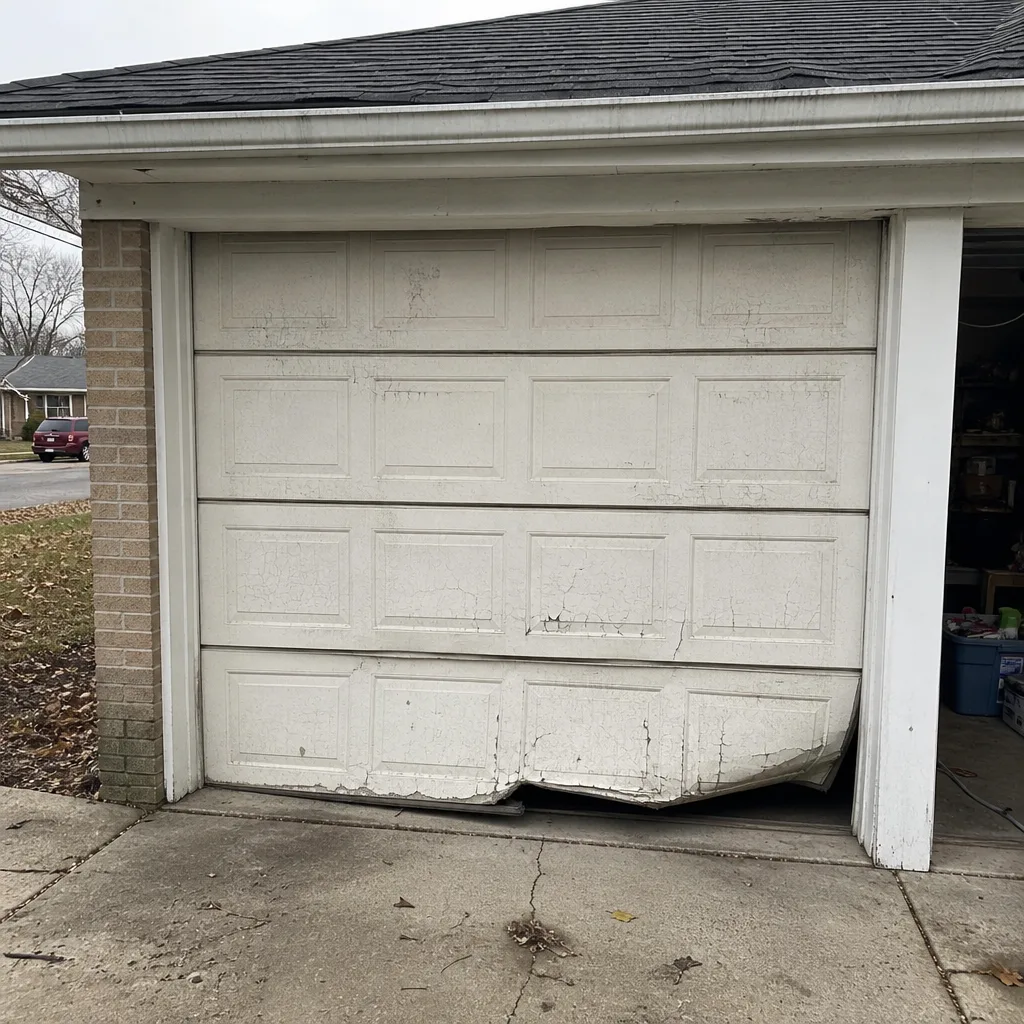 Before
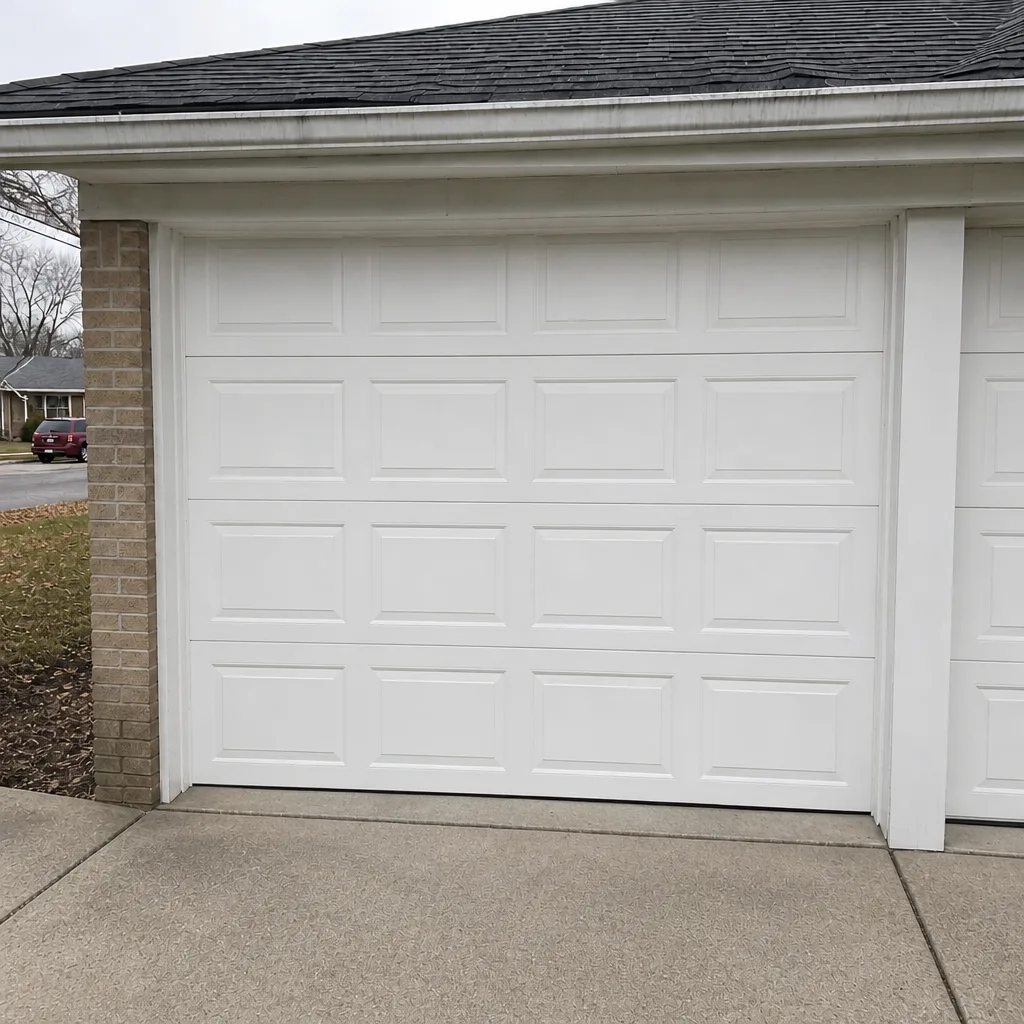 After
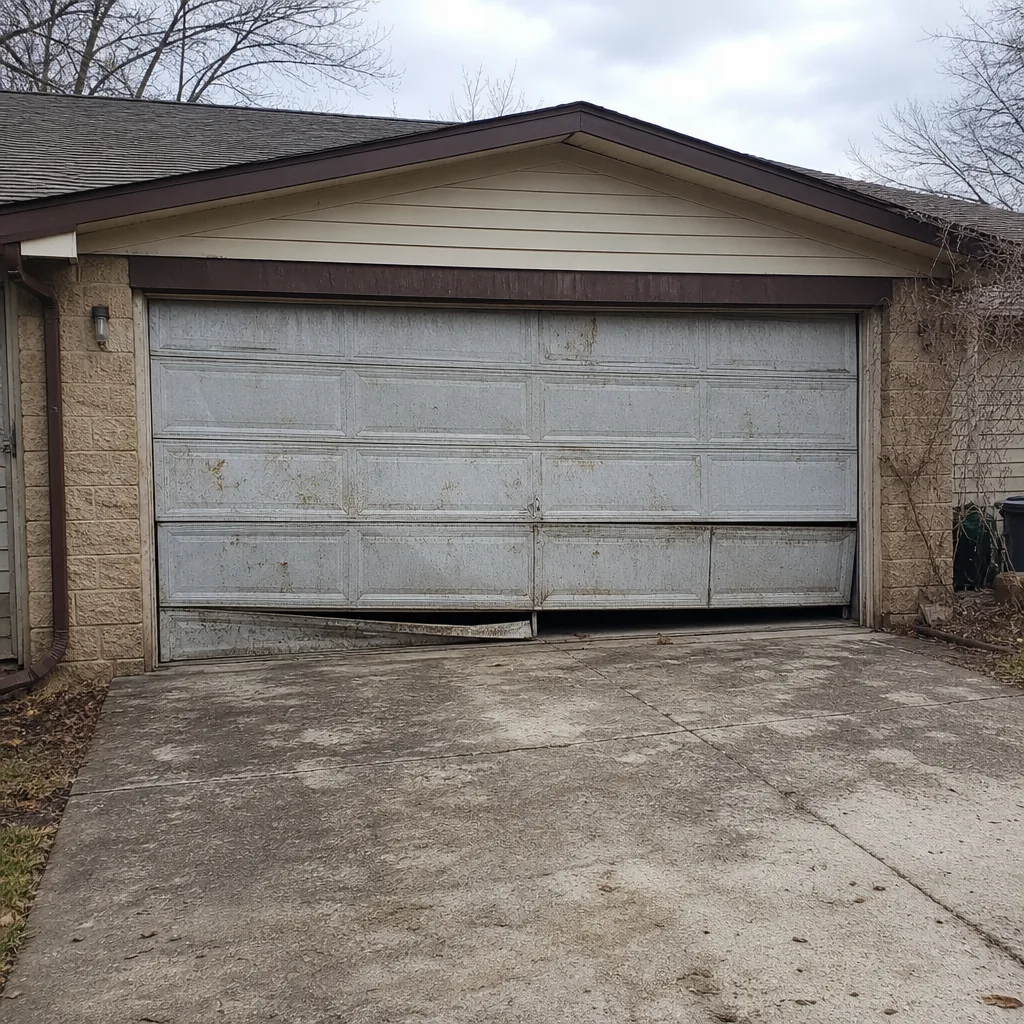 Before
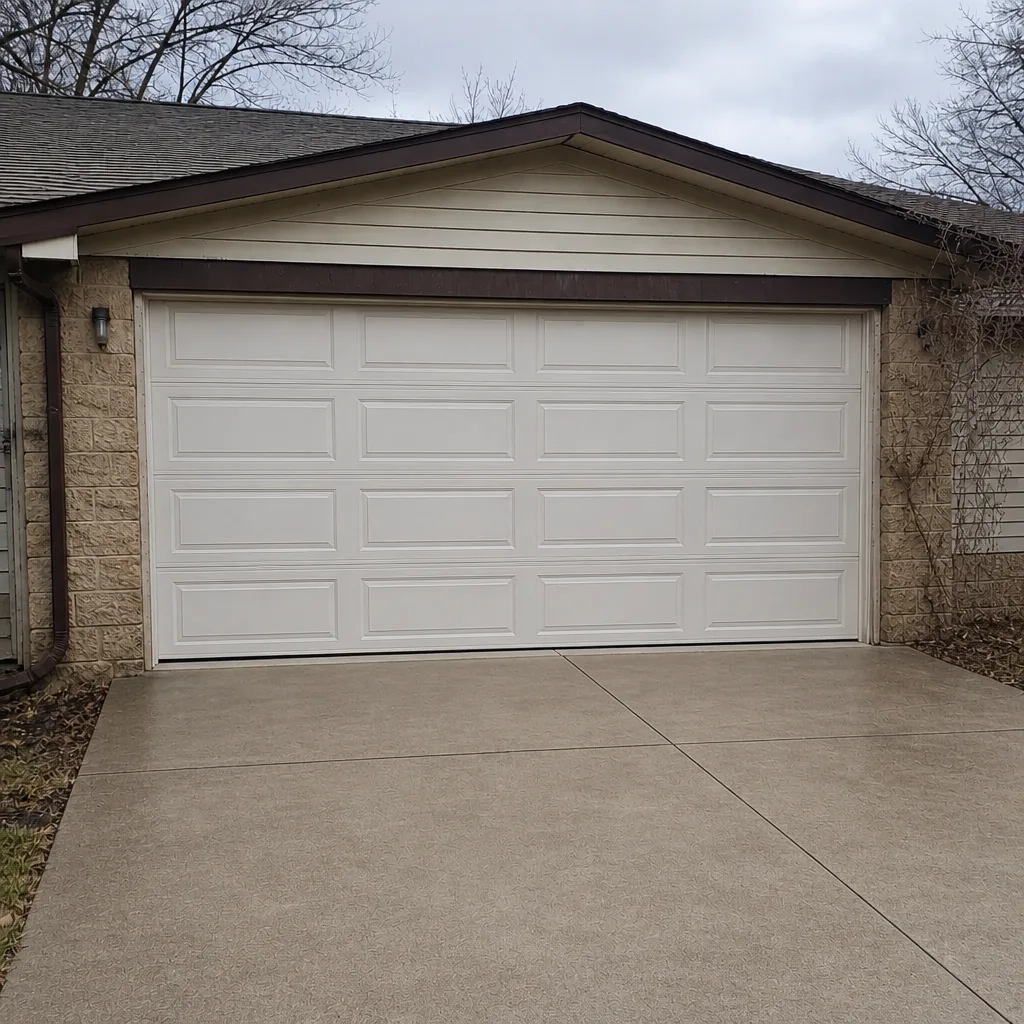 After
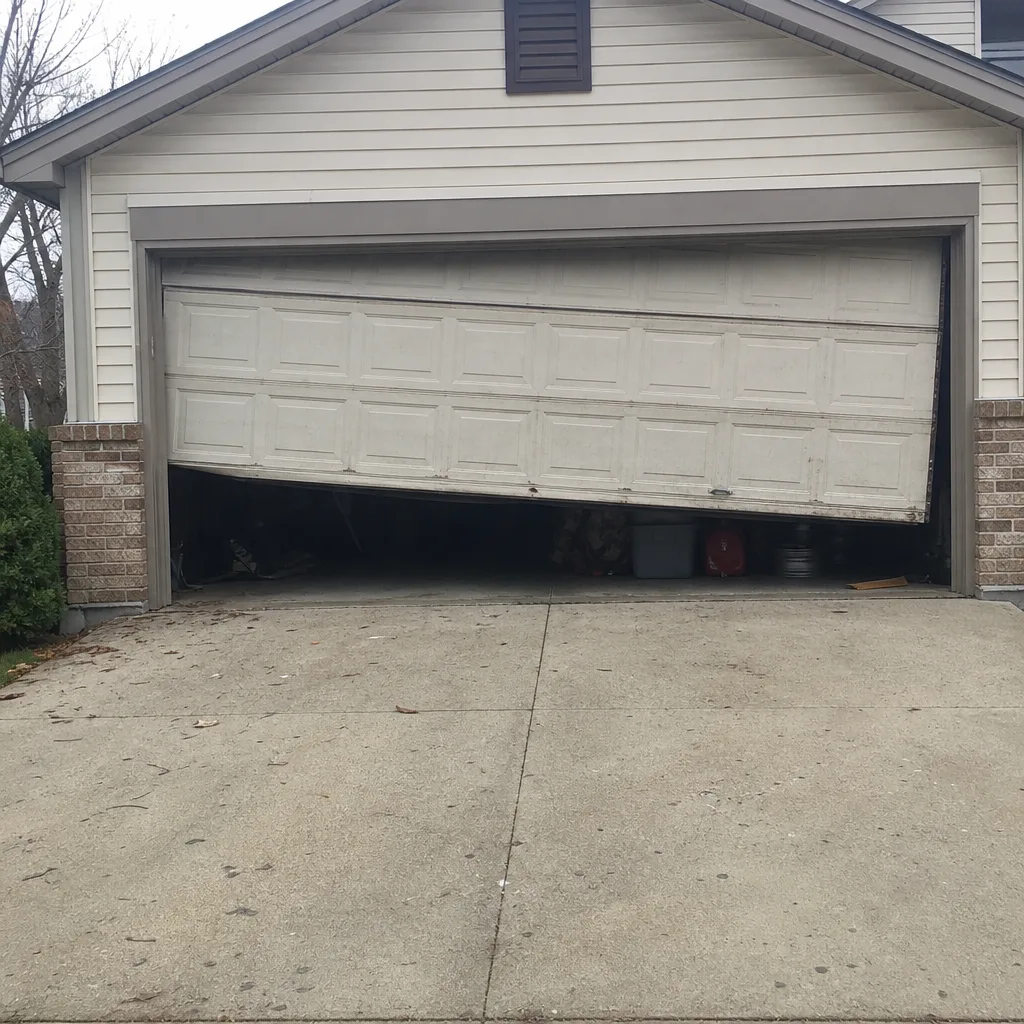 Before
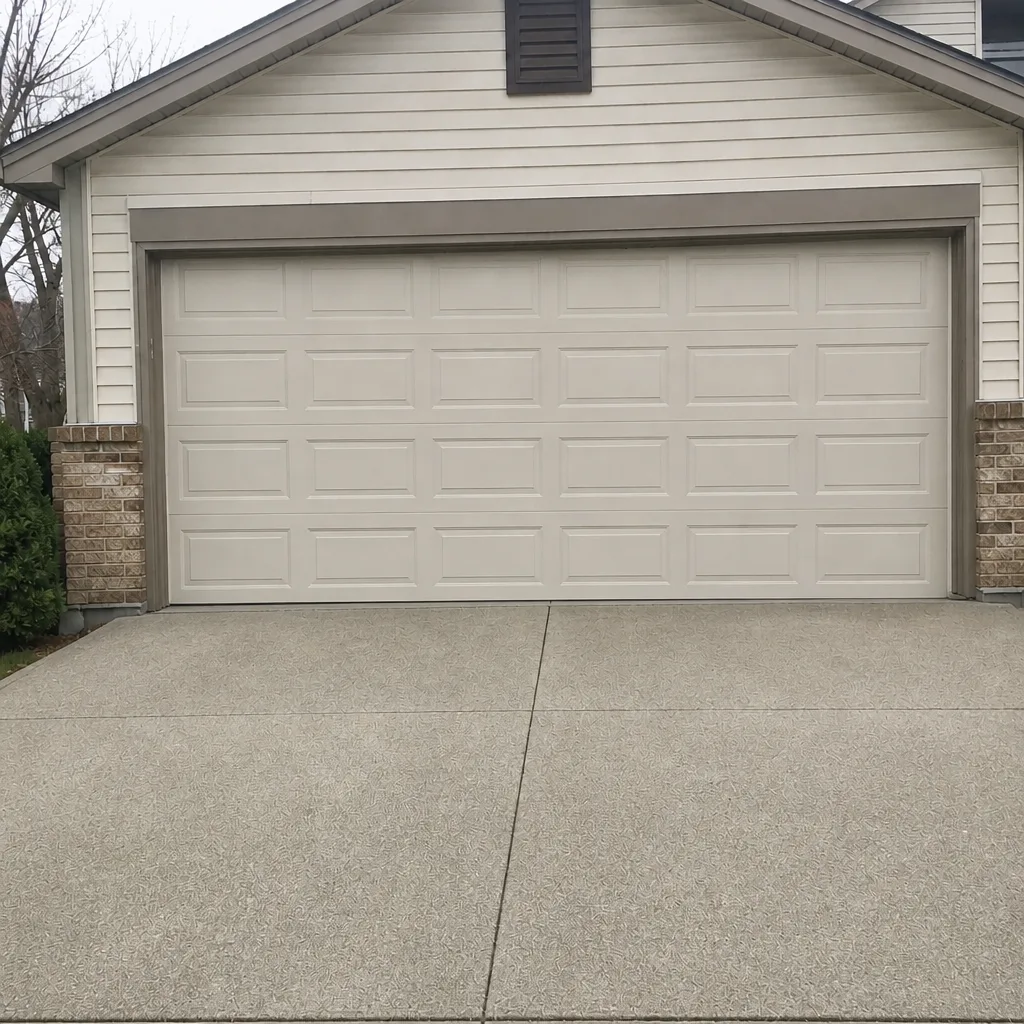 After
Frequently Asked Questions
Fall is the most important season, specifically the weeks before the first hard freeze in mid-to-late October. That’s the window when lubricating, tightening, testing the balance and checking the bottom seal prevents the cold-weather failures that show up in January. Miss it and winter turns small issues into big ones.
Freeze-thaw cycles are harder on the bottom seal than a steady cold would be, because snow and ice melt under the door during the day and freeze into a ridge overnight. Repeated compression against that ridge wears out the seal and leaves a gap. Inspect the bottom edge monthly in winter and clear standing meltwater before it refreezes.
Yes, it’s one of the first things to do in spring. Hardware that sat under snow cover rusts quietly on hinges, roller brackets and track edges. Catching rust early before it spreads keeps parts moving freely and prevents the stiffness that leads to bigger repairs.
It does, mostly on wood and wood-look doors. Indiana’s humid July and August cause panels to swell, which can make doors stick and crack finish at the joints. Steel doors from Amarr or Wayne Dalton handle humidity better. Humidity also makes a door slightly heavier, which can affect opener sensitivity.
You can test the opener and clean its photo-eye lenses, but leave sensitivity adjustments and anything spring-related to a professional. A high-tension spring or cable is under extreme load and can cause serious injury. That’s why our garage door spring repair is a dedicated service.
Call for help rather than forcing it. A winter failure leaves your car trapped and your home unsecured, and it usually involves a spring, cable or frozen seal you shouldn’t handle yourself. If it fails on a Saturday, we’re closed that day, so call and we’ll book you for Sunday.
The Bottom Line
The two transitions are what matter. Greenwood’s fall temperature drop is the highest-leverage window of the year, and the spring thaw is where winter’s damage shows up. Get the pre-freeze checklist done in October, run the spring walkaround in April, and the summer and winter maintenance passes keep the rest of the year running. Our technicians have up to 12 years of experience, and whether it’s a spring, opener, panel or full door, we handle it without a second call. Greenwood Garage Door Repair Co works on LiftMaster, Chamberlain, Genie, Clopay, Amarr, Wayne Dalton, Craftsman and Raynor, so the brand on your door is never a problem.
Call (855) 773-4548 for a free estimate in Greenwood. When you’re ready to schedule, we’ll quote the price and agree on it before any work starts, so there are no surprises. That’s the whole standard: get the door back up and running, for the price you were shown.
Written by the team at Greenwood Garage Door Repair Co.